
Introduction to Fish with White Wine Sauce
Cooking at home can be one of the most rewarding experiences, especially when you whip up a dish as vibrant and flavorful as fish with white wine sauce. But why should you choose homemade food over fast food? For starters, preparing meals at home allows you to control every ingredient, ensuring freshness and quality. You can tailor recipes to fit your dietary needs and preferences, enabling you to choose healthier options with wholesome ingredients.
Moreover, cooking can be an enjoyable and creative outlet. Want to impress a friend or family member? A beautifully plated dish will do just that! You'll find that homemade meals like this one can create cherished moments and enhance relationships at the dining table.
One standout aspect of this dish is its versatility. Whether you're cooking snapper or another white fish, the silky sauce adds an elegant touch. Not to mention, the French technique of finishing with cold butter—known as monter au beurre—transforms a simple sauce into something truly luxurious.
So, are you ready to delve into the art of creating a stunning dish that not only tastes great but also brings people together? Let's get started!
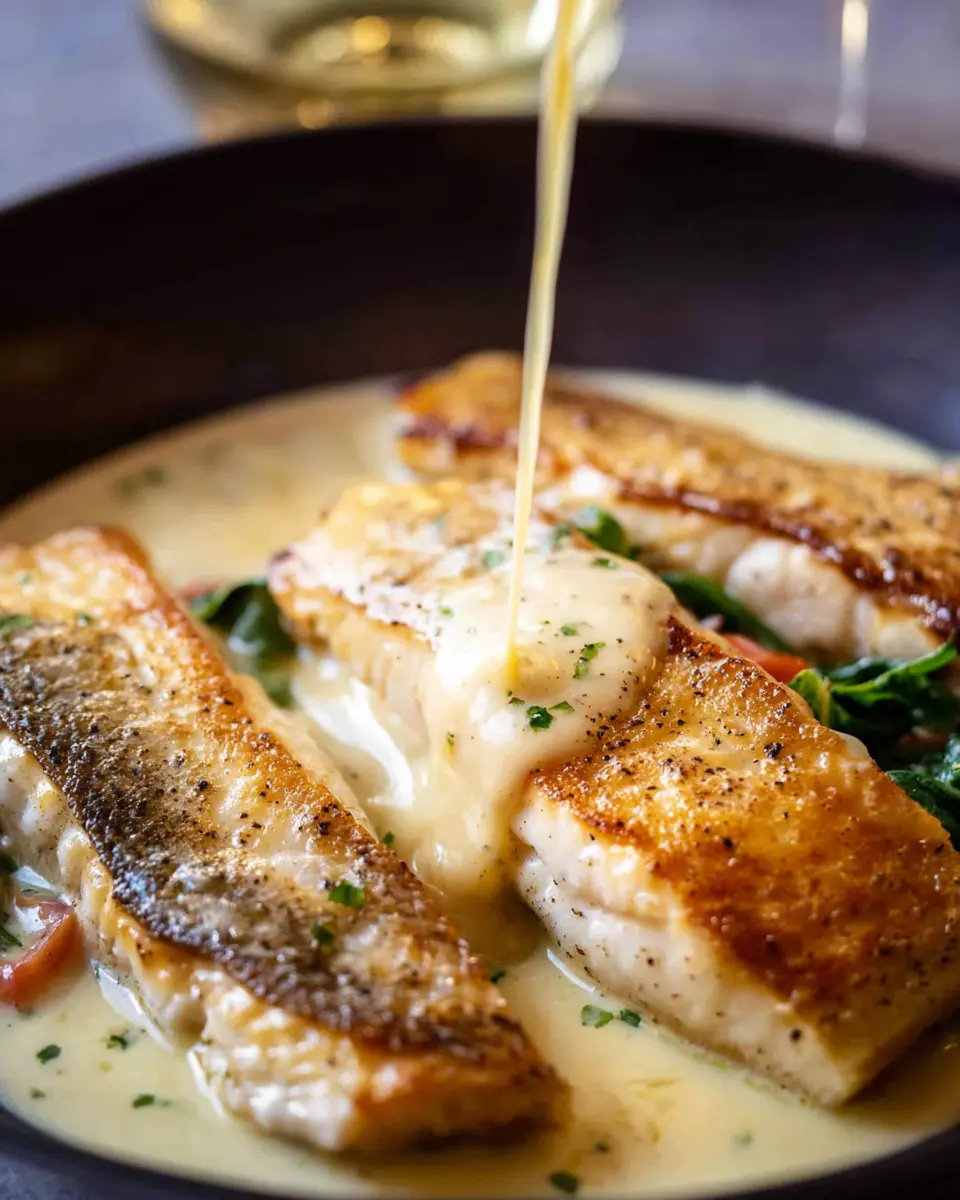
Ingredients for Fish with White Wine Sauce
Cooking a delightful fish with white wine sauce revolves around selecting the right ingredients that bring out rich flavors. Let’s dive into those essential components.
Essential ingredients for the fish
For the base of your dish, you'll need:
- White fish fillets: Opt for 4 x 150g (5oz) skinless and boneless fillets. Snapper works beautifully here.
- Salt and pepper: A simple seasoning blend to enhance the fish's natural taste.
- Extra virgin olive oil: This helps achieve that perfect golden sear when pan-frying your fish.
Key ingredients for the white wine sauce
The sauce is where the magic happens! Gather these key ingredients:
- Finely chopped eschalot: Just one small eschalot (~1.5 tbsp) adds a lovely sweetness.
- Dry white wine: 1 ¼ cups of Chardonnay is recommended for its balance and flavor.
- Lemon juice and white wine vinegar: These add brightness, make sure to measure out 1 teaspoon each.
- Heavy cream: 1 cup to create that luscious, rich consistency.
- Cold unsalted butter: 30g (or 2 tbsp) cut into small cubes gives the sauce its glossy finish.
With these ingredients in hand, you're well on your way to creating a stunning and savory dish! For more tips on choosing fish, check out sources like Seafood Watch for sustainable options.
Preparing Fish with White Wine Sauce
Cooking fish with a delightful white wine sauce is easier than you might think. It's the perfect midweek meal that can impress your friends or simply make a cozy night in feel special. Let’s dive into the essential steps to prepare this satisfying dish!
Prepare the fish fillets
Start by selecting your favorite white fish—the kind that pan-fries beautifully, like snapper, sole, or even halibut. Ensure the fillets are skinless and boneless to make for easy cooking and eating.
- Pat them dry: Use a paper towel to gently pat the fillets dry; this helps achieve a nice sear when cooking.
- Slice to even sizes: If the fillets vary in thickness, consider cutting them into even portions. This ensures that they cook uniformly.
Cleaning your fish could also be a fun moment; check out these sustainable fish choices for a more eco-friendly dinner.
Season the fish
Seasoning is crucial to elevate the flavors in your fish with wine sauce. Use simple yet effective ingredients:
- ½ teaspoon salt
- ¼ teaspoon pepper
Sprinkle the salt and pepper evenly across the fillets. Mess-free, even seasoning can make a big difference in taste.
Cook the fish to perfection
Now, it’s time to get cooking! Here’s how to achieve that perfect golden sear:
- Heat your pan: In a large non-stick skillet, add 2 tablespoons of extra virgin olive oil and heat it over medium-high.
- Sear: Place the fillets in the pan, avoiding crowding them for even cooking. Cook for about 2 minutes on each side or until they reach an internal temperature of 131°F (55°C). This timing may vary based on the thickness of your fillets.
Keeping your fish warm in a low-temperature oven (around 120°F or 50°C) while preparing the sauce can enhance the serving experience.
Make the white wine sauce
Crafting a white wine sauce involves some magic—melding flavors into a creamy, glossy finish:
- Create your base: Remove excess oil from the pan, leaving those delicious bits (fond) behind. Add finely chopped eschalots, about 1 ¼ cups of a dry alternative (like stock or broth), 1 teaspoon lemon juice, and a pinch of sugar for balance.
- Simmer and thicken: Allow the mixture to simmer and reduce by half, then stir in 1 cup of thickened cream and let it bubble for a couple of minutes. The goal is to create a rich and flavorful sauce.
For an extra smooth finish, consider straining the sauce to remove the eschalots.
Combine the fish and sauce
Finally, it’s time to bring everything together:
- Gently reintroduce your fish to the pan. Spoon some of that luscious sauce over the top and let it rest for about 30 seconds.
- Serve: Plate the fish and drizzle additional sauce on top. You can add a sprinkle of freshly chopped parsley or chives for a pop of color and flavor.
Pair your fish with white wine sauce with a light salad or a side of pea puree for a visually stunning presentation. Enjoy your culinary masterpiece—dinner is served!
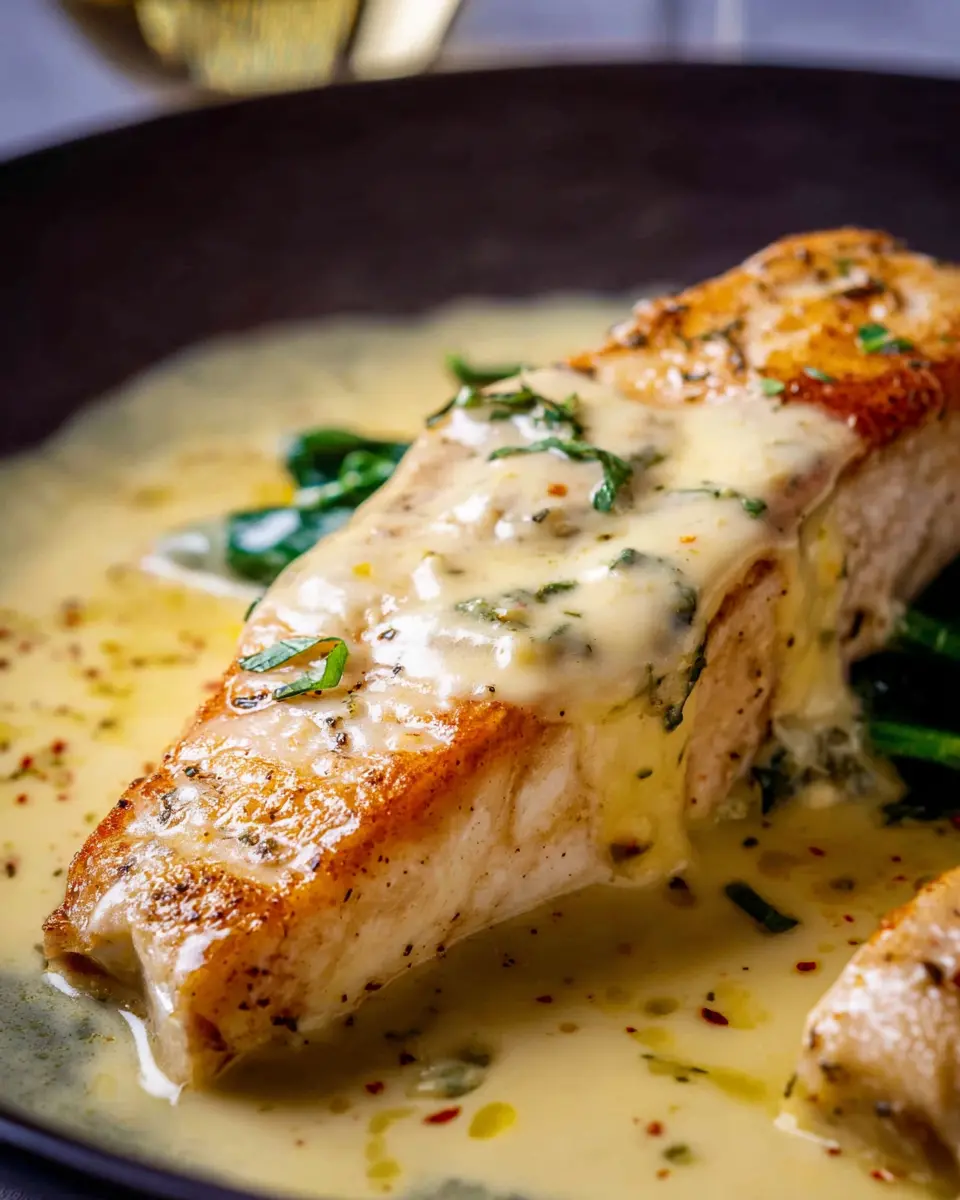
Variations on Fish with White Wine Sauce
Alternative fish varieties
When crafting your fish with white wine sauce, consider diverging from the classic snapper. Other great options include cod, halibut, or even tilapia, which all offer mild flavors that complement the sauce beautifully. If you're feeling adventurous, salmon or trout can provide a richer taste, bringing their unique characteristics to your dish.
Adding extra flavors to the sauce
Elevate your white wine sauce with a personal twist. A splash of fresh orange juice or a dash of Dijon mustard can add zing. You might also try incorporating fresh herbs like tarragon or basil for a fragrant lift. Adding sautéed mushrooms or capers can introduce earthy and briny notes, enhancing the overall flavor profile. Explore what resonates with your palate and transform this dish into something uniquely yours! For more inspiration on flavors, check out Bon Appétit’s tips for pairing.
Cooking Tips for Fish with White Wine Sauce
Perfecting the Sauce and Seasoning
To elevate your fish with white wine sauce, focus on creating a harmonious balance in flavors. Start by using a quality stock substitute if you're opting out of traditional alternatives. As the sauce reduces, tasting is key—don't hesitate to adjust salt, acidity, and sweetness to suit your palate. A pinch of sugar can really enhance the overall complexity. For a smooth, glossy finish, remember to calmly incorporate cold butter cubes at the end—a classic French trick that makes all the difference!
Keeping the Fish Warm and Juicy
While working on your sauce, ensure your fish remains succulent. Preheat your oven to a low temperature (about 50°C/120°F) to keep cooked fish warm without drying it out. Resting your fish on a rack allows air circulation, preventing sogginess. Don't skip seasoning before cooking; this enhances the overall flavor profile, and you'll enjoy a perfectly seasoned fish with white wine sauce every time.
For more culinary tips, check out this article on perfecting sauces or explore how to choose the right fish.
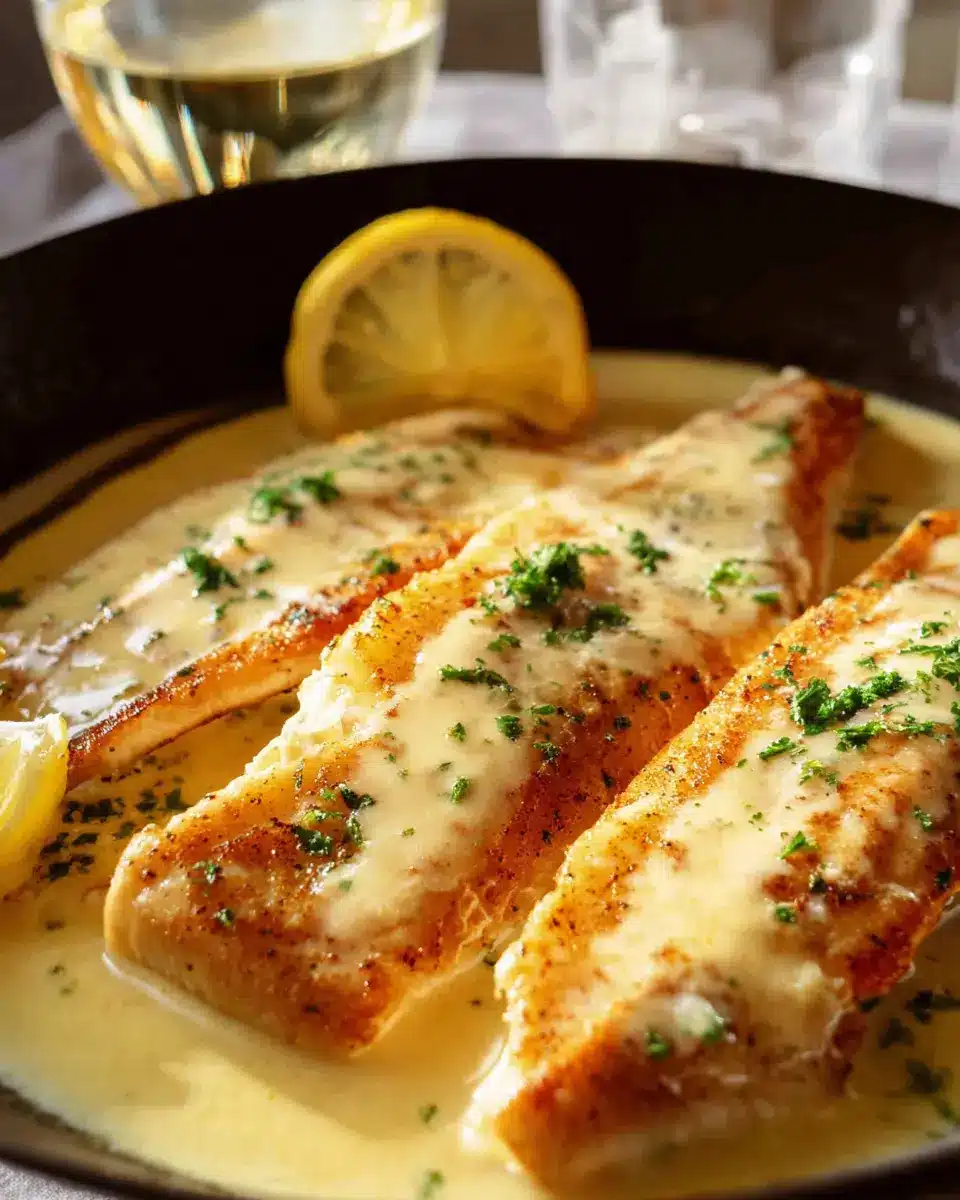
Serving suggestions for Fish with White Wine Sauce
Ideal side dishes to complement the dish
When serving fish with white wine sauce, consider pairing it with light and fresh sides. Here are some ideas:
- Garlic mashed potatoes: Creamy and fragrant, these provide a comforting balance to the sauce.
- Steamed asparagus: Bright green and slightly crunchy, it enhances the dish’s visual appeal while adding a pop of flavor.
- Wild rice pilaf: Nutty and hearty, this offers a lovely texture contrast.
- Sautéed spinach: A quick and vibrant green contrast that complements the richness of the sauce.
Presentation tips for a restaurant-style meal
To elevate your presentation, think about color and structure. For that restaurant-quality look:
- Use white plates: They make the dish's colors stand out, especially the glossy white wine sauce.
- Garnish judiciously: A sprinkle of finely chopped parsley or chives adds a touch of elegance.
- Create height: Layer your sides, placing the fish slightly off-center on a bed of greens or on a mound of grains.
Small details can transform a simple dish into an elegant masterpiece! Check out this article for more tips on food styling.
Time Breakdown for Fish with White Wine Sauce
Preparation Time
Getting your ingredients ready takes about 5 minutes. This includes seasoning the fish and gathering everything you need for a delightful cooking experience.
Cooking Time
The cooking process is quick and efficient—only 12 minutes. Perfect for busy professionals looking to whip up a gourmet meal in no time!
Total Time
All told, you’ll spend about 17 minutes making this stunning fish with white wine sauce. A truly remarkable dinner can be on your table faster than you think!
This quick timing not only makes it feasible for a weeknight dinner but also allows you to explore more delicious recipes. Looking for tips on how to expertly cook fish? Check out resources from America's Test Kitchen for more culinary insights!
Nutritional Facts for Fish with White Wine Sauce
When enjoying Fish with White Wine Sauce, it's essential to know what you're indulging in. This delightful dish packs some nutritional benefits that make it both satisfying and smart for your meal planning.
Calories
Each serving of this fish dish contains approximately 533 calories, making it a hearty option for a main course.
Protein
With around 32 grams of protein per serving, this recipe is a great way to support your muscle health while keeping your meals fulfilling.
Fat Content
The dish has a total fat content of about 38 grams, which includes healthy fats from olive oil and cream. This balance is key for a rounded diet, contributing to satiety and flavor without overwhelming your macros.
Enjoy this elegant meal knowing it brings not just luxury to your plate but also wholesome nutrition to your day! For more details on healthy eating, check out resources from Healthline or Mayo Clinic.
FAQs about Fish with White Wine Sauce
What type of fish works best for this recipe?
When it comes to crafting the perfect fish with white wine sauce, the right fish can make all the difference. Ideal choices include white fish fillets like snapper, cod, or halibut. These fish have a mild flavor and a tender texture that pairs beautifully with the creamy sauce. Additionally, salmon and trout can also shine in this recipe, offering a richer taste. However, avoid dryer options such as swordfish or oily varieties like mackerel that might overwhelm the dish's delicate flavors.
How can I adjust the recipe for dietary restrictions?
Catering to dietary needs is simple! If you're looking for a non-dairy version, swap heavy cream for coconut cream or a cashew cream alternative. For gluten-free eaters, this recipe is naturally gluten-free since it doesn’t use any flour. Always double-check labels on any packaged ingredients just to be certain!
Can I make the sauce in advance?
Absolutely! You can prepare the white wine sauce ahead of time. Just refrigerate it after cooking, and when you’re ready to serve, gently reheat it over low heat, stirring in a bit more cold butter to restore its glossy finish. This sauce can elevate your fish with white wine sauce experience for a stress-free cooking night. Remember, fresh is best, so try to enjoy it within a couple of days!
Conclusion on Fish with White Wine Sauce
In conclusion, fish with white wine sauce is a delightful dish that combines elegance and simplicity, perfect for any occasion. With a few quality ingredients and easy techniques, you can impress friends and family alike. Give it a try tonight, and enjoy a restaurant-quality meal at home!
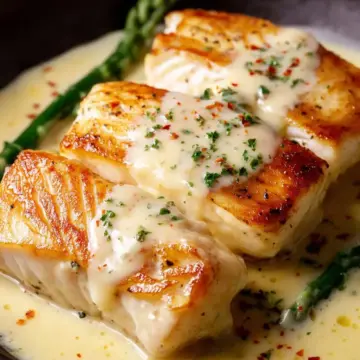
Fish with White Wine Sauce
Equipment
- large non-stick skillet
- oven
- sieve
Ingredients
Pan seared fish
- 4 fillets white fish skinless, boneless (I used snapper)
- ½ teaspoon salt
- ¼ teaspoon pepper
- 2 tablespoon extra virgin olive oil
White wine sauce
- 1 small eshalot finely chopped (∼1 ½ tbs)
- 1 ¼ cups white wine dry, not sweet or too woody (chardonnay is especially good)
- 1 teaspoon lemon juice (sub white wine vinegar)
- 1 teaspoon white wine vinegar (sub more lemon)
- ⅛ teaspoon salt
- 1 pinch pepper
- 1 pinch white sugar
- 1 cup thickened/heavy cream
- 30 g unsalted butter cold, cut into 1cm / ⅓" cubes
Garnish, optional
- 2 teaspoon finely chopped parsley (or chives)
Instructions
Cook fish
- Preheat oven to 50°C/120°F. Place rack over a tray.
- Season fish: Sprinkle fish with salt and pepper.
- Cook fish: Heat oil in a large non-stick skillet over medium-high heat. Cook fish in two batches until golden, 2 minutes on each side, or until the internal temperature is 55°C/131°F.
- Keep warm: Place fish on rack, and place in the oven to keep warm.
White wine sauce
- Discard oil: Tip out excess oil from the skillet but don't wipe clean.
- Reduce wine: Add eschalot, white wine, lemon juice, vinegar, salt, pepper, sugar to the pan. Bring to simmer and reduce by half (∼3 minutes).
- Simmer cream: Add cream, simmer for 2 minutes.
- Finish with COLD butter: Turn heat to low and add cold butter one cube at a time while mixing with wooden spoon. Once all the butter is incorporated, the sauce should be thickened, satiny and beautifully glossy.
- Optional strain: Strain the sauce through a sieve (discard eschalot), then pour it back into the pan.
- Fish in sauce: Place fish back into the pan in the sauce. Spoon some sauce over the fish, leave for 30 seconds.
- Serve: Transfer fish onto serving plates. Spoon sauce over each fish, sprinkled with parsley if desired.


Leave a Reply