
Introduction to Salad Recipes
Living a healthy lifestyle doesn’t mean sacrificing flavor. That’s where homemade salad recipes come in—they're a game changer in your kitchen. Not only can you tailor them to your taste preferences, but you'll also know exactly what ingredients are going into your meals.
Why Homemade Salad Recipes Are a Game Changer
In a world dominated by takeout and pre-packaged foods, making your own salads allows you to creatively combine fresh produce, grains, and proteins. Imagine whipping up a vibrant quinoa salad or a crisp mixed greens bowl topped with your favorite dressing. Studies show that incorporating more vegetables into your diet can lead to better health outcomes, including lower risks of chronic diseases (source: Harvard Health).
Moreover, crafting your own salads is often much more cost-effective than buying them pre-made. For busy professionals, it's a delicious yet quick way to elevate your meals. You can batch your ingredients over the weekend, creating grab-and-go options for a busy week.
Ready to jump in? Let’s explore some salad recipes that not only taste great but also nourish your body and spirit. Feel free to mix and match ingredients based on what's in season or what you have at home!
Ingredients for Fresh Salad Recipes
Essential ingredients for a great salad
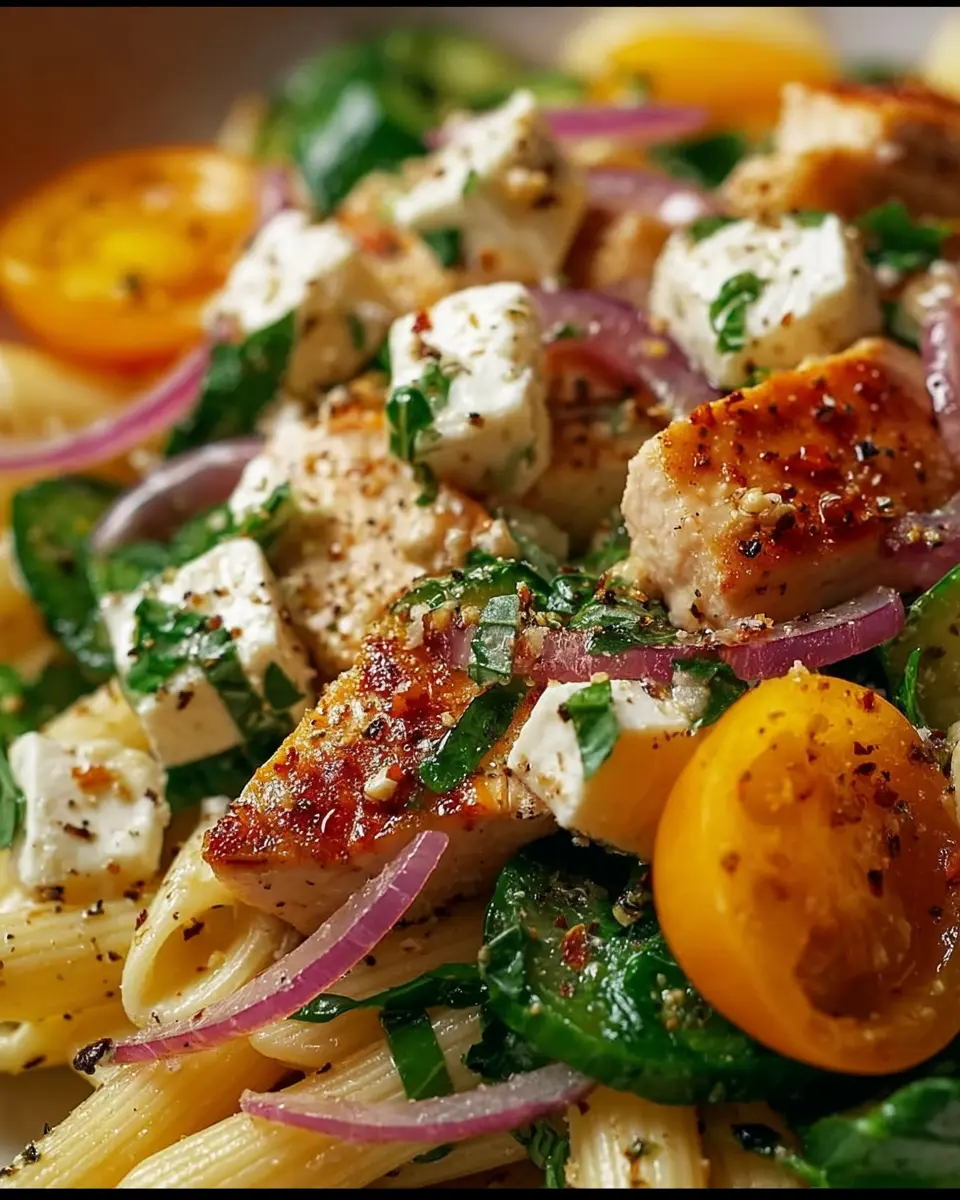
A fresh salad starts with quality ingredients that ensure flavor and nutrition. Here are the basics you’ll need for a delicious, vibrant salad:
- Leafy greens: Choose a mix like spinach, arugula, or romaine for a nutrient boost.
- Vegetables: Crisp cucumbers, ripe tomatoes, and crunchy bell peppers add color and texture.
- Protein: Grilled chicken breast or turkey bacon can enhance your salad with satisfying protein.
- Cheese: Feta or shredded cheddar adds creaminess and tang.
- Dressing: A light vinaigrette made from olive oil and vinegar will elevate the flavors beautifully.
Optional ingredients for customization
Making your salad unique is where the fun begins! Consider these optional ingredients:
- Nuts and seeds: Walnuts or sunflower seeds provide healthy fats and a satisfying crunch.
- Fruits: Sliced apples or berries can add a refreshing sweetness.
- Herbs: Fresh basil or cilantro can brighten up any mix.
- Grains: Quinoa or farro serves as a hearty base, making your salad more filling.
Experiment with different combinations to find your perfect salad recipes! For more inspiration, check out Food Network's salad tips for fresh ideas. Happy mixing!
Step-by-Step Preparation of Salad Recipes
Creating a delicious salad can be a delightful culinary adventure! Not only can salads be nutritious and refreshing, but they also allow for endless creativity. Follow these simple steps to whip up a range of delightful salad recipes that will impress your friends and satisfy your cravings. Let’s dive in!
Gather Your Ingredients
Before you start crafting your salad masterpiece, it’s crucial to gather all your ingredients. A balanced salad usually has a base of greens, proteins, veggies, and a tasty dressing. Here’s a quick checklist to help you out:
- Greens: Spinach, romaine, kale, or mixed greens
- Proteins: Chicken ham, turkey bacon, chickpeas, or beans
- Veggies: Tomatoes, cucumber, bell peppers, carrots, or avocados
- Extras: Nuts, seeds, cheese, or fruits like apples or berries
- Dressing: Olive oil, vinegar, lemon juice, or store-bought options
Feel free to switch things up, depending on what you have on hand or your personal preferences. Don’t forget to wash your produce thoroughly!
Prepare Your Base (Greens)
Once you’ve gathered your ingredients, it’s time to prep your greens. Rinse them under cold water to remove any dirt or grit. For leafy greens like lettuce or spinach:
- Tear or chop: Depending on your salad style; bite-sized pieces work best for easy eating.
- Dry: Use a salad spinner to remove excess water, which helps dressing stick better to your greens.
The base of your salad sets the stage, so take a moment to enjoy the colors and textures of your greens. They’re the canvas for your culinary art!
Chop and Slice Additional Ingredients
Now it’s time to focus on the other ingredients! Take your preferred veggies and proteins:
- Chop: Dice tomatoes, slice cucumbers, and peel and slice carrots into sticks.
- Prepare Proteins: If using chicken ham or turkey bacon, cook them as needed and slice into bite-sized pieces. You can even roast or grill to add a depth of flavor.
Remember to consider texture and color as you go; a mix of shapes and hues will not only make your salad more visually appealing but also tastier.
Whip Up a Homemade Dressing
A great salad often comes down to the dressing. While you can find many options at the store, making a homemade dressing is simple and adds a personal touch. Here’s a quick vinaigrette you can prepare in minutes:
- Ingredients: 3 parts olive oil, 1 part vinegar (balsamic or apple cider works great), a squeeze of lemon juice, salt, and pepper.
- Mix: Combine these ingredients in a jar and shake until emulsified. Adjust to taste!
Dressings can also be customized based on your favorite flavors. Consider adding herbs, mustard, or even a hint of honey for sweetness.
Toss It All Together
Now comes the fun part! In a large bowl, combine your greens, chopped ingredients, and proteins.
- Add Dressing: Start with a little and toss thoroughly, gradually adding more until everything is lightly coated. You don’t want your salad drowning in dressing!
- Serve: Top with any additional garnishes you like, such as nuts or grated cheese.
There you have it—your delicious salad is ready to be enjoyed! Whether it serves as a side dish or a main course, every bite is a testament to your culinary creativity. For great salad inspiration, check out other recipes like Classic Caesar Salad or explore salad variations that best suit your taste!
Variations on Salad Recipes
Protein-packed salad options
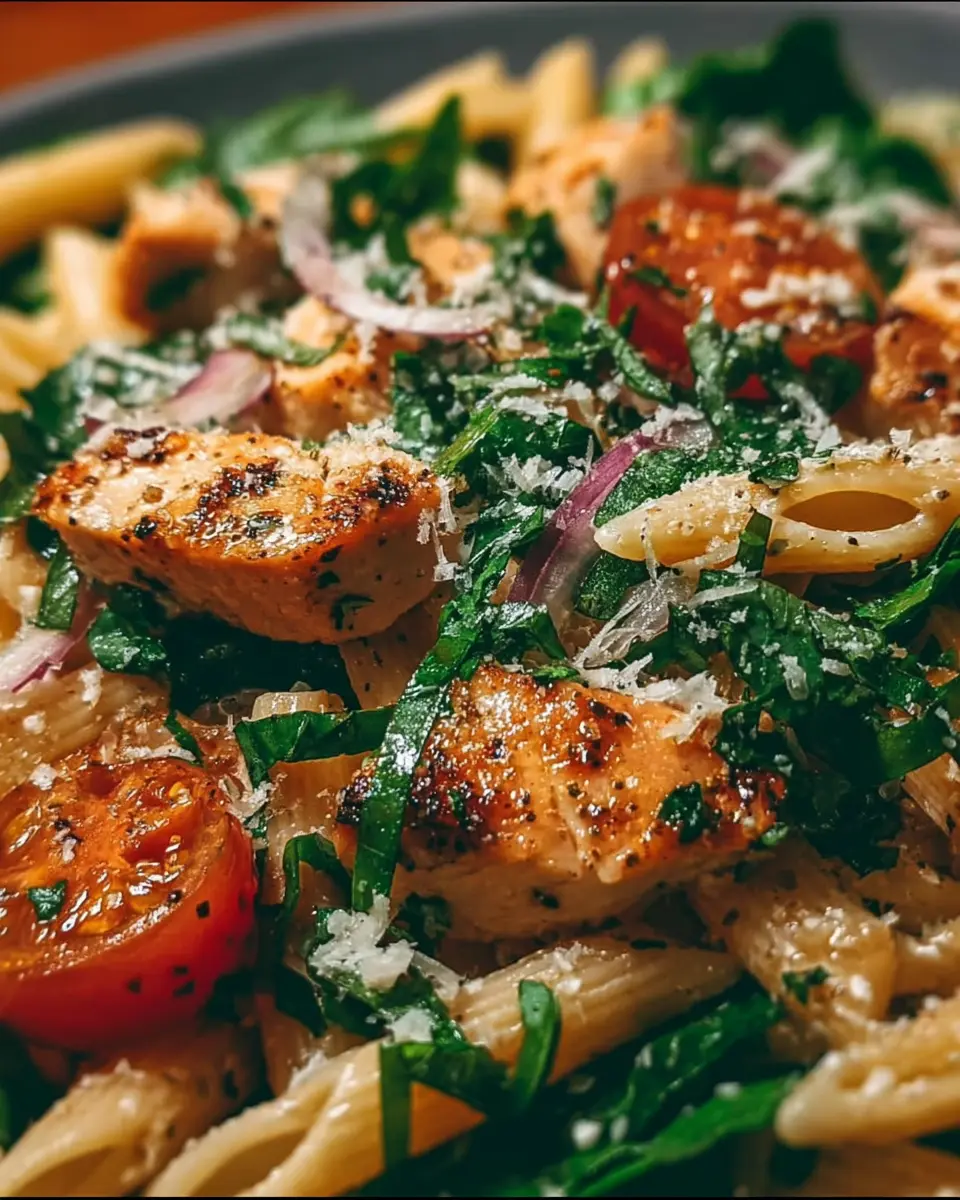
Looking for a way to make your salad more filling? Try incorporating protein-packed ingredients like grilled chicken, turkey bacon, or chickpeas. These additions not only boost the nutritional content but also keep you satisfied longer. For a fresh twist, toss in some feta cheese or quinoa for texture. Don't forget to pair it with a zesty dressing like lemon vinaigrette or a creamy avocado dressing for a flavor explosion!
Seasonal salad variations
Embrace the flavors of the season by customizing your salads according to what's fresh in the market. In spring, think asparagus and strawberries; in summer, ripe tomatoes and cucumbers shine. Autumn calls for roasted squash and cranberries, while winter salads can feature hearty ingredients like kale and citrus. By rotating ingredients with the seasons, you can elevate your salad recipes and keep your meals exciting. Check out these seasonal ideas for inspiration!
Cooking Tips and Notes for Salad Recipes
Keep Greens Fresh
To keep your leafy greens crisp and vibrant, store them in a clean, dry container in the fridge. Adding a paper towel can absorb excess moisture, preventing wilting. As a rule of thumb, wash your greens just before using them for maximum freshness and flavor. For detailed guidance, check out this expert article on proper vegetable storage.
Suggestions for Meal Prep
When preparing salad recipes for the week, consider prepping your ingredients separately. Chop veggies and store them in airtight containers, and keep dressings in jars to maintain freshness. This way, you can easily mix and match flavors throughout the week while avoiding soggy salads. Curious about more meal-prepping tips? Explore this meal prep guide for inspiration.
Tossing together quick and nutritious salads has never been easier!
Serving Suggestions for Salad Recipes
Pairing with Main Dishes
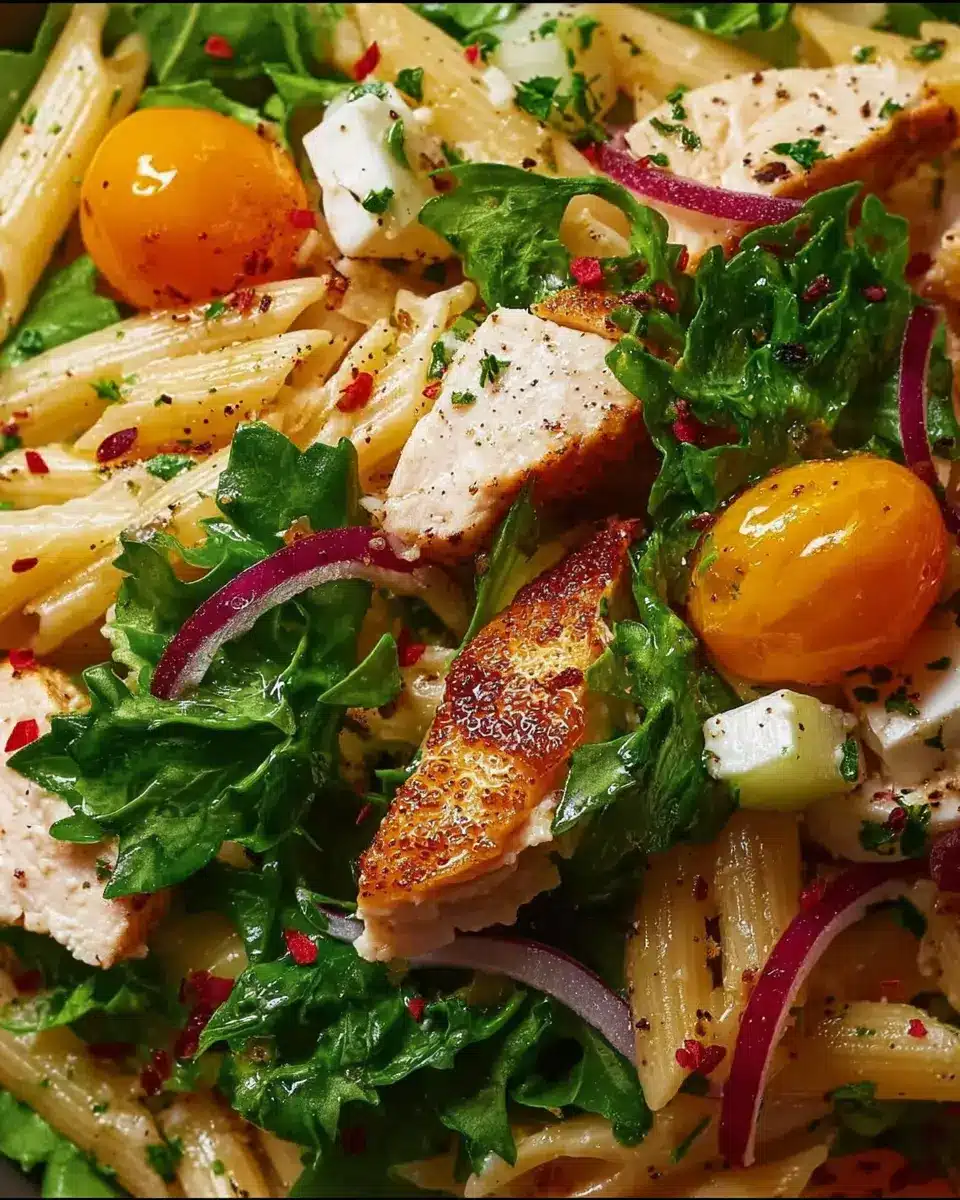
When it comes to salad recipes, consider them the perfect accompaniment to your favorite main dishes. A zesty Caesar salad pairs beautifully with grilled chicken or seafood, while a refreshing quinoa salad complements spicy beef tacos. The crisp textures of salads enhance the overall dining experience, adding freshness to hearty mains, like the Easy Garlic Parmesan Chicken Pasta. If you're feeling adventurous, why not try a Mediterranean chickpea salad with your next roast lamb?
Perfect Containers for Salads on-the-Go
For those busy days, having the right container can make enjoying your salads hassle-free. Opt for stackable, BPA-free containers that keep your greens crisp and toppings fresh. Look for ones with compartments to keep dressing separate until you're ready to dive in. You might also want to check out Container Store for some stylish and functional options! Being organized can elevate your lunch game, making it easier to enjoy healthy eating during hectic workdays.
Whether you’re at home or on-the-go, these serving suggestions can elevate your salad experience!
Time Breakdown for Salad Recipes
Preparation Time
When diving into salad recipes, the preparation time usually ranges from 10 to 25 minutes, depending on whether you’re chopping fresh vegetables or whipping up a homemade dressing. This quick transition from kitchen to table makes salads an ideal choice for busy weeknight dinners.
Total Time
Consider a total time of about 20 to 40 minutes for most salads. This includes both preparation and any time spent mixing or marinating ingredients. With such a flexible timeline, you'll find that enjoying a nutritious salad is both easy and satisfying, perfect for creating a balanced meal on a time crunch.
For more ideas, check out EatFresh for delicious salad inspirations!
Nutritional Facts for Salad Recipes
Caloric Breakdown
Salad recipes can vary widely in calories, ranging from light and refreshing to hearty and filling options. A simple green salad with vinaigrette typically contains around 150-200 calories, while more substantial additions like grains or proteins can increase this to 300-400 calories per serving. Finding that balance is key to enjoying nutritious meals without overindulgence.
Key Vitamins and Minerals
One of the most appealing aspects of salad recipes is their wealth of vitamins and minerals. Leafy greens like spinach and kale are rich in vitamin K and antioxidants, while colorful veggies like bell peppers enhance your intake of vitamin C and beta-carotene. Incorporating various ingredients ensures you're packing essential nutrients in every bite—think fiber from beans or healthy fats from avocados!
By keeping these nutritional facts in mind, you can create salads that are not only delicious but also contribute to your overall well-being and health goals.
FAQs about Salad Recipes
How do I prevent my salad from wilting?
Keeping greens fresh can be a challenge, but a few simple tips can work wonders. Start by washing your greens thoroughly and spinning them dry in a salad spinner. Excess moisture can lead to wilting, so make sure they are completely dry before storing. Additionally, consider layering your salad ingredients with the heaviest items on the bottom and greens on top. This minimizes bruising. For extra crunch, store your salad in an airtight container with a paper towel to absorb moisture.
Can I make salads ahead of time?
Absolutely! Many salad recipes can be prepared ahead of time for easy meals or entertaining. To keep ingredients fresh, layer your salad in a jar, starting with dressing at the bottom, followed by sturdier vegetables, proteins, and finally greens on top. When you’re ready to eat, just shake the jar and enjoy! This method is perfect for those busy workweeks.
What makes the best salad dressing?
The best salad dressing is a balance of acid and fat, bringing out the flavors of your ingredients. A simple vinaigrette can be made with equal parts vinegar (or citrus juice) and oil, seasoned with salt, pepper, and your favorite herbs. Experimenting with different oils and vinegars can lead to delightful discoveries that elevate your salad recipes. For a creamier option, try incorporating yogurt or avocado for richness and health benefits!
For more salad inspirations and tips, check out sites like Serious Eats and BBC Good Food for expert advice.
Conclusion on Salad Recipes
Embrace home-cooked salads for a healthier lifestyle. By crafting your own salad recipes, you maintain control over the ingredients, ensuring freshness and nutrition while avoiding added sugars and preservatives. Get creative in the kitchen! Explore various ingredients, dressings, and textures, and enjoy the vibrancy that fresh salads bring to your meals.

Easy Garlic Parmesan Chicken Pasta
Equipment
- large pot
- Skillet
Ingredients
Pasta and Main Ingredients
- 8 oz pasta Choose your favorite type of pasta.
- 2 tablespoons olive oil Used for sautéing.
- 2 cloves garlic minced adds flavor to the dish.
- 1 pound chicken breast diced main protein for the dish.
- 1 cup grated Parmesan cheese provides creaminess and flavor.
- to taste Salt for seasoning.
- to taste Pepper for seasoning.
- Chopped parsley for garnish adds freshness and color.
Instructions
Cooking the Pasta
- Begin by boiling a large pot of salted water. Add in your chosen pasta and cook according to package instructions until al dente. Reserve ½ cup of pasta water, then drain the pasta and set aside.
Sautéing Garlic
- In a large skillet, heat 2 tablespoons of olive oil over medium heat. Add the minced garlic, stirring constantly for about 1 minute, until fragrant but not browned.
Cooking Chicken
- Add the diced chicken breast to the skillet. Season with salt and pepper. Cook for 5-7 minutes or until the chicken has cooked through and is no longer pink.
Combining Ingredients
- Lower the heat and add the cooked pasta directly into the skillet with the chicken. Gradually pour in the reserved pasta water and stir in the grated Parmesan cheese until everything is well combined and creamy.
Serving
- Garnish with fresh chopped parsley for a burst of color and flavor. Serve warm and enjoy the tasty goodness!



Leave a Reply