
Introduction to Baked French Eggs
Are you searching for a dish that elevates your brunch game? Look no further than Baked French Eggs. With their creamy richness and delightful crispy layer, these eggs are not just pleasing to the palate—they're also a visual treat. Baking adds a level of sophistication while keeping the process simple and approachable.
Imagine pulling a warm dish from the oven, the golden yolks gleaming and the melted cheese bubbling. It's the perfect centerpiece for a leisurely Sunday with friends or a special weekend breakfast. According to a study by the American Egg Board, eggs are a fantastic source of protein and nutrients, making them a smart choice for any meal.
The beauty of baked eggs lies in their versatility. You can personalize your dish with your favorite cheese, sprinkle in some fresh herbs, or even mix in sautéed vegetables or Turkey Bacon for extra flavor. Not only are these baked eggs packed with flavor, but they can also satisfy a range of dietary preferences.
Join me in diving into this delightful recipe that promises to become a staple in your cooking repertoire. Whether you’re hosting a brunch collection or merely indulging in a quiet morning, Baked French Eggs could very well become your new favorite dish!
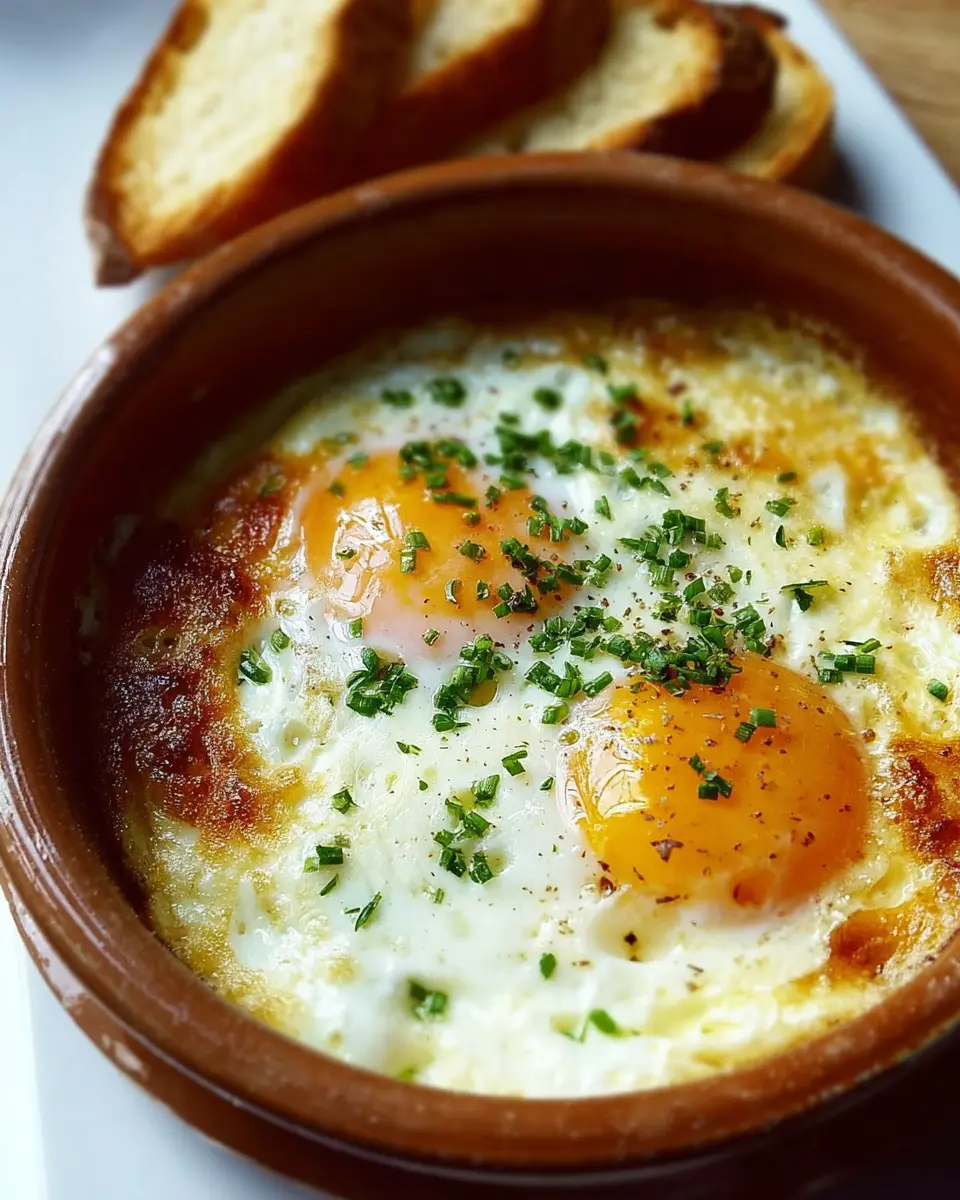
Ingredients for Baked French Eggs
Essential items you’ll need
Creating the perfect Baked French Eggs starts with gathering your essential ingredients. You’ll need:
- 4 large eggs: The star of the dish, providing that silky richness.
- 1 tablespoon butter: To grease your baking dish, ensuring the eggs don’t stick.
- ¼ cup grated cheese: Choose Gruyère or cheddar for a creamy finish; feel free to go lighter if desired.
- ¼ cup heavy cream: This ingredient adds a luxurious texture. Greek yogurt can be a tangy substitute if you prefer.
- Salt and pepper: Use these to season your dish to taste.
- Fresh herbs (like chives or parsley): These will elevate your Baked French Eggs with a burst of freshness.
Optional ingredients for added flavor
To take your Baked French Eggs to the next level, consider adding some optional ingredients:
- Sautéed vegetables: Bell peppers or spinach can add a pop of nutrition and flavor.
- Turkey bacon or chicken ham: These can give your dish a savory twist that's hard to resist.
- Spices: A hint of nutmeg or paprika can introduce complexity.
For more variations, explore this guide to enhancing egg dishes to discover even more possibilities!
Preparing Baked French Eggs
Baked French Eggs are the perfect dish to add a touch of sophistication to your brunch table, combining creamy decadence with a crispy texture. Here's how to make it happen in a few simple steps!
Step 1: Preheat and prepare your baking dish
First things first, you’ll want to preheat your oven to 375°F (190°C). This is crucial for achieving that perfect bake! While your oven warms up, take a small baking dish or individual ramekins and generously grease them with about a tablespoon of butter. This will ensure your Baked French Eggs don’t stick and can be served smoothly. If you’re feeling adventurous, you can use a flavored oil, such as garlic-infused olive oil, for an extra layer of flavor.
Step 2: Layering the ingredients in your dish
Now comes the fun part—layering your ingredients! Start by pouring ¼ cup of heavy cream evenly into your prepared baking dish. The cream beautifully envelops the eggs, contributing to their rich texture. Next, it's time to crack those four large eggs over the cream. Do this carefully, ensuring each yolk remains intact for that lovely presentation.
Once your eggs are in, season them to your heart's desire with salt and pepper. A light sprinkle can go a long way! Finally, add ¼ cup of your chosen grated cheese—think Gruyère or sharp cheddar. For those who prefer a lighter option, feel free to opt for a low-fat cheese.
Step 3: Baking to perfection
With everything layered, gently place your baking dish in the preheated oven. Bake for about 12-15 minutes. Watch it closely! You’re looking for the egg whites to be set while the yolks remain just a tad runny, perfect for that creamy burst when you dig in. No one wants overcooked eggs, right? If you’re curious about different baking techniques, check out this baking guide for more insights.
Step 4: The all-important garnish
Once your Baked French Eggs are out of the oven, it’s time to elevate their appearance with some fresh herbs! A sprinkle of chives or parsley not only adds color but also a burst of freshness that enhances the dish. Serve them immediately for the best experience. As you dig in, savor the contrast between the rich egg yolk and the crispy edges—a true indulgence!
Experiment with additional toppings like sautéed vegetables or pieces of Turkey Bacon to create your ideal brunch dish. Enjoy your Baked French Eggs; they're sure to impress family and friends alike!
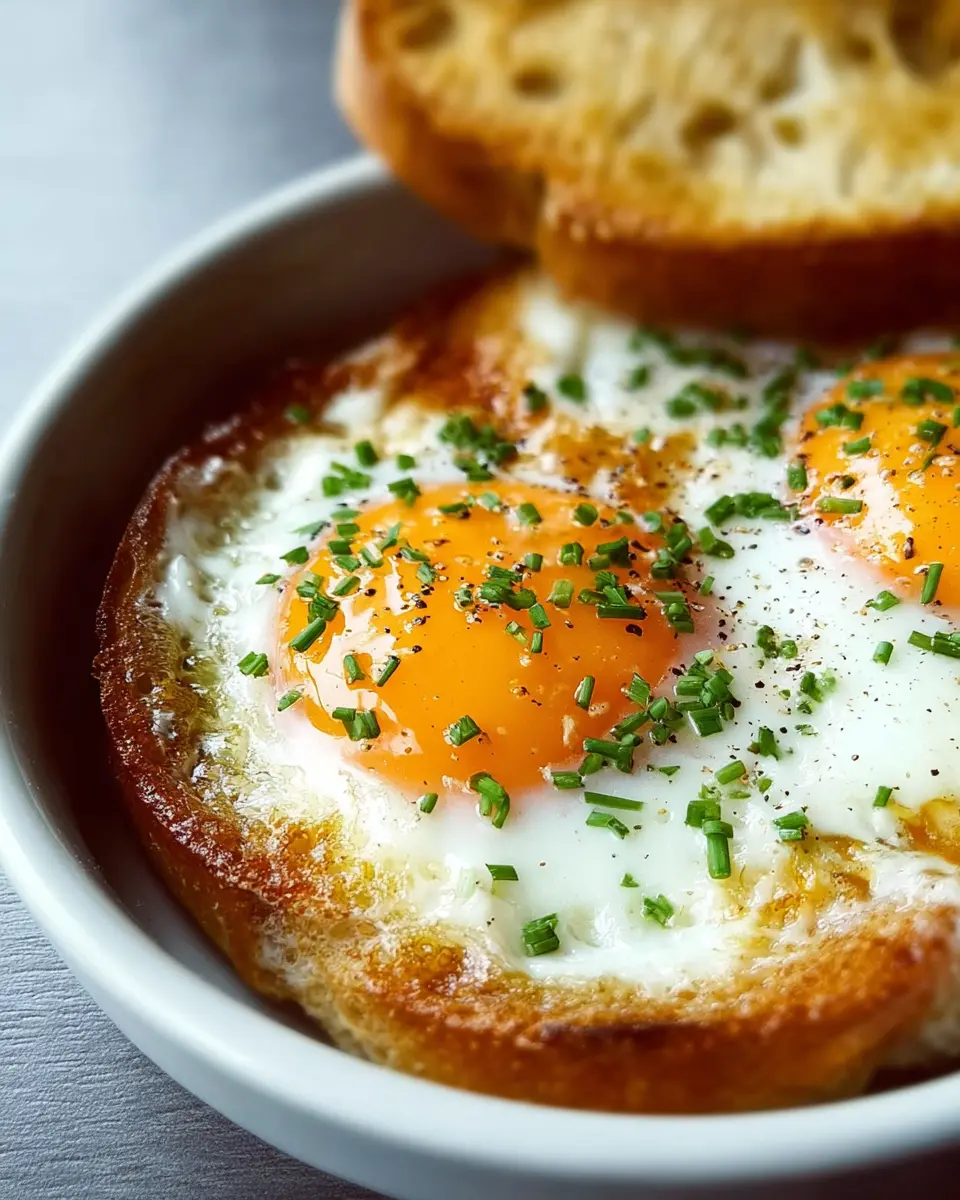
Variations on Baked French Eggs
Veggie-loaded Baked French Eggs
For a healthier twist, try veggie-loaded Baked French Eggs. Simply sauté your favorite vegetables, like spinach, tomatoes, and bell peppers, and layer them in the baking dish before adding the eggs. This not only adds vibrant colors but also boosts your nutrient intake. You can even sprinkle in some feta cheese for a tangy kick. The result is a satisfying dish that feels indulgent while still being wholesome.
Southwest-style Baked French Eggs
If you’re craving something with a bit more heat, opt for Southwest-style Baked French Eggs. Start with a layer of black beans and corn, then crack the eggs on top. Add diced jalapeños or a sprinkle of taco seasoning for some flair, and finish with shredded cheese. Pair this dish with fresh avocado slices and salsa for a perfect brunch. Explore more creative variations on eggs here.
Cooking Tips and Notes for Baked French Eggs
Preventing Overcooking
To achieve the perfect texture in your Baked French Eggs, it’s crucial to keep a close eye on them as they bake. Start checking around the 10-minute mark, as oven types can differ. If you're aiming for runny yolks, remove them from the oven as soon as the whites are set but not rubbery. Remember, they will continue to cook slightly after being taken out due to residual heat.
Customizing for Dietary Preferences
Baked French Eggs are incredibly versatile! You can easily adapt this dish to suit various dietary needs. Want a lighter option? Substitute the heavy cream with Greek yogurt for a tangy twist. For a heartier version, try adding sautéed vegetables or swapping in turkey bacon or chicken ham. These changes will keep the dish satisfying while catering to your guests' tastes. Consider exploring different cheese varieties too; each will bring its unique flavor to your French eggs! For more ideas, check out this guide on custom egg recipes.
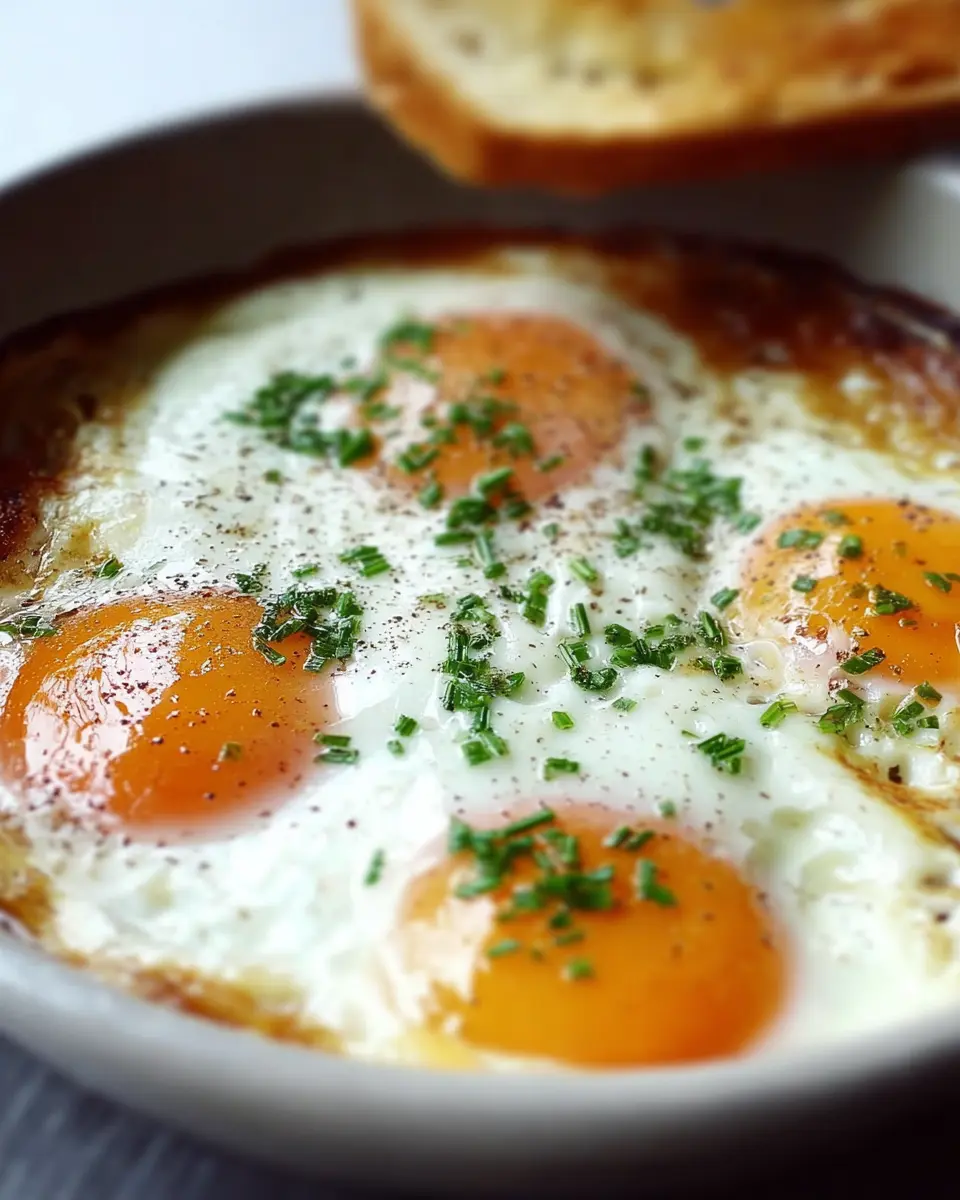
Serving suggestions for Baked French Eggs
Pairing with refreshing salads
Baked French Eggs shine when paired with a crisp, refreshing salad. Consider a mixed greens salad dressed with a zesty lemon vinaigrette to balance the rich flavors of the dish. Adding arugula or spinach can also provide a peppery crunch, complementing the creamy eggs beautifully. For a hearty twist, top your salad with protein like Turkey Bacon or Chicken Ham for added satisfaction.
Stylish plating ideas
Make your Baked French Eggs a centerpiece by plating them in colorful individual ramekins. Fresh herbs like chives or parsley not only garnish the dish but also enhance its visual appeal. Serve on a rustic wooden board for a charming presentation, perhaps with toasted sourdough alongside for dipping. Let your creativity shine—mixing textures and colors elevates the brunch table vibe!
Time Breakdown for Baked French Eggs
Preparation Time
Getting started with your Baked French Eggs takes just 15 minutes. This includes preheating your oven and gathering all the delicious ingredients you'll need. It's quite straightforward, so you can even multitask by prepping your brunch table or coffee while working on the dish.
Cooking Time
Once your eggs are ready to go, pop them into the oven for about 12 to 15 minutes. Keep an eye on them as they bake, ensuring the egg whites are set and the yolks reach your preferred level of doneness. That crispy tops and creamy centers make it all worth it!
Total Time
In total, you're looking at approximately 30 minutes from start to finish. This makes Baked French Eggs an excellent option for a relaxed weekend brunch. Quick, easy, and oh-so-delicious—it’s the perfect way to treat yourself and your loved ones!
For more tips on achieving the best results, you might want to check out resources from culinary experts at Serious Eats or America's Test Kitchen.
Nutritional Facts for Baked French Eggs
Calories
A serving of Baked French Eggs contains approximately 300 calories. This makes it a satisfying option that won’t derail your meal plan, especially if you’re enjoying it as part of a hearty brunch.
Protein
Eggs are a fantastic source of protein, and with 4 large eggs in the recipe, you're getting about 24 grams of protein per serving. This is a great way to fuel your body and keep you feeling full throughout the day.
Fat
With the addition of heavy cream and cheese, each serving contains about 23 grams of fat. While this may seem high, these healthy fats can contribute to overall satiety and satisfaction, especially when paired with fresh herbs for garnish.
For more nutritional insights on eggs, check Nutrition Data for a detailed breakdown!
FAQs about Baked French Eggs
Can I use different types of cheese?
Absolutely! While Gruyère and cheddar are classic choices for your Baked French Eggs, feel free to get creative. Options like feta offer a tangy twist, or you might prefer a milder flavor like mozzarella. Experimenting with cheese blends can also enhance the dish—think sharp with creamy for a delightful combination!
What can I serve with Baked French Eggs?
Baked French Eggs shine bright on their own, but they pair beautifully with sides. Consider serving them alongside Turkey Bacon or Chicken Ham for a savory complement. A fresh side salad or crusty bread can also elevate your brunch spread. If you want to keep it light, some sliced avocado or a fruit platter won’t steer you wrong!
How long can leftovers be kept?
If you find yourself with leftover Baked French Eggs—a rarity, we know—they can be stored in an airtight container in the refrigerator for up to two days. Just reheat gently in the oven or microwave to bring back that deliciousness. You can learn more about food storage tips at reputable sources like the USDA if you're looking for the best methods!
Conclusion on Baked French Eggs
Baked French Eggs are a delightful addition to your brunch repertoire. Their creamy texture and savory flavors make them a crowd-pleaser for any occasion. Don’t be afraid to experiment with different cheeses or herbs to find your perfect combination. Enjoy this simple yet sophisticated dish with loved ones today!

Baked French Eggs
Equipment
- baking dish
- ramekins
Ingredients
Main Ingredients
- 4 large eggs
- 1 tablespoon butter for greasing the baking dish
- ¼ cup grated cheese (e.g., Gruyère or cheddar, lighter option if desired)
- ¼ cup heavy cream or substitute with Greek yogurt for a tangy twist
- to taste salt for seasoning
- to taste pepper for seasoning
- Fresh herbs (e.g., chives or parsley, for garnish)
Instructions
Preparation
- Preheat your oven to 375°F (190°C).
- Grease a small baking dish or individual ramekins with butter to prevent sticking.
- Pour your heavy cream evenly into the baking dish(es).
- Carefully crack four eggs over the cream, ensuring you keep the yolks intact.
- Sprinkle salt and pepper over the eggs to enhance their flavor.
- Generously top the eggs with your choice of grated cheese.
- Place the baking dish in the preheated oven and bake for 12-15 minutes or until the whites are set and the yolks have reached your desired level of doneness.
- Once baked, remove from the oven, garnish with fresh herbs, and serve immediately.




Leave a Reply