
Introduction to Gochujang Pasta
What is gochujang pasta and why is it a game-changer?
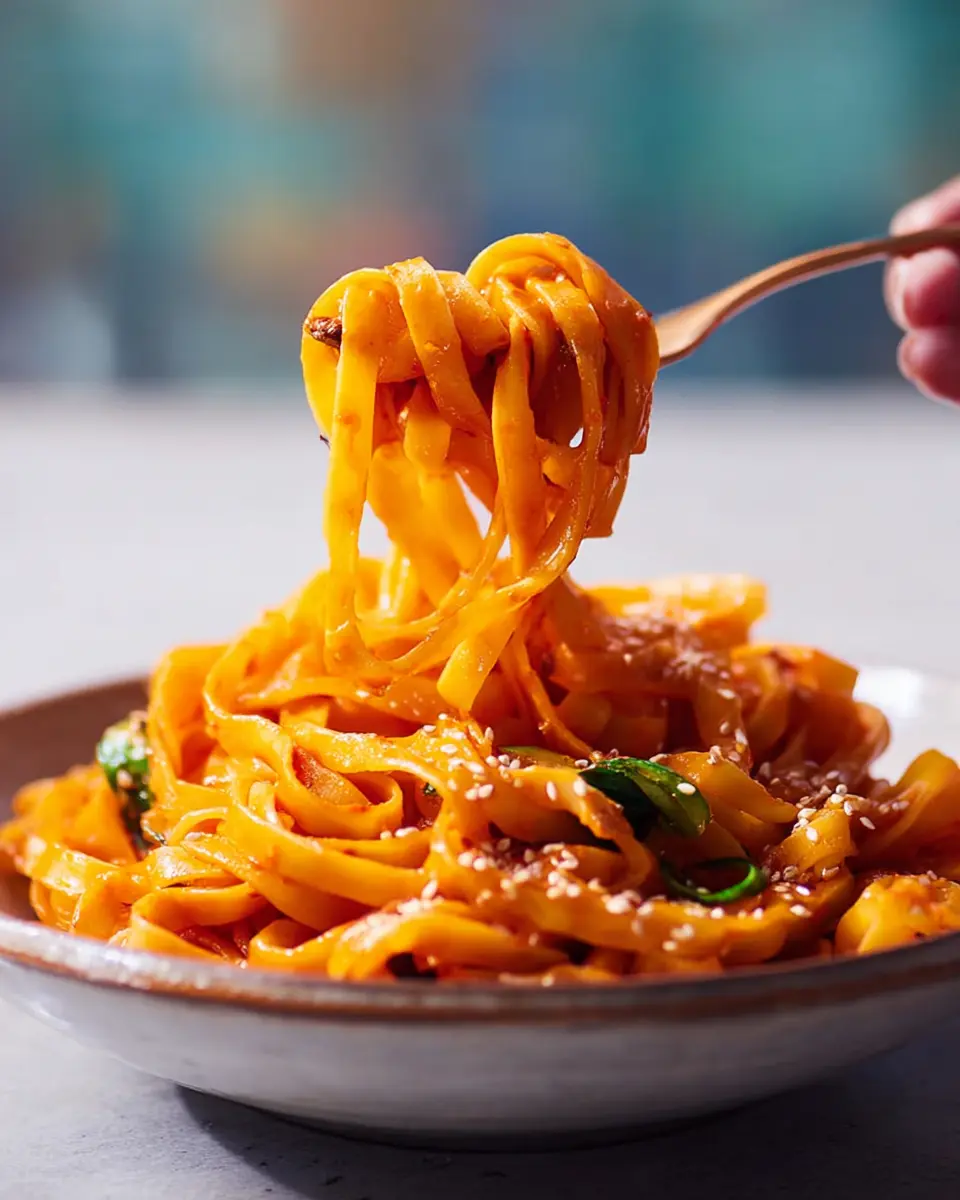
If you haven't yet tried gochujang pasta, you're in for a treat! This innovative dish combines the umami-rich flavor of Korean gochujang, a fermented chili paste, with the comforting simplicity of pasta. It's a game-changer for several reasons. First, it’s incredibly simple to whip up; with a prep time of less than 30 minutes, you can have dinner on the table in no time.
The secret lies in the creamy sauce, made with silken tofu and nutritional yeast, which adds a dairy-free richness without compromising on flavor. Adding gochujang gives the dish a delightful heat, making it lively and satisfying to eat. Plus, it's versatile—whether you want to toss in some frozen peas for a pop of color or swap them for shredded greens, the choice is yours!
What’s more, this dish fits a variety of dietary needs. It’s vegan, dairy-free, and nut-free, making it perfect for gatherings with friends or family who might have specific dietary restrictions. For more inspiration and variations on this dish, you might enjoy checking out BBC Food’s Gochujang Pasta Recipe.
Dive into the flavors of gochujang pasta, and you might just find your next go-to weeknight meal!
Ingredients for Gochujang Pasta
Essential pantry staples for a delicious meal
Creating a delightful gochujang pasta starts with some key ingredients that are likely already in your pantry:
- Dried Pasta: 500g (1 lb 2 oz) of your favorite type (like linguine or penne) sets the base for your dish.
- Olive Oil: A tablespoon helps to sauté the aromatics.
- Onion: Finely chopped, either red or white, adds sweetness and depth.
- Garlic: Two cloves, grated or chopped for that irresistible aroma.
- Silken Tofu: 300g (10½oz), a fantastic creamy base that keeps it plant-based.
- Gochujang: Two tablespoons give it that spicy, umami kick.
- Nutritional Yeast: Two tablespoons, acting as a cheesy flavor enhancer (or use Italian-style hard cheese if you're not vegan).
For a full pantry checklist, you might explore sources like BBC Good Food for additional essentials.
Optional ingredients for added flavor and texture
Don't hesitate to customize your gochujang pasta with these optional ingredients:
- Frozen Peas: A large handful adds sweetness and color to the dish.
- Greens: Try shredded kale or cavolo nero for a nutritious twist.
- Chili Flakes: If you crave more heat, sprinkle in some chili flakes.
- Sesame Oil: A drizzle before serving can enhance the flavor profile with nutty notes.
These additions can elevate your meal from good to unforgettable! What do you like to throw into your pasta for a personal twist?
Step-by-step Preparation of Gochujang Pasta
Making a delicious gochujang pasta dish is not only a breeze but also a treat for your taste buds! Here’s how to prepare this creamy and spicy vegan delight in just a few simple steps.
Gather your ingredients
Before you start cooking, it’s essential to have all your ingredients ready. This will streamline the process and make it enjoyable. Here’s what you’ll need:
- 500g (1lb 2oz) dried pasta (linguine, spaghetti, tagliatelle, fusilli, or penne work well)
- 1 tablespoon olive oil
- 1 onion (red or white, finely chopped)
- 2 garlic cloves (finely grated or chopped)
- 300g (10½oz block silken tofu, roughly chopped)
- 2 tablespoon gochujang
- 2 tablespoon nutritional yeast (or finely grated Italian-style hard cheese)
- A large handful of frozen peas (optional)
- Salt (to taste)
Check out this link for more information about these ingredients to get your creative juices flowing BBC Food.
Cook the pasta to perfection
Start by cooking your pasta in a saucepan filled with well-salted boiling water. Follow the package instructions until the pasta is al dente, which typically takes between 8 to 10 minutes. Remember to reserve a cup of the pasta water before draining, as it can help adjust the consistency of the sauce later on.
Sauté the aromatics for flavor
While the pasta is cooking, it's time to make your kitchen smell divine. Heat the olive oil in a separate pan and add the finely chopped onion and garlic with a pinch of salt. Cover with a lid and let them gently soften for about 5 minutes. This step adds a rich, flavorful base to your gochujang pasta.
Blend it all together for a creamy sauce
Now for the fun part! Add the soft silken tofu, gochujang, nutritional yeast, and the sautéed onion and garlic to a blender. Pour in a couple of tablespoons of your reserved pasta water, then blend everything until it’s completely smooth. This creamy sauce is the star of the dish, offering that delightful spicy kick.
Combine pasta and sauce, and serve
Once your sauce is ready, bring it to a medium heat in a saucepan until it begins to simmer. If you’re using peas, either boil or microwave them until hot, then toss them in with the pasta. Mix everything well, adding a splash of the reserved pasta water if the consistency is too thick.
Finally, serve your gochujang pasta immediately, garnished with any fresh herbs or chili flakes you like. Enjoy this vibrant dish that’s not just healthy, but also a hit at any dinner table!
By following these steps, you’re sure to impress your friends or treat yourself to a cozy evening in. Bon appétit!
Variations on Gochujang Pasta
Spicy Shrimp Gochujang Pasta
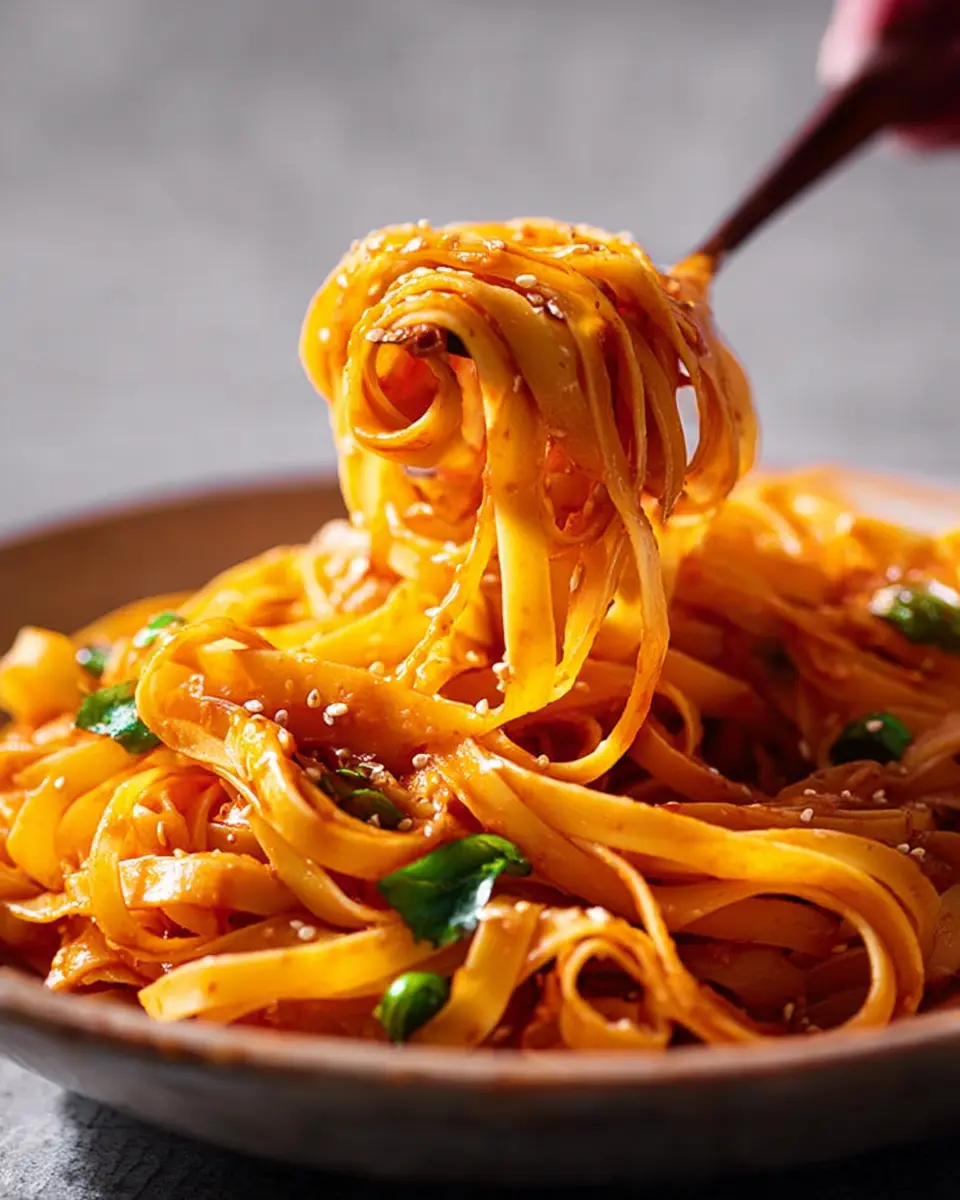
If you’re a fan of seafood, try adding succulent shrimp for a delicious twist on gochujang pasta. Sauté the shrimp in olive oil with some garlic until they’re pink and tender. Toss them into your creamy gochujang sauce just before combining with the pasta. The spice of gochujang paired with the sweetness of the shrimp creates an irresistible flavor combination. For an extra kick, a sprinkle of chili flakes will elevate this dish to new heights.
Gochujang Pasta with Roasted Vegetables
For a vibrant and nutritious variation, we recommend gochujang pasta with roasted vegetables. Think bell peppers, zucchini, and carrots tossed in olive oil and roasted until caramelized. Mix these colorful veggies into your creamy base for a hearty meal. Not only will this add depth to your dish, but it’s also an excellent way to incorporate seasonal produce. Plus, it’s an easy way to sneak in some extra nutrients!
For more recipe inspirations, consider checking out BBC Good Food’s take on gochujang for exciting variations.
Cooking Tips and Notes for Gochujang Pasta
Customizing Spice Levels
One of the great things about gochujang pasta is its versatility in spice. If you’re sensitive to heat, start with a smaller amount of gochujang, about 1 tablespoon, then taste and adjust as needed. On the flip side, if you’re looking to crank up the heat, feel free to add more gochujang or even a sprinkle of chili flakes. Remember, you can always add more, but you can’t take it out once it’s in!
Substitutions for Dietary Preferences
This gochujang pasta is naturally vegan and dairy-free, but if you're not adhering to a strict vegan diet, you can substitute nutritional yeast with finely grated hard cheese for a creamier flavor. For gluten sensitivities, choose a gluten-free pasta option. Want more veggies? Swap in shredded kale or other greens for the peas. The beauty of this dish lies in its adaptability, so get creative and make it your own!
For more insights on vegan cooking and ingredient substitutions, check out Nutrition.org for comprehensive resources!
Serving Suggestions for Gochujang Pasta
Ideal pairings for a well-rounded meal
When enjoying your gochujang pasta, consider pairing it with complementary sides. A fresh green salad with a zesty dressing can balance the creamy, spicy flavors. For protein, grilled chicken or turkey bacon makes a fantastic addition, enhancing the dish without overshadowing it. Looking for something a bit different? Try serving the pasta alongside crispy roasted vegetables for a delightful crunch.
Creative garnishes to elevate your dish
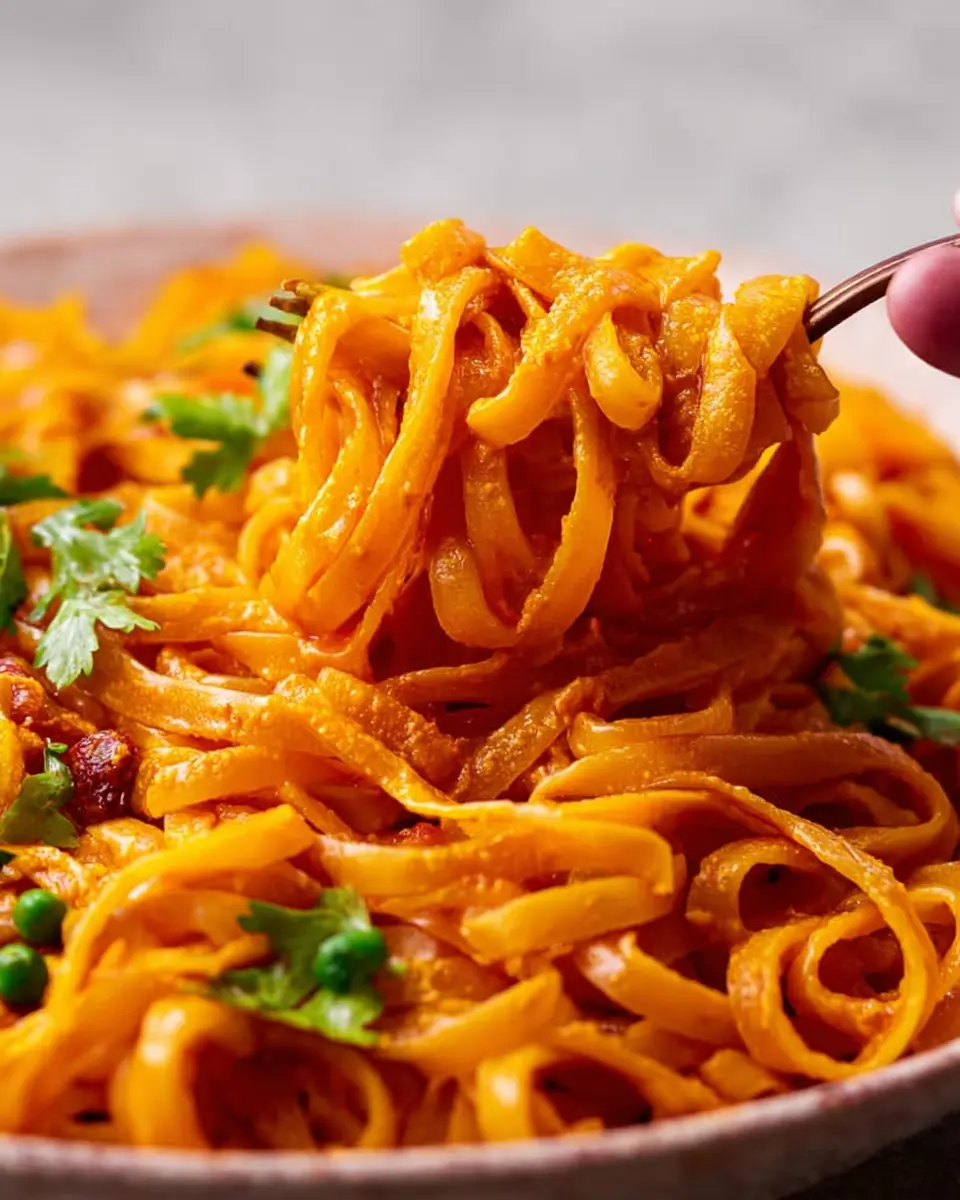
To make your gochujang pasta even more inviting, add simple yet impactful garnishes:
- Fresh herbs: A sprinkle of chives or cilantro brings brightness.
- Sesame seeds: Toasted sesame seeds add both flavor and texture.
- Chili flakes: For those who crave extra heat, a dash of chili flakes can elevate your pasta.
These enhancements not only look visually appealing but also deepen the flavor profile of your dish. Enjoy experimenting! For more inspiration, check out this article on creative pasta dishes that can transform your meals!
Time Breakdown for Gochujang Pasta
Preparation time
Getting ready for your gochujang pasta adventure takes about 10 minutes. This includes gathering your ingredients and chopping your onions and garlic.
Cooking time
The cooking process is quite efficient, lasting around 20 minutes. You'll boil the pasta and whip up that creamy sauce simultaneously.
Total time
In just 30 minutes, you can have a delicious, vegan gochujang pasta dish ready to serve. Perfect for a weeknight dinner!
For more tips on quick meals, check out this pasta recipe guide for more speedy options.
Nutritional Facts for Gochujang Pasta
Calories
A serving of gochujang pasta packs approximately 350–450 calories, depending on the pasta variety you choose. If you're looking for a filling meal without overdoing it, this dish hits the spot!
Protein
This creamy delight offers a healthy dose of protein, mainly from the silken tofu—about 10–15 grams per serving. It’s a great option for those following a plant-based diet.
Sodium
Keep an eye on the sodium content, which ranges from 500 to 800 mg. You might want to adjust the salt to suit your dietary needs. For a low-sodium version, consider using a minimal amount or an alternative seasoning!
For more in-depth nutritional information, you can check Healthline or NutritionalData.
FAQ about Gochujang Pasta
Can I make this dish gluten-free?
Absolutely! To prepare a gluten-free gochujang pasta, simply swap regular pasta with a gluten-free variety like brown rice pasta or chickpea pasta. These alternatives maintain a great texture while accommodating dietary needs. Check out resources like Gluten-Free Living for more tips on gluten-free cooking.
How long can I store leftovers?
Leftover gochujang pasta can be stored in an airtight container in the refrigerator for up to 3 days. When you’re ready to enjoy it again, simply reheat on the stovetop or in a microwave, adding a splash of water to retain creaminess.
What can I substitute for tofu?
If you're looking for a tofu alternative, cooked chickpeas or coconut cream can work wonders in recreating the creamy texture of this dish. Alternatively, cauliflower puree offers a nutritious and delicious option. Experimenting with these substitutes allows you to tailor the recipe to your preference!
Conclusion on Gochujang Pasta
Wrap-up and Encouragement to Try This Exciting Dish
Gochujang pasta is a delightful fusion that’s not only quick to prepare but also bursting with flavor. With its creamy, spicy sauce and the flexibility to customize it with your favorite vegetables, this dish is perfect for any weeknight dinner. Don’t hesitate to give this invigorating recipe a try! Your taste buds will thank you.
For more delicious recipes, including variations of gochujang pasta, consider exploring BBC Good Food for inspiration.
Gochujang pasta
Equipment
- saucepan
- blender
Ingredients
Pasta
- 500 g dried pasta such as linguine, spaghetti, tagliatelle, fusilli or penne
- 1 tablespoon olive oil
- 1 onion red or white, finely chopped
- 2 garlic cloves finely grated or chopped
- 300 g silken tofu roughly chopped
- 2 tablespoon gochujang
- 2 tablespoon nutritional yeast or finely grated Italian-style hard cheese
- large handful frozen peas optional
- salt to taste
Instructions
Cooking Instructions
- Cook the pasta in a saucepan of well salted boiling water according to packet instructions, or until al dente. Drain and reserve some of the pasta cooking water.
- Meanwhile, heat the olive oil in a saucepan and fry the onion, garlic and a pinch of salt with the lid on until softened.
- Place the tofu, gochujang and nutritional yeast in a blender. Add the onion mixture and a couple of tablespoons of the reserved pasta cooking water and blend until totally smooth.
- If using the peas, boil or microwave them until hot.
- Pour the tofu mixture into a saucepan. Cook over a medium heat until it starts to simmer then add the pasta, along with a splash of the reserved pasta water if the sauce is a little thick.
- Toss the peas, if using, with the creamy pasta and serve immediately.
Leave a Reply