
Introduction to Hard-Boiled Eggs
Why hard-boiled eggs are a must-have in your kitchen?
Hard-boiled eggs are a kitchen staple for many reasons. First and foremost, they are incredibly versatile. Whether you're looking for a quick snack, a protein-packed breakfast, or an elegant addition to salads and sandwiches, hard-boiled eggs fit the bill perfectly. With just a few eggs and a pot of water, you can create a delicious, nutritious food that keeps well and can easily be prepped in advance.
One of the best things about hard-boiled eggs is their nutritional value. They are rich in high-quality protein, healthy fats, and essential nutrients like vitamin B12 and selenium (source: Healthline). Plus, they’re naturally gluten-free and low-calorie, making them a satisfying option for those watching their diets.
Have you ever struggled to peel a boiled egg? Frustrating, right? That's where mastering the hard-boiled egg technique comes in. Our no-fail easy peel method promises not just perfectly cooked eggs but also shells that slide off effortlessly. Imagine serving perfectly peeled eggs at your next brunch or picnic—a real crowd-pleaser! So, let’s dive into the details of how to make hard-boiled eggs that will impress even your most discerning guests.
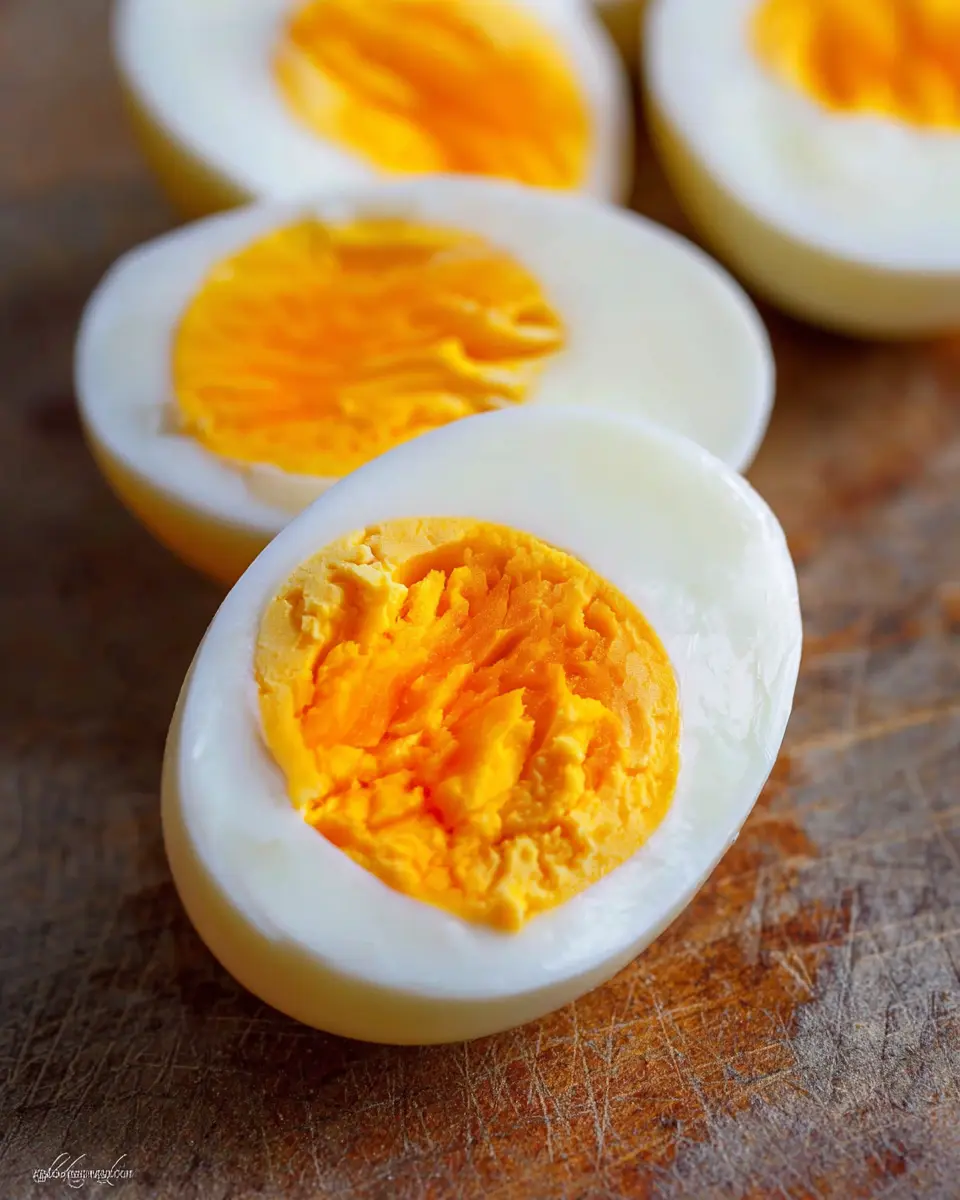
Ingredients for Hard-Boiled Eggs
Essential items you need for perfect hard-boiled eggs
Cooking hard-boiled eggs is as simple as it gets, but choosing the right ingredients and tools will ensure your results are perfect every time. You'll only need a few items:
-
Fresh large eggs: Ideally, use 6-12 large eggs for the best texture and flavor. Fresh eggs generally make for better hard-boiled eggs, but if you're struggling with peeling, slightly older eggs can be easier to work with.
-
Water: You’ll need enough water to cover the eggs by at least an inch, ensuring they cook evenly and don't crack during the boiling process.
-
Pot: Select a larger pot that can hold your eggs in a single layer. This prevents overcrowding and leads to more consistent cooking. An evenly heated pot is crucial for achieving that perfect hard-boiled texture.
For added convenience, incorporating a slotted spoon will help you lower the eggs gently into the boiling water without cracking them. Remember, peeling your hard-boiled egg is just as important, so be sure to follow our easy peeling method in the full recipe.
If you're looking to dive deeper into egg cooking techniques, you can check out resources like Serious Eats for expert advice!
Preparing Hard-Boiled Eggs
Creating the perfect hard-boiled eggs can be a game-changer for your meals. Whether you want to snack on them, add them to salads, or prepare for a delicious breakfast, using the no-fail easy peel method ensures you’ll have delightful eggs every time. Let’s dive into this simple process together!
Get Your Eggs Ready
Start by pulling your eggs from the refrigerator about 15-20 minutes before you plan to boil them. This helps them reach room temperature, making them less likely to crack during cooking. If you’re making a larger batch, remember to use a pot wide enough to hold your eggs in a single layer. Too many eggs stuffed into a small pot can lead to uneven cooking. For more tips on egg storage and handling, check out resources from the American Egg Board.
Boil the Water
Next, fill your pot with water, making sure to go halfway up. Bring this water to a rolling boil. While the water heats, you might use this moment to mentally prepare any toppings or sides you wish to pair with your hard-boiled eggs. This is a great time to think about what spices or sauces might elevate your egg dish!
Add the Eggs Carefully
Once the water is boiling, it’s time to add your prepped eggs. Use a slotted spoon to gently lower the eggs into the pot. Avoid dropping them in directly, as this could lead to cracking. Remember, slow and steady wins the race here!
Timing is Everything
Now for the crucial part: timing. You’ll want to let your eggs cook for about 10-12 minutes. If you prefer a slightly softer yolk, aim for 10 minutes; for a more set yolk, go for the full 12. Did you know that overcooked hard-boiled eggs can turn chalky and be difficult to peel? Keeping an eye on the time can save you from this fate.
Cool Those Eggs Down
Once your timer goes off, it’s essential to cool the eggs quickly. Pour off the hot water and run cold water over the eggs, or you can fill the pot with cold water and let them sit for a few minutes. The goal here is to stop the cooking process and make peeling much easier. Consider prepping a quick salad while you wait for the eggs to cool—multitasking is key in a busy kitchen!
The Easy Peel Method
Once your eggs are cool enough to handle, it’s time for the magic: peeling. Tap the egg gently on both ends to create cracks, then roll it lightly on the counter to fracture the shell further. This is where it gets fun! Peel them under running water, catching any bits of shell that might cling on. Try to remove the shell along with the clear membrane underneath—this makes peeling so much easier!
With these steps, you’ll achieve beautiful, perfectly cooked hard-boiled eggs that will impress your friends and family. Ready to enjoy your culinary creation? Happy cooking!
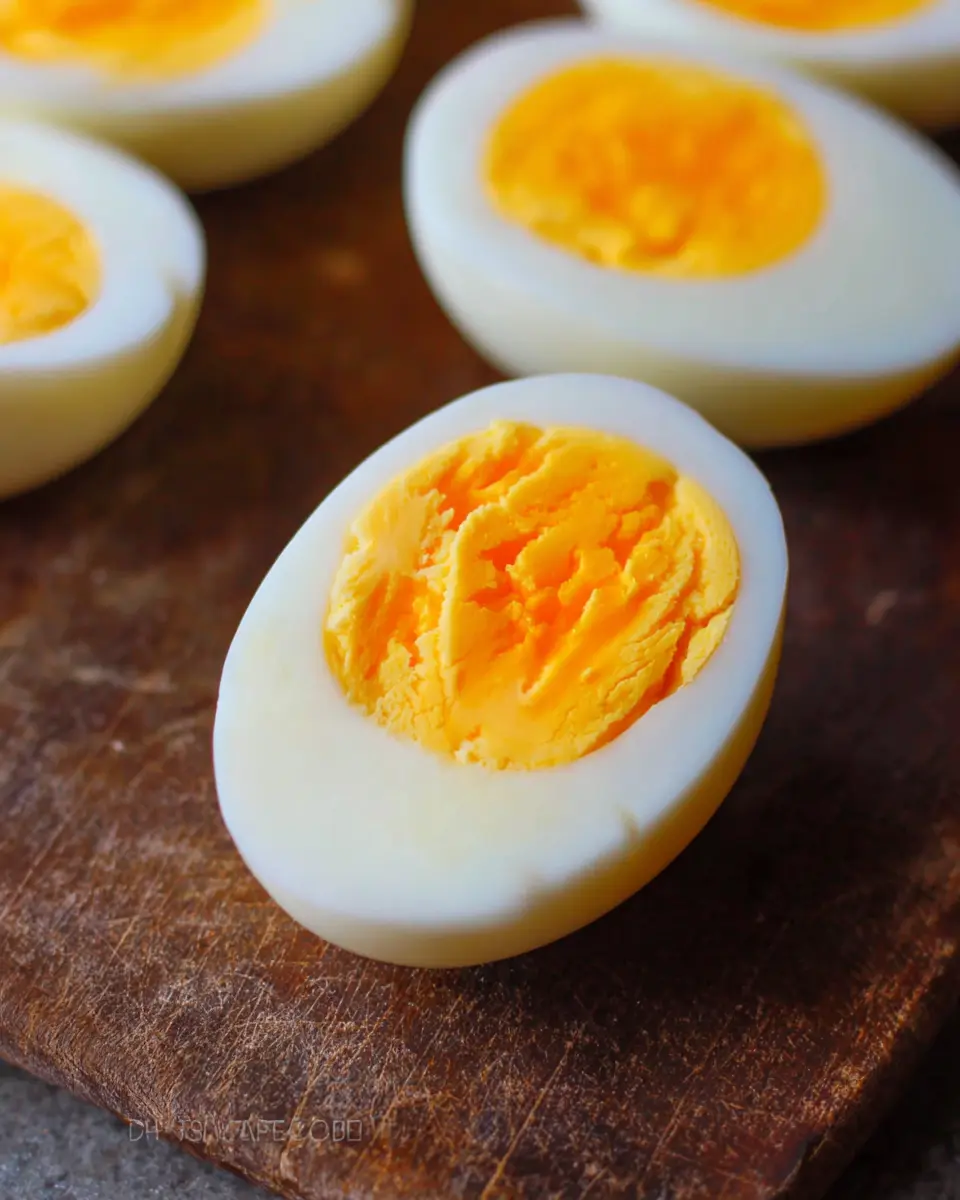
Variations on Hard-Boiled Eggs
Hard-boiled eggs are incredibly versatile and can be dressed up in many delicious ways. Here are two of my favorite variations:
Deviled Hard-Boiled Eggs
Deviled eggs are a party classic for a reason! Simply slice your hard-boiled eggs in half, remove the yolks, and mash them with a mix of mayonnaise, mustard, and a sprinkle of paprika. Spoon this creamy filling back into the whites for a delightful appetizer that never goes out of style. Want to add some pizzazz? Incorporate ingredients like chopped herbs or pickles for added flavor.
Hard-Boiled Eggs with Avocado
For a healthy twist, mash your hard-boiled eggs with ripe avocado. It’s as simple as peeling your egg, adding it to a bowl, and mixing it with avocado, a squeeze of lemon juice, and a pinch of salt. This mash makes a fantastic spread for toast or can be enjoyed with crunchy veggies for a quick snack. Perfect for brunch or a light lunch, this combination is not only nutritious but incredibly satisfying.
Experiment with these variations, and you'll have your hard-boiled eggs becoming your new favorite dish! For more ideas, check out this guide on egg recipes.
Cooking Tips and Notes for Hard-Boiled Eggs
Keep Your Eggs at Room Temperature
Starting with room temperature eggs can make a significant difference in achieving the perfect hard-boiled egg. When eggs sit out for about 20-30 minutes before cooking, they’re less likely to crack during boiling, and they’ll cook more evenly. If you’re in a pinch, you can gently place them in warm (not hot) water for a few minutes to speed up the warming process.
Adjust Cooking Time Based on Egg Size
Not all eggs are created equal! The size of the eggs you use will affect the cooking time. For large eggs, a cooking time of 10-12 minutes is ideal. If you’re using small or extra-large eggs, you might need to tweak the time by a minute or two. This simple adjustment can ensure that every hard-boiled egg is just right — firm but tender.
Serving suggestions for Hard-Boiled Eggs
Perfect snacks and appetizers
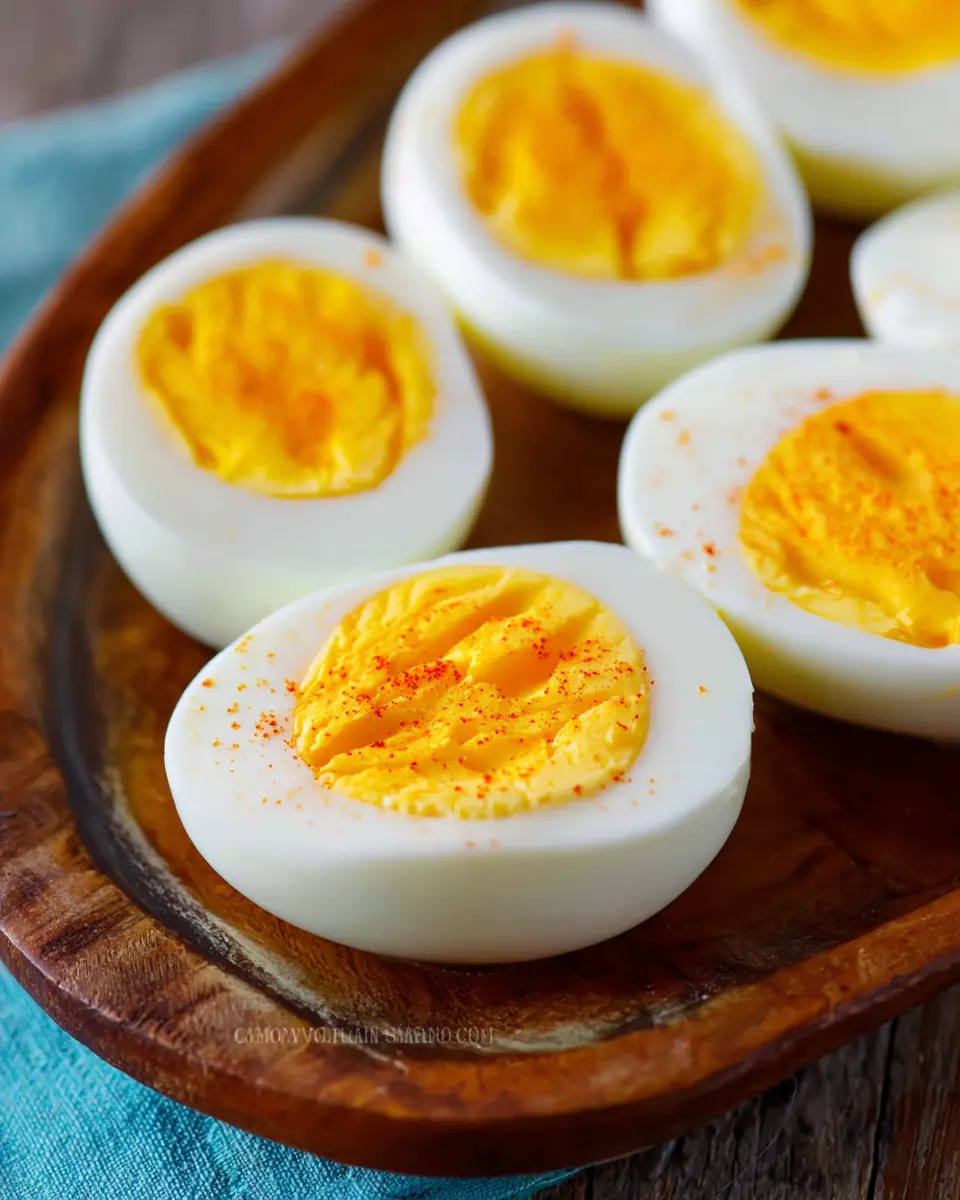
Hard-boiled eggs are a fantastic option for quick snacks or appetizers. Simply slice them in half, sprinkle with sea salt, and a dash of paprika for a crunchy, flavorful treat. You can also make delicious egg bites by mixing chopped turkey bacon or chicken ham with cream cheese and herbs, then spreading the mixture atop the halved eggs. They’re perfect for gatherings or enjoyed solo!
Creative salad additions
Elevate your salads with the addition of sliced hard-boiled eggs. They add not only protein but also a delightful creaminess. Toss them into classic salads, like Waldorf or Nicoise, for a culinary twist. Or try a simple green salad with arugula, cherry tomatoes, a squeeze of lemon, and sliced eggs. It’s a great way to transform any dish into a satisfying meal!
For more ideas on incorporating hard-boiled eggs, check out this article on salad variations.
Time Breakdown for Hard-Boiled Eggs
Preparation Time
Getting started is a breeze! You'll only need 0 minutes for prep. Just gather your large eggs and a pot of water, and you're ready to go.
Cooking Time
The cooking phase takes about 17 minutes. This duration ensures your hard-boiled eggs reach the perfect consistency, whether you like them fudgy or more crumbly.
Total Time
In just 22 minutes, you'll have beautifully cooked hard-boiled eggs ready to enjoy. That includes the time for cooling, ensuring they're easy to peel. It's a simple way to add a protein-packed snack to your day!
For more tips on egg cooking techniques, you can check out Serious Eats for deeper insights.
Nutritional Facts for Hard-Boiled Eggs
Calories per egg
A single hard-boiled egg contains approximately 63 calories. This makes them a fantastic low-calorie option for a snack or part of your meal.
Protein content
Each egg is a powerhouse of protein, offering around 6 grams. This high-quality protein is essential for muscle repair and overall health, making hard-boiled eggs a great choice for active lifestyles.
Key vitamins and minerals
Hard-boiled eggs are rich in important nutrients, including:
- Vitamin A (238 IU)
- Calcium (25 mg)
- Iron (1 mg)
These vitamins and minerals contribute to various bodily functions, from maintaining healthy vision to supporting bone strength. For more information on the health benefits of eggs, you can check out sources like the American Egg Board.
FAQs about Hard-Boiled Eggs
Why are my eggs hard to peel?
If your hard-boiled eggs are giving you trouble during the peeling process, it often comes down to freshness. Fresher eggs have a lower pH, which causes the egg white to bond tightly to the shell membrane, making them stickier and harder to peel. For easier peeling, try using eggs that are at least a week old.
Can I use older eggs for hard-boiling?
Absolutely! In fact, older eggs are better for hard-boiling, as their pH increases over time, making the shell easier to peel off. If you’ve got those eggs lingering in your fridge, now’s the perfect time to put them to use.
What’s the best way to store hard-boiled eggs?
To keep your hard-boiled eggs fresh, store them in their shell in the refrigerator. This helps maintain their moisture and protects them from absorbing odors. If you've peeled your eggs, be sure to place them in an airtight container and consume them within a few days. For more details on egg storage, consider checking out resources from the USDA.
Feel free to explore related articles on egg preparation and storage tips for even better results!
Conclusion on Hard-Boiled Eggs
Mastering the hard-boiled egg is a game-changer in your kitchen. With this easy peel method, you'll enjoy perfectly cooked eggs every time. Whether for breakfast or a quick snack, this technique simplifies your meal prep. Embrace the joy of effortless peeling and elevate your dishes with confidence!
Hard-Boiled Egg (No-Fail Easy Peel Method)
Equipment
- large pot
- slotted spoon
Ingredients
Eggs
- 6 count large eggs
Instructions
Cooking Instructions
- Pull the eggs out of the refrigerator first to let them warm up slightly on the counter.
- Fill the pot with water half way up and bring it to boil.
- Once water is boiling, use a slotted spoon to add the eggs carefully to the bottom of the pot.
- Lower the heat to slightly below medium and cover the pot with a lid.
- Let the eggs cook for 10-12 minutes, adjusting for desired yolk consistency.
- When time is up, pour off the hot water and run cold water over the eggs to shock them and cool them down.
- Once cooled, start peeling the egg by cracking it on a board and rolling it to create finer cracks.
- Grab the shell with the clear white membrane underneath and gently pull it off.
Leave a Reply