
Introduction to the Perfect Prime Rib Recipe
Why Homemade Prime Rib is a Game Changer
When it comes to culinary delights, nothing quite compares to a homemade prime rib. Serving prime rib at home is not just about the meal; it’s about creating an unforgettable tradition. You can elevate your cooking game with this perfect prime rib recipe, impressing your friends and family without the stress typically associated with restaurant dining. The satisfaction of pulling a beautifully roasted prime rib from your oven is a feeling like no other. Plus, nothing beats that scrumptious aroma wafting through your home!
Embracing the Slow Roast Method
The secret to an extraordinary prime rib lies in the slow roast method. This technique allows the meat to cook evenly, resulting in a tender, juicy roast with a delectable crispy crust. By cooking at a lower temperature after searing, the flavors meld beautifully, creating a culinary masterpiece that’s surprisingly easy to achieve. You can relax and enjoy the process, knowing that this foolproof method will deliver consistently delicious results—perfect for both novice and seasoned cooks. Embrace the slow roast, and you won't regret the delicious reward!
For more tips on cooking techniques, check out this guide on roasting meats.
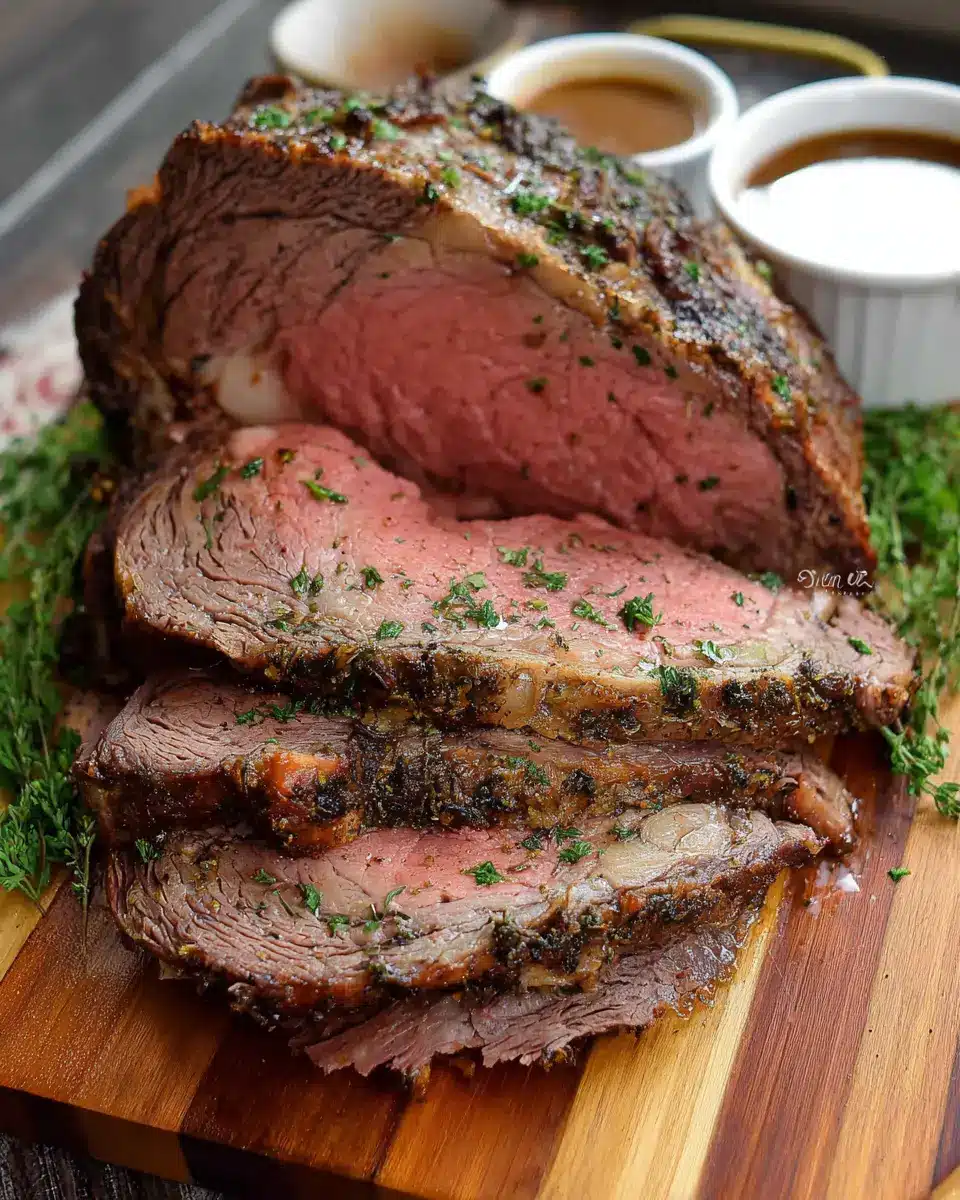
Ingredients for the Perfect Prime Rib Recipe
Crafting the ultimate perfect prime rib recipe begins with the right selection of ingredients. Here’s what you’ll need to create a mouthwatering main course that will impress any guest.
Essential Ingredients for the Prime Rib
- Prime Rib Roast: Aim for a 4.5 lb prime rib for optimal tenderness and flavor.
- Coarse Salt: Using 3-4 tablespoons of coarse salt not only seasons the meat but also helps in achieving that delicious juicy finish.
Seasoning Selection
To add a flavor-packed crust, you’ll want to gather the following:
- Olive Oil: About 3-4 tablespoons will help adhere the seasonings to the meat.
- Garlic: 8-10 pressed garlic cloves deliver a fragrant, savory kick.
- Dried Herbs: Gather 2 teaspoons each of crushed rosemary and thyme for a touch of earthiness.
- Black Pepper: A teaspoon of freshly cracked black pepper adds a mild heat.
- Garlic Powder: Lastly, a teaspoon of garlic powder amplifies that rich flavor profile.
For more inspiration, check out this guide on ingredient selection and preparation tips that can elevate your cooking game!
Preparing the Perfect Prime Rib
When it comes to preparing a perfect prime rib recipe, there's a certain finesse involved. Don’t worry, it’s easier than it sounds! By following these simple steps, you’ll be on your way to impressing your guests with a wonderfully tender and flavorful roast.
Step 1: Separating the Ribs
To start, you'll want to separate the rib bones from the meat. If you’re unsure about doing this yourself, your local butcher can do it for you. Here’s how to tackle it at home:
- Place the prime rib on a cutting board with the ribs facing up.
- Use a pairing knife to carefully slice along the rib bones, following their curve. Aim to be close to the bone for optimal separation.
- Pro Tip: Don’t toss the rib bones! They add a wonderful flavor to your pan drippings if you place them at the bottom of the roasting pan.
Step 2: Salt and Chill the Meat
Once separated, season the meat with coarse salt. Rub it generously all over, ensuring to get into all those lovely crevices of fat. This salt will draw out moisture and intensify the flavor—a technique that makes all the difference! After salting, wrap the roast tightly in plastic wrap and aluminum foil, then refrigerate it overnight. The longer, the better; it can rest for up to 18 hours!
Step 3: Preparing the Seasoning Mix
Now that the meat is prepped, it’s time to create your seasoning mix. Here’s what you’ll need:
- Olive oil
- Pressed garlic
- Dried herbs like rosemary and thyme
- Freshly cracked black pepper and garlic powder
Mix these ingredients in a bowl until well-combined. The olive oil will help the herbs stick to the meat, ensuring even distribution of flavor.
Step 4: Applying the Seasoning
After the overnight chill, remove the prime rib from the fridge and let it come to room temperature—this usually takes around 2-3 hours.
- Preheat your oven to 500°F and prepare a wire rack in a roasting pan.
- Pour your seasoning mix over the prime rib and rub it all over the meat. Make sure to cover all surfaces evenly to lock in those delicious flavors.
Step 5: Letting It Rest
Once cooked to perfection (around 120°F for medium-rare), take your prime rib out of the oven and tent it loosely with aluminum foil. This vital step allows the juices to redistribute throughout the meat, ensuring every slice is juicy and flavorful. Let it rest for about 20 minutes before carving. Remember, patience is key!
By following these steps, you'll master the perfect prime rib recipe, sure to be the centerpiece of your table and a hit among family and friends. If you're interested in pairing suggestions, consider a vibrant cranberry sauce to balance the richness of the prime rib. Enjoy and happy roasting!
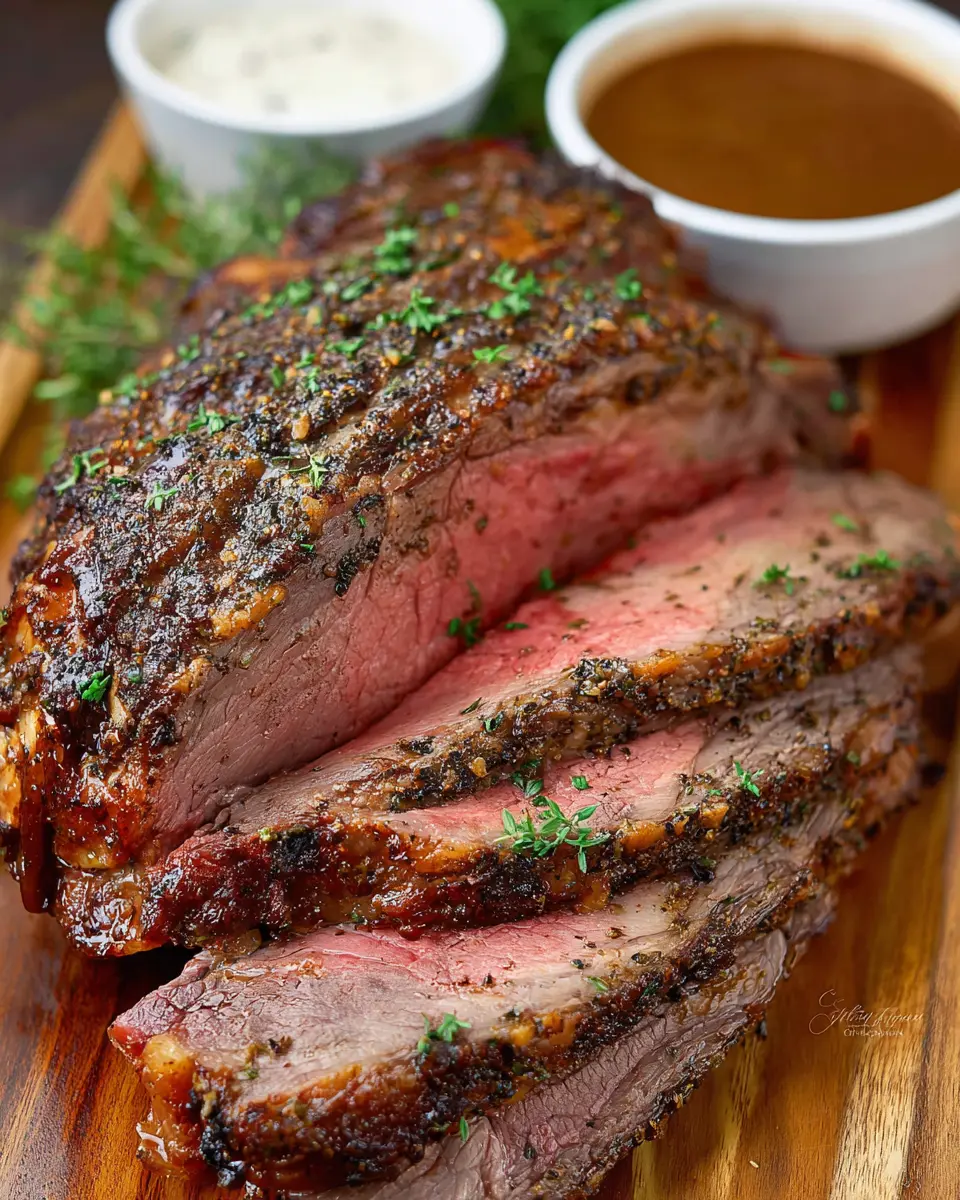
Cooking the Perfect Prime Rib
Cooking a perfect prime rib is an impressive feat that can elevate any dinner occasion, from holiday gatherings to special celebrations. With the right approach, you can achieve that restaurant-quality roast at home. Let’s walk through the crucial steps to ensure your prime rib turns out tender, juicy, and bursting with flavor.
Getting the Oven Ready
Start by setting up your kitchen for success. This involves preheating the oven to a sizzling 500°F. A wire rack should be placed inside a roasting pan to allow heat to circulate evenly around the meat. This initial high temperature will create a wonderful sear on the outside of the roast. Also, consider lining the bottom of the pan with foil to make cleanup a breeze—trust me, your future self will thank you!
Initiating the Roast
Once your oven is prepped, it’s time to initiate the roast. After bringing your seasoned prime rib to room temperature (approximately 2-3 hours out of the fridge), place it on the roasting pan. If you've used our perfect prime rib recipe, you've already salted and seasoned it with a delightful mixture of garlic, herbs, and olive oil. Pour this seasoning onto the meat, ensuring it’s evenly coated on every side. Don’t forget to insert a leave-in meat thermometer into the thickest part of the roast—it’s the best way to monitor doneness without opening the oven door.
Lowering the Temperature
After 15-20 minutes at 500°F, you’ll need to lower the temperature to 250°F. This slow-roasting method is key to achieving that melt-in-your-mouth texture. You'll want to cook the meat until it reaches about 120°F for medium-rare or 130°F for medium. An essential tip: keep an eye on the temperature reading, as it tends to rise another 5°F while resting.
Checking the Meat Temperature
Here's where your meat thermometer shines. It's crucial to check the internal temperature as the roast cooks. Depending on the thickness of your prime rib, cooking may take around 2 hours and 15 minutes. Use this estimate as a guide, but remember, the thermometer is your best friend here. This way, you will ensure your roast is just perfect without the guesswork!
Allowing the Prime Rib to Rest
Once you remove the roast from the oven, resist the urge to slice it immediately. Instead, gently tent it with aluminum foil and let it rest for about 20 minutes. This step is vital as it allows the juices to redistribute throughout the meat, ensuring each bite is as juicy and flavorful as possible.
By following these steps, you’ll serve up a perfect prime rib that will leave your family and friends raving. Pair with sides of your choice, and enjoy the deliciousness you’ve created! For more tips, consider checking out resources on meats from reliable culinary sites. Happy cooking!
Carving and Serving the Perfect Prime Rib
How to Carve Prime Rib Correctly
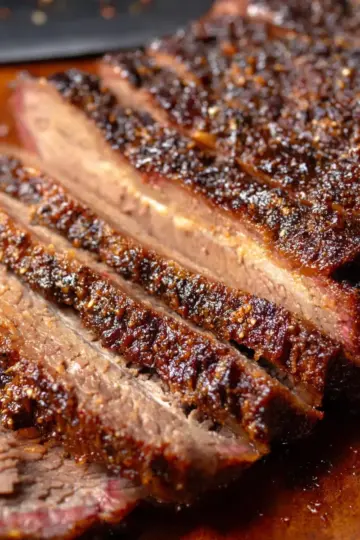
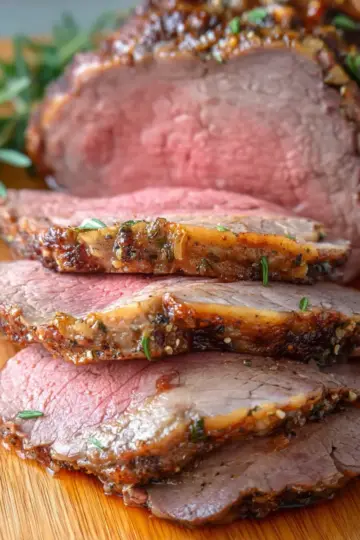
Once your prime rib has rested and reached the perfect temperature, it’s time to unleash its succulent goodness! Start by cutting off the twine to free the roast. Use a long, sharp knife to slice the meat against the grain, ensuring each slice is about ½ inch thick. This technique not only enhances tenderness but also elevates the visual appeal of your presentation. If you like, carve thicker slices to satisfy your hungry guests!
For a more polished look, consider arranging the slices on a platter in a cascading fashion. Adding a few sprigs of fresh herbs around the roast can also brighten the presentation. Remember, a perfect prime rib recipe deserves a stunning showcase!
Serving Suggestions to Impress
Now that you've achieved carving mastery, how about some serving suggestions? Pair your prime rib with a rich Au Jus for a delightful dip, or offer a tangy horseradish sauce for those who enjoy a bit of heat.
Add some roasted vegetables like Brussels sprouts or carrots on the side to balance the meal and offer a pop of color on the plate. Consider serving your guests with a refreshing, homemade lemonade or a simple iced tea to complement the flavors without overshadowing them.
For more tips on enhancing that dining experience, check out this guide on gourmet serving ideas. Happy serving!
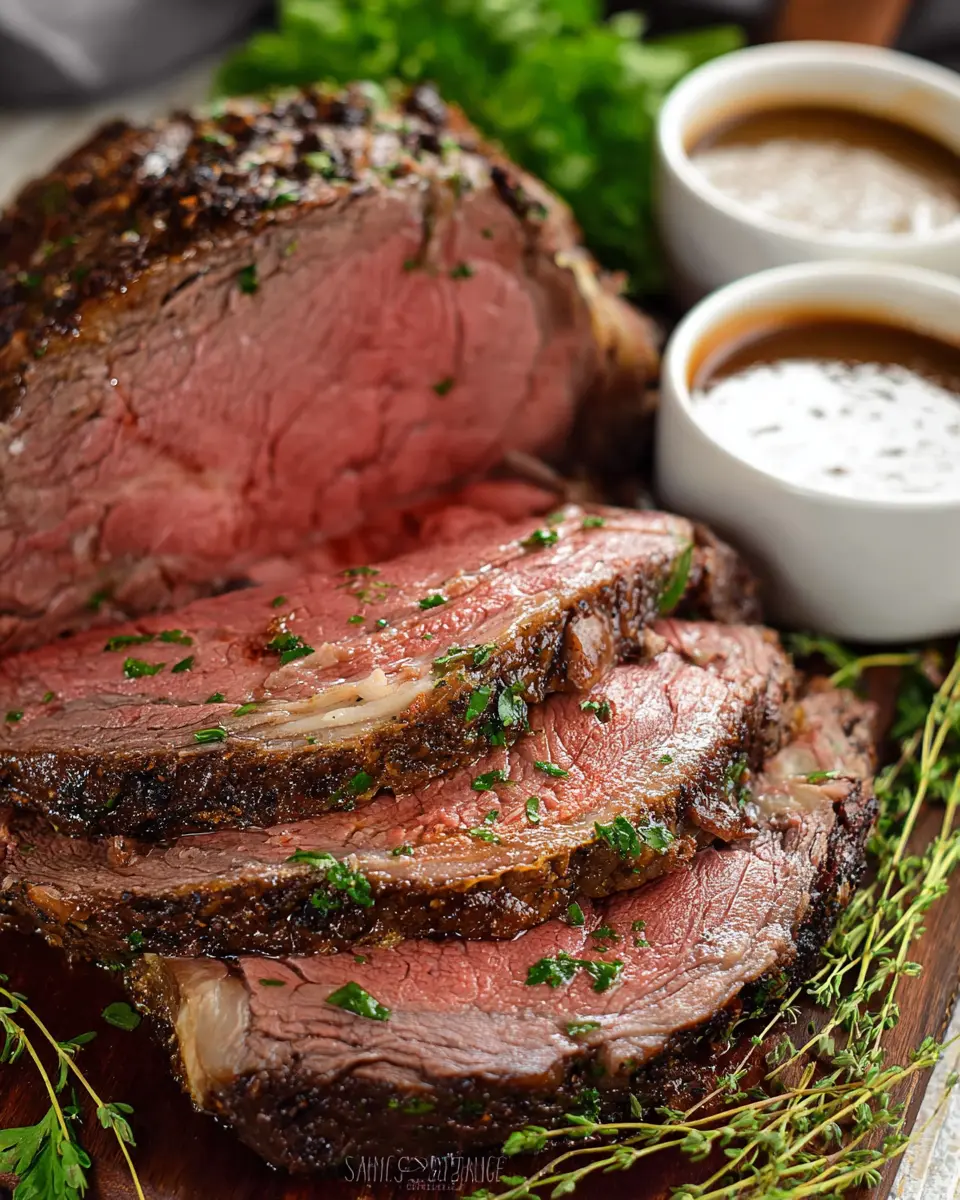
Time Breakdown for the Perfect Prime Rib
Preparation Time
Getting ready for this perfect prime rib recipe starts with about 20 minutes of preparation. This includes separating the ribs, salting the meat, and tying it up in preparation for its flavor-enhancing overnight rest.
Cooking Time
Once your prime rib is perfectly prepped and has had its time to salt, you’ll be looking at a cooking time of approximately 2 hours and 25 minutes as it slowly roasts to juicy perfection.
Total Time
Including the overnight salt-chill plus the cooking process, the total time comes to around 17 hours and 45 minutes. Sure, this seems long, but most of this is hands-off time. You’ll end up with a tender, flavorful masterpiece that's well worth the wait! For more detailed guidance, check out resources on meat cooking times for specific roast variations.
Nutritional Facts for the Perfect Prime Rib
Calories Breakdown
A serving of this perfect prime rib recipe clocks in at approximately 814 calories, making it a hearty meal option. The calorie distribution features about 73 grams of fat, coupled with 35 grams of protein—perfect for those high-protein dietary needs!
Nutritional Highlights
When preparing your prime rib, you’re not just indulging in a delicious feast; you're also benefiting from essential nutrients:
- Protein: 35g – Supports muscle growth and repair.
- Iron: 4mg – Promotes healthy blood circulation.
- Sodium: 2731mg – Adds flavor but make sure to balance with low-sodium sides!
- Saturated Fat: 29g – Important for hormone production; moderation is key.
Enjoy your perfectly crafted prime rib, and place it alongside fresh salads or roasted veggies for a balanced meal. For more insights on beef benefits, check resources like the American Meat Science Association to learn more!
FAQ about the Perfect Prime Rib Recipe
What if I can't find prime rib?
If prime rib isn't available, don't worry! Look for a good-quality ribeye roast or chuck roast instead. These cuts can provide similar flavors and tenderness, ensuring you still achieve a great meal. Your local butcher can help guide you to the best alternative.
Can I use a different cut of beef?
Absolutely! While the perfect prime rib recipe calls for prime rib, cuts like sirloin or brisket can also work well. Just remember that cooking times and methods might differ, so adjust accordingly. Aim for a cut with good marbling to maximize tenderness.
How do I know when the prime rib is cooked perfectly?
The best way to check for doneness is with a food thermometer. Look for:
- 120°F for medium-rare
- 130°F for medium
Remember, the temperature will rise slightly during resting. If you have any doubts, review this helpful guide on beef doneness levels from the USDA for extra confidence!
Conclusion on the Perfect Prime Rib Recipe
In conclusion, this perfect prime rib recipe transforms a simple dinner into an unforgettable feast. Using the overnight salt method ensures that each bite is tender and flavorful, while the slow-roasting technique makes it easy for anyone to achieve restaurant-quality results. Gather your friends and enjoy!
For more cooking inspiration, check out Serious Eats for comprehensive guides on roasting meats, or visit Bon Appétit for pairing suggestions that take your meal to the next level.
Perfect Prime Rib Recipe
Equipment
- roasting pan
- wire rack
- leave-in thermometer
- pairing knife
- kitchen twine
- plastic wrap
- aluminum foil
Ingredients
Prime Rib
- 4.5 lbs prime rib roast
- 3-4 tablespoon coarse salt depending on the size of the meat
Seasoning
- 3-4 tablespoon olive oil
- 8-10 cloves garlic pressed
- 2 teaspoon dried crushed rosemary
- 2 teaspoon dried thyme
- 1 teaspoon fresh cracked black pepper
- 1 teaspoon garlic powder
Instructions
Prepare Prime Rib
- Separate the ribs from the meat.
- Stand the prime rib on the cutting board, rib bone up.
- Using a pairing knife, carefully slice along the rib bone to separate the bone from the roast.
- Cut some of the fat cap off, but leave some to keep the prime rib tender.
- Generously rub the meat with coarse salt.
- Tie the prime rib with kitchen twine in 3-5 places.
- Cover tightly and refrigerate overnight or up to 18 hours.
Cooking Prime Rib
- Pull the meat out of the refrigerator 2-3 hours before cooking.
- Preheat oven to 500°F and set up a wire rack in the roasting pan.
- Combine garlic, olive oil, herbs, black pepper, and garlic powder in a bowl.
- Rub the seasoning all over the salted prime rib.
- Transfer prime rib to the roasting pan and insert leave-in thermometer.
- Cook at 500°F for 15-20 minutes, then lower to 250°F until desired temperature is reached.
- Cook until the roast reaches 120°F for medium-rare.
Carving Prime Rib
- Once the meat reached the temperature, let it rest for about 20 minutes.
- Slice the prime rib against the grain into ½ inch thick steaks.
Leave a Reply