
Introduction to Homemade Pizza Sauce
Creating your own homemade pizza sauce has never been easier or more rewarding. The rich flavors and fresh ingredients you can achieve at home far surpass anything you'll find in a jar. When you take the time to whip up your own sauce, you can tailor it to your specific taste preferences, ensuring a perfect match for your favorite toppings.
Why Homemade Pizza Sauce Beats Store-Bought Options
Store-bought sauces often rely on preservatives and artificial flavors, undermining the wholesome experience of pizza night. By making your own, you not only control what goes into your sauce but also elevate your culinary skills. Utilizing ingredients like fire-roasted diced tomatoes and fresh garlic allows your sauce to burst with flavor.
Plus, the satisfaction of saying you made your own sauce? Priceless. Whether you brush it on to create a classic Margherita or pile on your favorite toppings, your pizza becomes a canvas for creative expression.
If you're interested in learning more about high-quality ingredients, check out this guide to understand how fresh produce can enhance your cooking. Ready to dive into the specifics? Let’s get started on making that irresistibly delicious homemade pizza sauce!
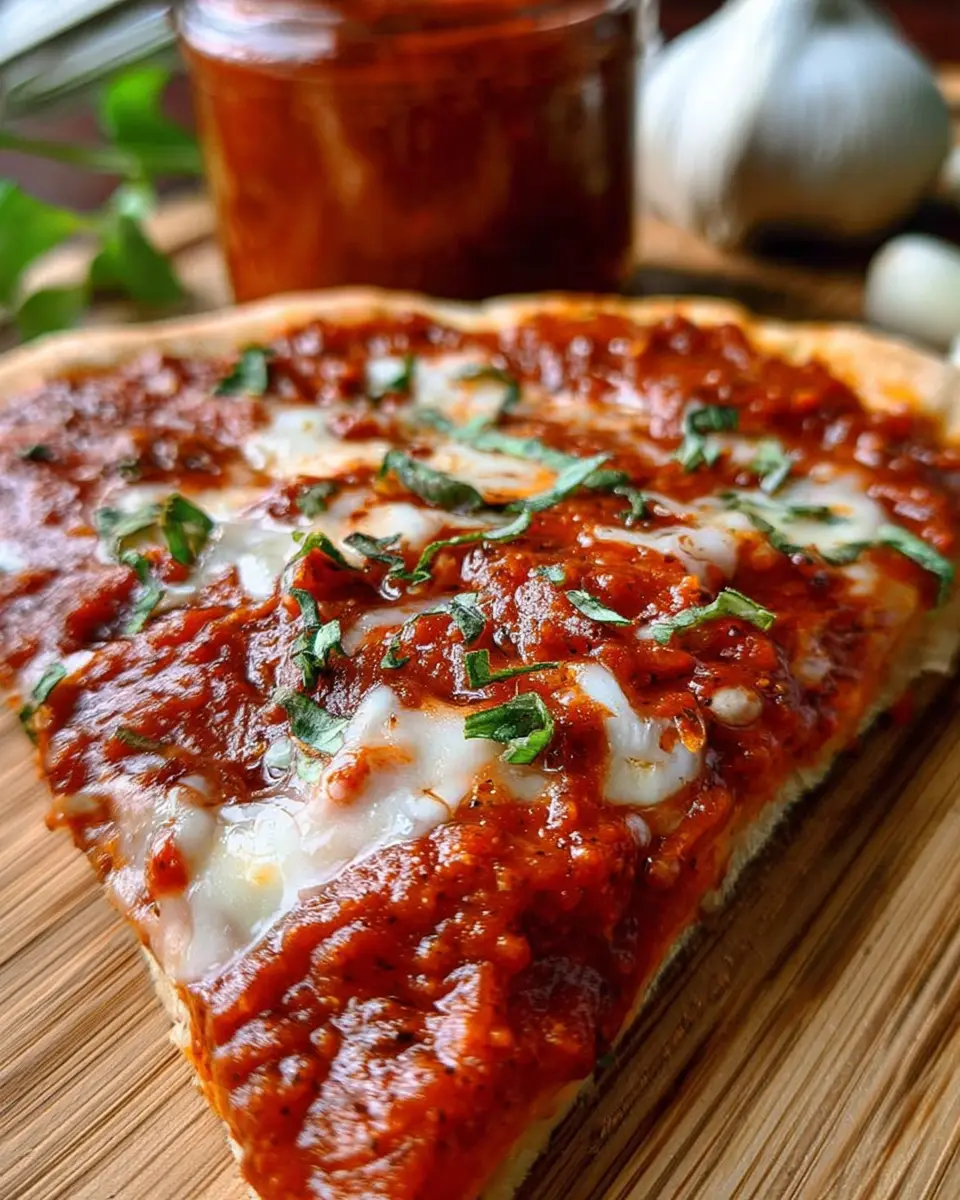
Ingredients for Homemade Pizza Sauce
Essential Ingredients You Probably Already Have
Creating your own homemade pizza sauce is a breeze with a few straightforward ingredients that you might already have in your pantry. Here’s what you'll need:
- 28 oz can fire roasted diced tomatoes: These add a rich, smoky flavor that elevates your sauce.
- 6 oz tomato paste: This thickens your sauce and intensifies the tomato flavor.
- 2 tablespoon olive oil: Perfect for a smooth base and a hint of freshness.
- 2 garlic cloves: Fresh garlic gives your sauce a delightful kick.
- 1 tablespoon dried oregano: A classic herb that brings that Italian essence.
- 1 teaspoon white granulated sugar: Helps balance the acidity of the tomatoes.
- 1 teaspoon garlic powder and 1 teaspoon onion powder: For an added depth of flavor.
- 1 ½ teaspoon salt: Adjust to taste for that perfect savory touch.
Optional Add-Ins to Customize Your Sauce
Feeling adventurous? You can tailor your homemade pizza sauce to suit your vibe! Here are some optional ingredients that can enhance your sauce:
- Crushed red pepper flakes: For those who love a spicy kick.
- Basil or thyme: Fresh or dried, these herbs can add a pleasant aroma.
- Bell peppers or olives: Blend in some chopped veggies for extra texture and flavor.
- Parmesan cheese: Stir in a bit for an umami boost.
Experimenting with these add-ins can transform your sauce into a delicious personal creation that makes your pizza nights even more special. If you're interested in a deeper dive into culinary herbs, check out the Herb Society of America for more inspiration!
Preparing Homemade Pizza Sauce
Creating your own homemade pizza sauce is an effortless way to elevate your pizza game. With just a few simple steps and common pantry ingredients, you can whip up a delicious sauce that far surpasses any store-bought alternative. Let’s dive into the process!
Gather and Prep Your Ingredients
Before you get started, make sure you have everything you need. Here’s a quick checklist:
- 28 oz can fire-roasted diced tomatoes
- 6 oz tomato paste
- 2 tablespoon olive oil
- 2 garlic cloves
- 1 tablespoon dried oregano
- 1 teaspoon white granulated sugar
- 1 teaspoon garlic powder
- 1 teaspoon onion powder
- 1 ½ teaspoon salt (adjust to your preference)
Being organized not only speeds up the process but also makes cooking more enjoyable. Have everything within arm's reach, and let’s get cooking!
Strain the Canned Tomatoes
Start by straining most of the liquid from the canned diced tomatoes. This step is essential for achieving that rich, thick consistency we all desire in a sauce. By doing so, you’ll prevent the sauce from being too watery and ensure that it clings perfectly to your pizza crust. If you're curious about other methods, check out this article on how to properly drain canned tomatoes.
Blending the Perfect Sauce
Now for the fun part! In a food processor or blender, combine the strained tomatoes, tomato paste, olive oil, minced garlic, and all the seasonings. Pulse until everything is completely blended into a smooth mix. The beauty of this step is that you can control the texture—blend in short bursts for a chunkier sauce or keep it going for a smoother finish. If you're a fan of experimenting with flavors, now is the time to add a pinch of your favorite chili flakes for some heat!
Adjusting Flavors to Your Taste
Remember, cooking is all about personal preference. Taste your sauce and adjust the flavors as needed. Do you think it needs a touch more salt? Perhaps a bit more sugar to balance the acidity? A dash of Italian seasoning can also be a delightful touch. These adjustments can transform your homemade pizza sauce into something tailored to your palate.
Storing and Freezing Your Sauce
If you’ve made more sauce than you can use right away, don’t fret! Store it in a glass jar with an airtight lid in the refrigerator, where it will last up to two weeks. Just make sure you’re using a clean spoon each time to scoop it out.
For longer preservation, portion the sauce into zip-top freezer bags. Squeeze out as much air as possible, seal, and label them. Your pizza sauce can be frozen for up to three months. When you’re ready for pizza night again, simply thaw a bag in the fridge overnight, and you’re all set!
Making homemade pizza sauce is a delightful and rewarding experience. With a little bit of preparation and creativity, you can whip up a sauce that not only enhances your pizza but makes every bite memorable!
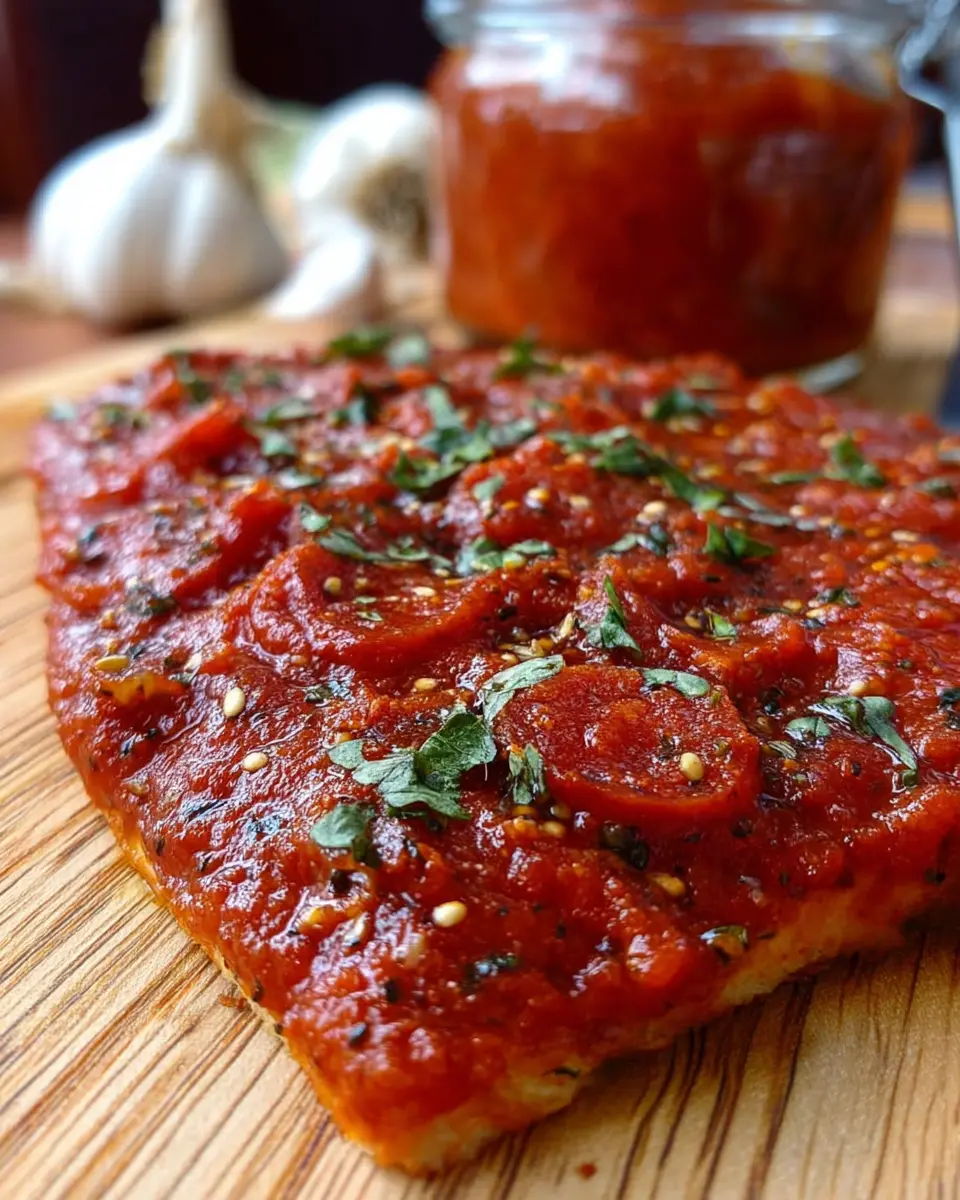
Variations on Homemade Pizza Sauce
Spicy Homemade Pizza Sauce
If you love a bit of heat, try creating a spicy homemade pizza sauce! Simply add crushed red pepper flakes or a splash of hot sauce during the blending process. For an extra kick, consider mixing in diced jalapeños or serrano peppers. Not only does this elevate the flavor, but it also adds a nice, vibrant color to the sauce.
Herbed Homemade Pizza Sauce
For a fresh twist, transform your homemade pizza sauce into an herbed delight. Mix in fresh basil, thyme, or oregano right before you blend. You could even experiment with adding a tablespoon of pesto for an aromatic touch. These herbs not only enhance the flavor but can also add a beautiful fragrance that will make your kitchen feel like a cozy Italian eatery.
By trying out these variations, you’ll never look at pizza sauce the same way again. Happy cooking! To dive deeper into pizza toppings and even more sauce variations, check out this guide from Serious Eats.
Cooking Tips and Notes for Homemade Pizza Sauce
Tips for the Best Flavor
For a vibrant homemade pizza sauce, use fire-roasted tomatoes—they add a depth of flavor that elevates your sauce. Fresh herbs like basil or parsley can be blended in for an extra layer of freshness. Experimenting with spices such as crushed red pepper can infuse a delightful kick, perfect for those who enjoy a little heat. Don’t forget to taste and adjust the seasoning; it’s the key to personalizing your sauce!
Storage Tips for Longevity
To keep your homemade pizza sauce fresh, store it in a glass jar with an airtight lid in the refrigerator. It can last up to two weeks if you use a clean spoon each time. If you want to make a batch ahead of time, consider freezing it in zip-top bags. Just thaw overnight in the fridge, and you're ready to create delicious pizzas anytime! For more on food storage, check out resources from the USDA.
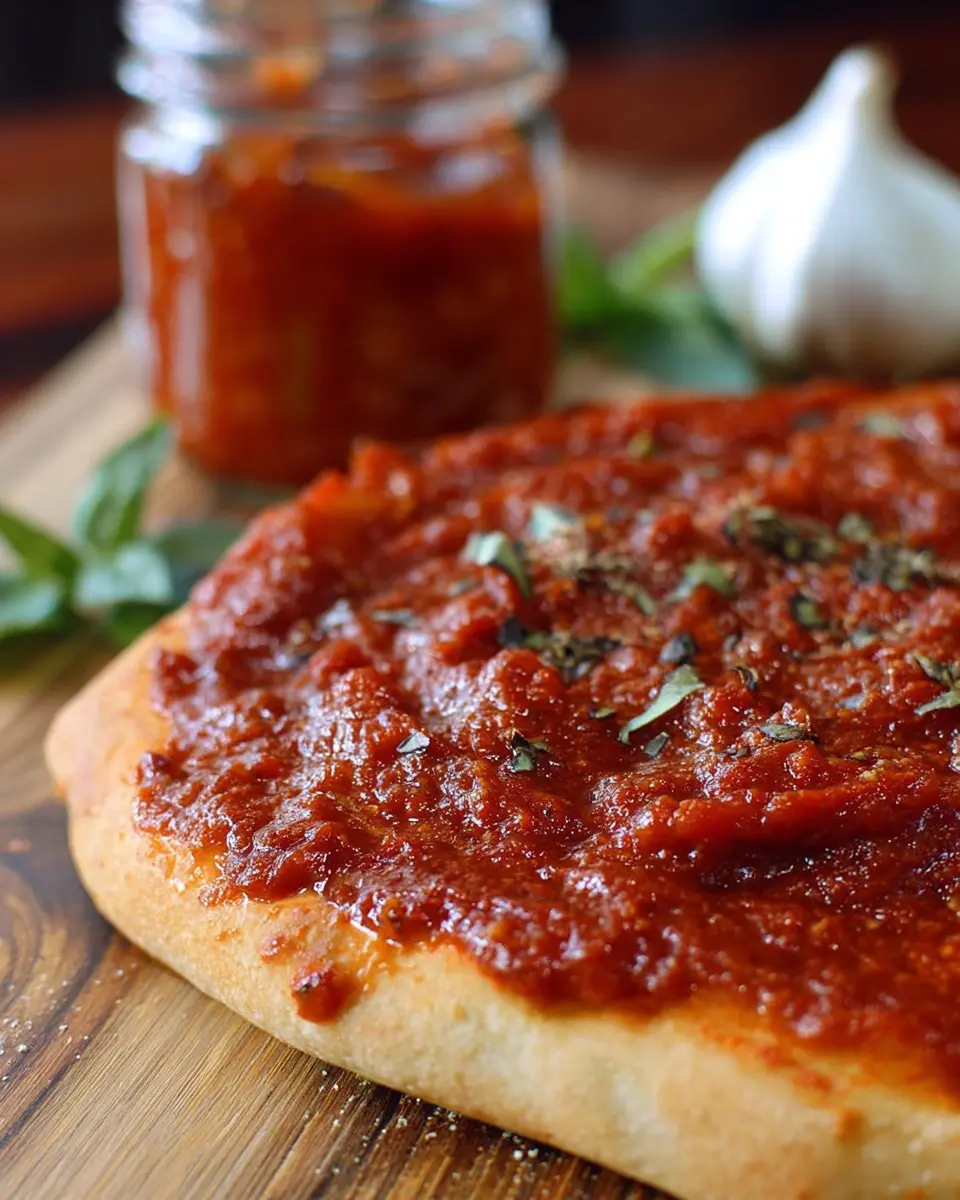
Serving suggestions for Homemade Pizza Sauce
Creative pizza ideas using your sauce
Once you've crafted your delicious homemade pizza sauce, the possibilities for pizza creations are endless!
- Classic Margherita: Layer fresh mozzarella and basil leaves for a simple yet satisfying pizza.
- Veggie Delight: Top with sautéed bell peppers, mushrooms, and spinach for a colorful feast.
- BBQ Chicken Pizza: Mix in some smoky BBQ sauce, chicken ham, and red onions for an exciting twist.
Feeling adventurous? Try adding unique toppings like feta cheese or artichokes for a gourmet experience!
Other uses for pizza sauce in meals
Your homemade pizza sauce isn't just for pizza! Here are some delightful ways to use it:
- Pasta: Toss it with spaghetti or penne for a quick and flavorful weeknight dinner.
- Dipping Sauce: Serve with garlic bread or mozzarella sticks as a delicious dip.
- Shakshuka: Use it as a base for this classic Middle Eastern dish, adding poached eggs for a hearty breakfast.
By keeping your pizza sauce on hand, you’ll have a versatile ingredient ready to elevate countless meals!
Time Breakdown for Homemade Pizza Sauce
Preparation Time
Making your own homemade pizza sauce is quicker than you might think! You’ll only need about 5 minutes for prep. That's right—just five minutes from start to finish! It’s perfect for those busy weeknights or when surprise guests drop by.
Total Time
In total, you’re looking at a mere 5 minutes to whip up a delicious batch of this homemade pizza sauce. It's the kind of recipe that lets you go from zero to pizza magic in no time.
So, whether you're gearing up for a cozy movie night or a spontaneous pizza party, this quick sauce will not disappoint! For more tips and pizza-making ideas, check out resources from the Pizza Association.
Nutritional Facts for Homemade Pizza Sauce
Understanding the nutritional profile of your homemade pizza sauce can enhance your meal planning and ensure you’re making a tasty yet healthy choice.
Calories
Each serving of this homemade pizza sauce packs in just 78 calories. This makes it a guilt-free option to elevate your favorite pizza without compromising on flavor!
Carbohydrates
With approximately 10 grams of carbohydrates per serving, this sauce contributes a modest amount to your daily carb intake. It’s perfect for pairing with a whole-grain crust or preparing a low-carb pizza option.
Sodium
Keep an eye on the sodium level, which is around 758 mg per serving. This is primarily due to the salt added for flavor. You can always adjust the salt to your preference, making it an easy way to manage sodium intake.
By making your homemade pizza sauce, you can enjoy robust flavors while being mindful of your nutritional choices. For more detailed nutritional insights, check out Healthline or MyFitnessPal. Happy cooking!
FAQ about Homemade Pizza Sauce
Can I use fresh tomatoes instead of canned?
Absolutely! If you're a fan of fresh ingredients, you can substitute fresh tomatoes for canned ones. Use about 2 to 3 cups of peeled and diced fresh tomatoes for this recipe. Just keep in mind that fresh tomatoes may require more cooking time to reach the desired thickness. You can even roast them beforehand for added flavor!
How long can I store homemade pizza sauce?
Once you’ve whipped up your delicious homemade pizza sauce, you can store it in the refrigerator for up to 2 weeks. Be sure to use a clean spoon each time you scoop out sauce to maintain freshness. For longer storage, consider freezing it in zip-top bags for up to 3 months. Simply thaw it in the refrigerator overnight whenever you're ready to use it again.
Can I make it vegan-friendly?
Yes, you can easily make your homemade pizza sauce vegan! This recipe is already inherently vegan as it doesn't include any animal-derived ingredients. Enjoy your sauce on a plant-based pizza with your favorite veggie toppings! For more vegan tips, check out VegNews for recipe inspiration.
Conclusion on Homemade Pizza Sauce
Crafting your own homemade pizza sauce elevates your pizza-making game and allows for customization to suit your taste buds. In just 5 minutes, you can whip up a fresh, flavorful sauce that surpasses anything from a jar. Why settle for less when creating delicious memories is this easy?
For more culinary inspiration, check out Fine Cooking's tips on pizza making or explore various topping ideas that will pair perfectly with your homemade sauce!
Homemade Pizza Sauce
Equipment
- Food Processor
- blender
- glass jar with air-tight lid
Ingredients
- 28 oz fire roasted diced tomatoes
- 6 oz tomato paste
- 2 tablespoon olive oil
- 2 cloves garlic
- 1 tablespoon dried oregano
- 1 teaspoon white granulated sugar
- 1 teaspoon garlic powder
- 1 teaspoon onion powder
- 1.5 teaspoon salt more or less to taste
Instructions
- Strain off most of the liquid from canned diced tomatoes.
- Combine diced tomatoes, tomato paste, olive oil, garlic, and seasonings in a food processor or a blender. Pulse until completely blended.
- Use to make pizza right away or store.




Leave a Reply