
Introduction to Greek Meatballs (Keftedes)
The allure of homemade Greek meatballs
There’s something undeniably satisfying about preparing a batch of homemade Greek meatballs, or keftedes, in your own kitchen. These little flavor-packed balls of goodness are an essential part of Greek cuisine and are loved for their crispy exterior and tender, juicy insides. With the right spices and a touch of fresh herbs, keftedes can transport your taste buds straight to a sun-drenched Mediterranean island.
Imagine gathering your friends or family for a casual dinner, serving up a platter of these delightful meatballs alongside creamy tzatziki sauce. They're perfect for an appetizer or a main dish. Plus, they hold the key to a fantastic mezze platter when paired with olives and cheeses. Not only are they delicious, but the process of making them can be a fun cooking experience.
If you're ready to dive into the heart of Greek flavors, these meatballs are a great place to start. The ingredients are simple, yet the result is anything but! Spice them up with a bit of lemon zest and fresh mint, and you’ve got a dish that's both vibrant and comforting. It’s time to roll up your sleeves and get cooking!

Ingredients for Greek Meatballs (Keftedes)
Essential Ingredients for the Perfect Meatball
Creating delightful Greek meatballs, or keftedes, requires a few essential ingredients that bring flavor and texture together. You'll need:
- Ground Meats: A combination of lean ground beef and ground lamb offers a balanced flavor. If you prefer, you can substitute with ground pork.
- Bread and Milk: Soaked bread binds the meat and adds moisture. Use day-old bread for the best texture.
- Aromatics: Freshly grated onion and minced garlic boost the flavor profile immeasurably.
- Herbs and Spices: Fresh mint, ground coriander, oregano, cumin, and a touch of cinnamon take these meatballs to the next level.
- Eggs: A whole egg and an extra yolk ensure the meatballs hold their shape while cooking.
Optional Ingredients to Elevate Your Dish
Want to kick your Greek meatballs up a notch? Consider adding:
- Parmesan Cheese: A sprinkle of grated cheese can add a delightful richness.
- Chopped Cilantro or Parsley: For a burst of fresh flavor, mingle parsley or cilantro into the mix.
- Chili Flakes: For those who like a bit of heat, red pepper flakes work wonderfully.
Feel free to experiment with these additions to create your perfect version! Looking for more tips? Check out guides on choosing the best olive oil for your cooking.
Step-by-step preparation of Greek Meatballs (Keftedes)
When it comes to weaving together flavors and textures, Greek meatballs, or keftedes, are a winner. Whether you're planning a cozy dinner or a lively gathering, these meatballs are sure to impress. Let's dive into the process step by step!
Soaking the bread for texture
Start by taking a slice of day-old or toasted bread and cubing it. Place it in a small bowl and cover it with whole milk. Let it soak for about 5 minutes. This step is crucial as it gives the meatballs a tender, moist texture—trust me, it makes all the difference! Squeeze out any excess milk after the bread has soaked—this keeps the mixture from getting too soggy.
Sautéing onions and garlic for flavor
Next up, let’s enhance the flavor! In a large skillet, heat 2 tablespoons of extra virgin olive oil over medium heat. Add in one grated yellow onion and 3 minced garlic cloves. Sauté until they're golden and translucent. This aromatic combo will elevate your keftedes, adding depth and savory goodness. Once done, transfer them to a large mixing bowl and set it aside to cool while you prepare the next steps.
Mixing the meatball ingredients
Now, it’s time to mix up that meatball magic! To the bowl with the cooled onion and garlic, add the soaked bread. Then it’s time for the protein: 1 pound of lean ground beef and half a pound of either ground lamb or pork—my go-to is lamb for that classic flavor. Don’t forget one whole egg, another egg yolk, and a generous bunch of chopped fresh mint. Season it with spices like ground coriander, dried oregano, and ground cumin. Feel free to get creative here; perhaps a pinch of cinnamon and nutmeg too! Mix everything by hand until well combined.
Shaping the meatballs to perfection
Once your mixture is ready, it’s time to put it into shape! Form the mixture into balls about the size of a heaping tablespoon. If you find the mix a bit wet, roll the meatballs into some all-purpose flour for a light coating. Place them on a large tray. This little trick will help achieve that beautiful crispy outer layer when frying.
Frying for that crispy outer layer
In the same skillet you used for the onions, heat an additional ¼ cup of olive oil over medium-high heat. Once the oil shimmers, reduce the heat to medium and carefully add the meatballs. Cook them for about 10 minutes, turning occasionally to ensure an even golden crust. If your skillet isn’t large enough, frying in batches is a great way to keep things manageable.
Creating the lemony sauce
After frying, use a slotted spoon to transfer the meatballs to paper towels to drain. In the same skillet, whisk an egg yolk with chicken broth, lemon juice, and the zest of one lemon. Discard most of the cooking fat, then return the skillet to medium heat. Add your meatballs back in and pour the lemony mixture over them. Let it simmer for about 5 minutes, allowing the sauce to thicken and envelop the meatballs with that tangy flavor.
Finalizing and serving your masterpiece
It's time to enjoy your creation! Serve these delicious Greek meatballs piping hot with pita bread, a refreshing Greek salad, or a cool, creamy tzatziki sauce. They also shine in a pita pocket or over rice. The options are endless!
With these step-by-step instructions, making keftedes at home becomes a breeze. Whether you’re hosting friends or simply treating yourself, these meatballs are bound to be a hit. Happy cooking!
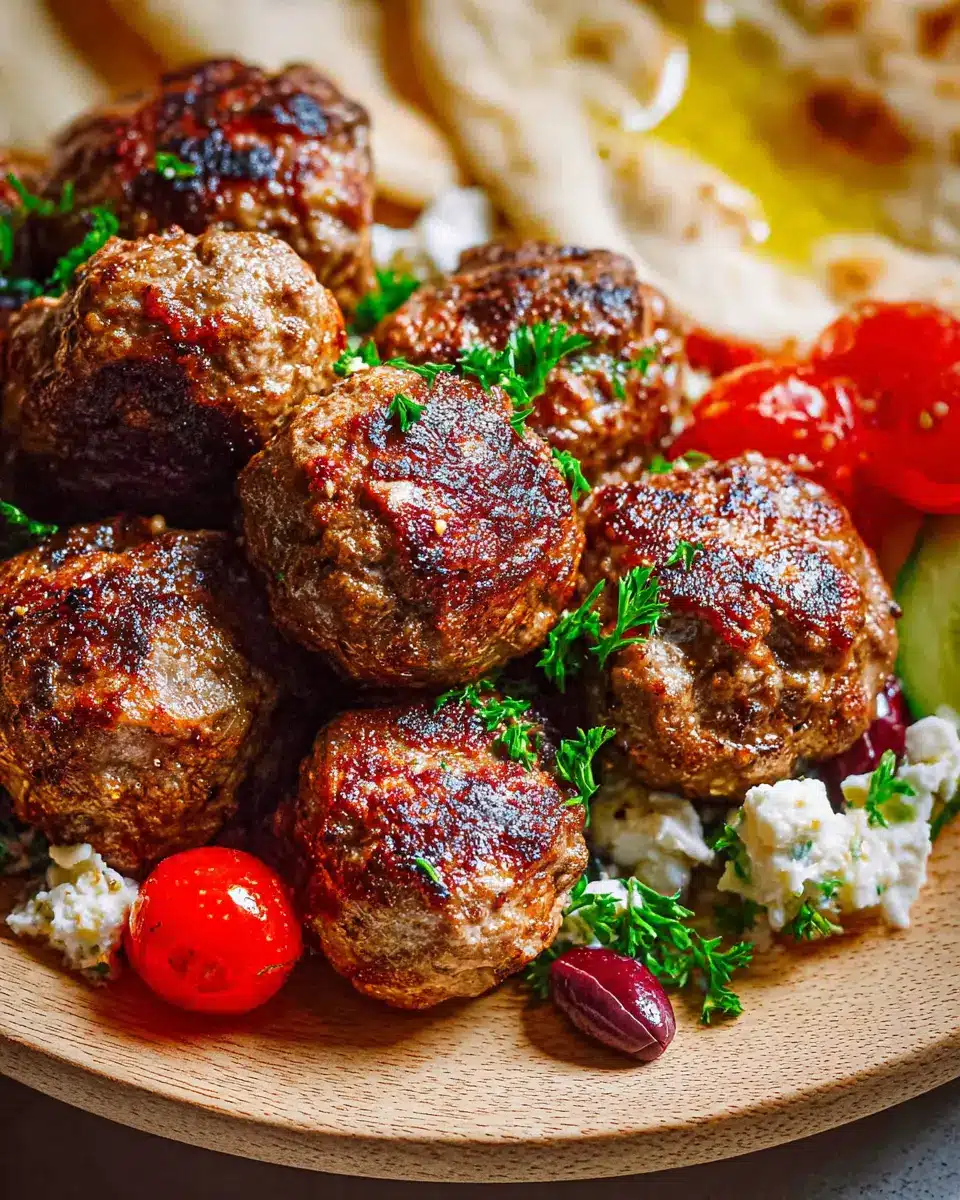
Variations on Greek Meatballs (Keftedes)
Vegetarian alternatives for meatball lovers
If you adore Greek meatballs but are looking for a meat-free option, consider making vegetarian keftedes with lentils or chickpeas. Simply cook the legumes, mash them up, and mix with grated vegetables, herbs, and spices. You can also try incorporating ingredients like quinoa and feta for added flavor and texture. These alternatives still pack a punch with their spices and fresh herbs, making them perfect for dipping in tzatziki or adding to a mezze platter.
Unique flavor profiles to explore
Don’t hesitate to get creative with your Greek meatballs! For a twist, try adding feta cheese and sun-dried tomatoes to your mixture, or infuse them with Mediterranean spices like sumac or za’atar. Even the classic kefalotyri cheese can bring a savory depth that you'll love. When experimenting with ingredients, think about pairing your meatballs with different sauces or marinades—like a spicy harissa or a tangy tahini—to elevate the dish and surprise your taste buds.
Feel free to embrace these variations on Greek meatballs for your next gathering!
Cooking tips and notes for Greek Meatballs (Keftedes)
Achieving the perfect texture and flavor
To ensure your Greek Meatballs are tender yet crispy, use fresh, high-quality ingredients. Mixing ground beef with a bit of lamb adds richness. Also, don't overmix when combining your ingredients—just enough to combine them will keep your meatballs light and airy. A dash of cinnamon and nutmeg can elevate the flavor profile. For an additional layer of crunch, consider dredging them in flour before frying.
Tips for making meatballs in advance
Planning ahead? You can easily make these delightful meatballs in advance! Shape them and store them in an airtight container in the refrigerator for up to 24 hours. They’re also freezable—just remember to separate layers with parchment paper to prevent sticking. When you’re ready to enjoy, you can cook them directly from frozen, adding an extra few minutes to the cooking time. This way, you’ll always have a tasty appetizer or main dish ready to go! For an easy dipping sauce, whip up some tzatziki or serve with a refreshing Greek salad.

Serving suggestions for Greek Meatballs (Keftedes)
Creative ways to serve Greek meatballs
Looking to add a twist to your serving style? Greek meatballs (keftedes) are versatile! Try them in mini pita sandwiches, topped with fresh veggies and a drizzle of tzatziki. For a fun appetizer, arrange them on skewers with cherry tomatoes and cucumber slices for an appealing bite-sized treat. You might even consider serving them atop a bed of seasonal roasted vegetables for a nutritious and vibrant meal.
Pairing ideas for a complete meal
To complement your Greek meatballs, think about side dishes that bring out their flavor. A classic Greek salad bursting with crisp cucumbers, ripe tomatoes, and kalamata olives is always a crowd-pleaser. You can also serve them alongside warm, fluffy pita bread to soak up that delicious lemony sauce. For an extra touch, consider adding a refreshing yogurt-based dip featuring herbs or citrus. These pairings not only enhance your meal but also create a delightful Mediterranean dining experience!
Time Breakdown for Greek Meatballs (Keftedes)
Preparation Time
Getting ready to whip up Greek meatballs is a breeze! You’ll want about 15 minutes for preparation. This includes soaking the bread and prepping your ingredients, so you can maximize flavor without wasting time.
Cooking Time
Once everything is ready, cooking these savory delights takes around 20 minutes. You'll fry the meatballs to crispy perfection, then simmer them in that irresistible lemony sauce.
Total Time
All in all, you’re looking at a delightful 35 minutes from start to finish. Perfect for a quick dinner or a stunning appetizer. Ready to get started? For more delicious inspiration, check out our Mediterranean recipes!
Nutritional Facts for Greek Meatballs (Keftedes)
When indulging in these delicious Greek Meatballs, it’s great to know the nutritional values they pack. Here’s a quick overview:
Calories
Each meatball contains roughly 66.9 calories, making them a relatively light choice that can still satisfy your cravings.
Protein
With about 4.7 grams of protein per meatball, they’re a fantastic source of lean protein, perfect for fueling your day.
Sodium
Keep your sodium intake in check as each serving has approximately 55.6 milligrams of sodium. This makes them a heart-smart option for a tasty meal.
Knowing these numbers helps you enjoy your keftedes guilt-free! For more on Mediterranean nutrition, consider exploring resources from the Mediterranean Diet Foundation. Enjoy your cooking!
FAQs about Greek Meatballs (Keftedes)
What are the best ways to store meatballs?
To keep your Greek meatballs fresh, store them in an airtight container in the fridge for up to four days. If you want to maintain their flavor and juiciness, consider layering the meatballs with parchment paper between them. This prevents sticking and is ideal for reheating later.
Can I freeze Greek meatballs?
Absolutely! These delicious meatballs freeze beautifully. Once they've cooled completely, place them in a single layer on a baking sheet and freeze until solid. Then, transfer them to a freezer-safe bag or container. They’ll last for up to three months. When you're ready to enjoy them again, simply thaw in the fridge overnight and reheat!
What should I serve with Greek meatballs?
Greek meatballs are incredibly versatile! Serve them with a refreshing Greek salad, warm pita bread, or a zesty tzatziki sauce for dipping. They also make a great addition to a mezze platter. Explore different options to find your perfect pairing!
For more delicious ideas, check out our Mediterranean platter guide.
Conclusion on Greek Meatballs (Keftedes)
Making Greek meatballs at home is a delightful experience. Embracing homemade meals allows you to explore vibrant flavors and create lasting memories with loved ones. Whether served as part of a mezze platter or in a cozy dinner bowl, these keftedes are sure to impress and satisfy your culinary cravings.
Embracing the Joy of Homemade Meals
There’s something special about preparing meals from scratch. The aroma of sautéed onions and spices fills the kitchen, inviting everyone to gather. Cooking Greek meatballs is not merely about the finished dish—it's a chance to connect, share stories, and even experiment with flavors.
Why not dive into this culinary adventure? Beyond the recipe, consider pairing your keftedes with a refreshing tzatziki sauce or a vibrant Greek salad for a complete Mediterranean experience. As you serve your Greek meatballs, watch as smiles replace words, and enjoy the satisfaction of sharing a meal made with love.
For inspiration on tasty sides, check out our recipes for tzatziki sauce and Greek salad! Enjoy the journey of cooking and the delicious destination it brings.

Greek Meatballs (Keftedes)
Equipment
- large skillet
- mixing bowl
- slotted spoon
- measuring cups
- measuring spoons
Ingredients
Bread and Dairy
- 1 slice day-old or toasted bread, cubed
- ⅓ cup whole milk
Meat and Eggs
- 1 pound lean ground beef
- ½ pound ground lamb or pork
- 1 whole egg
Herbs and Spices
- ¼ cup chopped fresh mint leaves
- 1 tablespoon ground coriander
- 1 teaspoon dried oregano
- 1 teaspoon ground cumin
- ½ teaspoon ground cinnamon
- ¼ teaspoon ground nutmeg
- 3 lemons, zested and juiced
- Kosher salt
- Black pepper
Cooking Essentials
- ¼ cup extra virgin olive oil for frying the meatballs
- 1 ¼ cups chicken broth
- all purpose flour for dredging
Instructions
Preparation
- Soak the bread. Add the bread to a small bowl and cover with the milk. Set aside for 5 minutes.
- Meanwhile, saute the onions and garlic. In a large skillet, heat 2 tablespoons of the olive oil over medium. Add the onions and garlic and cook until golden and translucent, stirring regularly. Transfer to a large mixing bowl and allow to cool. Set the skillet aside for later.
- Make the meatball mixture. Squeeze out the excess milk out of the soaked bread and add to the bowl with the onions and garlic. Add the ground beef and lamb (or pork), whole egg, fresh mint, spices, 1 tablespoon of the lemon zest, and a good pinch or two of salt and pepper. Mix by hand until mixture is fully incorporated.
- Shape the meatballs. Form the meat mixture into balls (each the size of a heaping tablespoon.) Roll meatballs into the flour to lightly coat and place them on a large tray for now.
- Fry the Greek meatballs. In the large skillet you used earlier, heat the remaining ¼ cup olive oil over medium-high. When the oil shimmers, turn the heat to medium and add the meatballs. Cook, turning occasionally, until fully cooked and well-crusted on all sides, about 10 minutes. (Do this in batches if necessary to avoid overcrowding.)
- Make the lemony sauce. Use a slotted spoon to transfer the meatballs to paper towels to drain. Whisk the egg yolk with chicken broth, lemon juice, and remaining lemon zest. Carefully discard most of the cooking fat and return the skillet to medium heat. Add the lemon mixture to the skillet, then add the meatballs back in. Cook over medium heat for another 5 minutes until the lemon sauce thickens.
- Finish and serve. Serve hot in bowls with pita bread, Greek salad and Tzatziki sauce. Or serve in pita pockets as sandwiches, or over rice, if you prefer.




Leave a Reply