
Introduction to Vegetable Soup
Why Everyone Should Love Vegetable Soup
Vegetable soup is one of those comforting classics that everyone should have in their culinary repertoire. It’s not just a dish; it’s a cozy embrace in a bowl! Packed with nutrients, flavors, and a rainbow of veggies, this vegetable soup makes it easy to get your daily dose of goodness. Did you know that consuming a variety of vegetables can help promote heart health and improve digestion? According to the Centers for Disease Control and Prevention, incorporating more fruits and vegetables into your meals can significantly reduce chronic disease risk.
What I love most about vegetable soup is its versatility. You can toss in whatever veggies you have on hand, and each batch can be unique. Whether it’s a chilly evening or you just want a light, healthy meal, this soup fits perfectly. Plus, it’s an economical option—great for using up leftover produce that might otherwise go to waste.
Imagine coming home after a long day, and the aroma of simmering vegetables fills your kitchen. It’s not only easy to make but also a great opportunity to experiment with different herbs and spices. So grab a pot, and let’s dive into making a delightful bowl of vegetable soup that warms the soul!
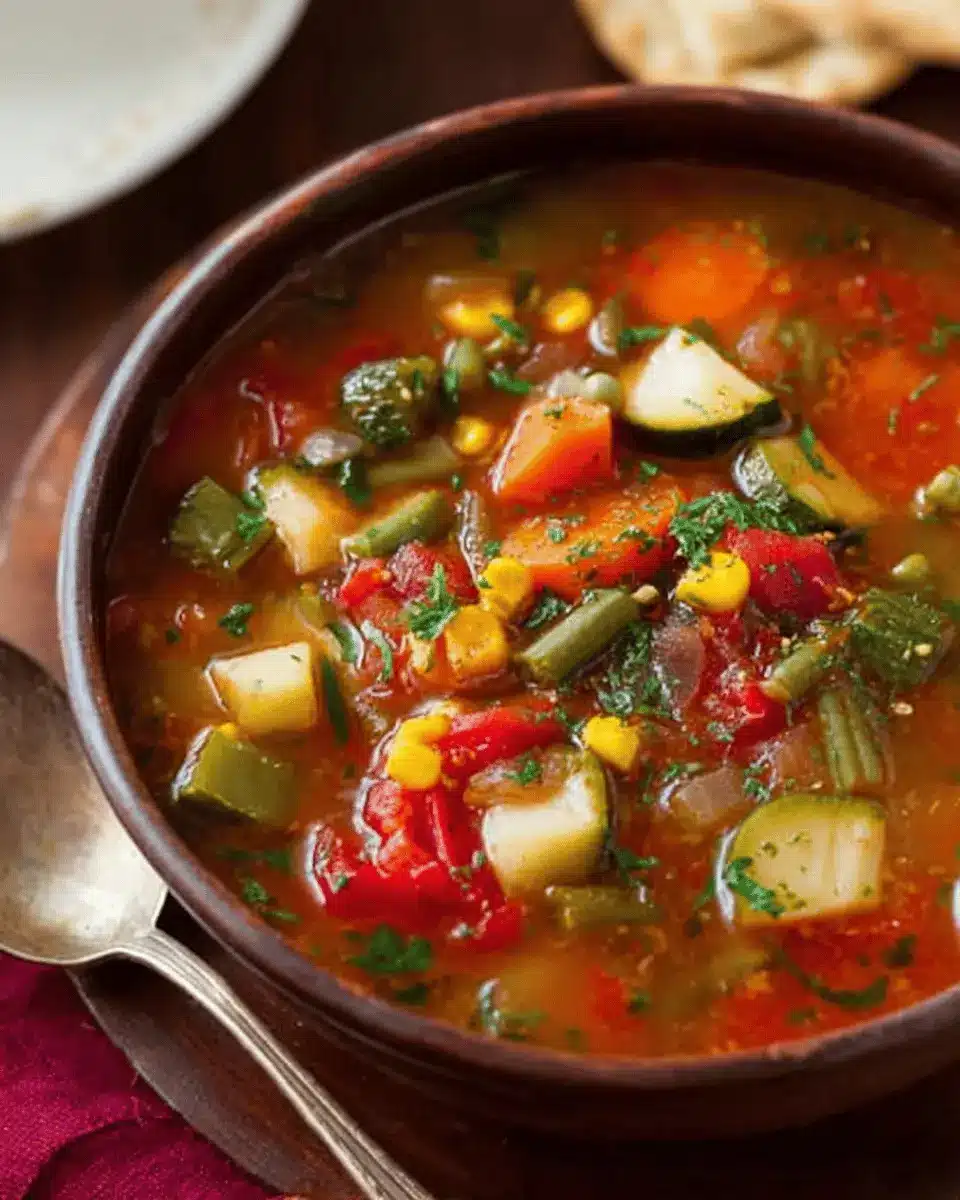
Ingredients for Vegetable Soup
Creating a warm and comforting vegetable soup doesn’t have to be complicated. With the right ingredients, you can make a delicious bowl of goodness that nourishes both the body and spirit.
Key Ingredients for a Hearty Vegetable Soup
To start, here’s what you’ll need for your soup base:
- Olive oil: Adds richness and helps sauté the aromatic veggies.
- Onion, carrots, and celery: The classic aromatics that create a flavor foundation.
- Garlic: Just a few cloves really ramp up the flavor profile.
- Broth: Low-sodium chicken or vegetable broth gives depth to the soup.
- Diced tomatoes: For a burst of acidity and color.
- Potatoes: They add heartiness and texture.
- Fresh parsley and bay leaves: Provide freshness and additional layered flavors.
- Dried thyme: A must-have herb that complements the veggies.
Optional Ingredients for Extra Flavor
Feel free to customize your soup with these extras for a flavor boost:
- Herbs: Basil, oregano, and rosemary can introduce new dimensions.
- Seasonal veggies: Consider adding zucchini, spinach, or bell peppers for variety.
- Parmesan rind: Simmering this in your soup can infuse rich umami notes.
- Fresh or frozen beans and peas: For added protein and texture.
Looking for more insights? Check out these resources on the benefits of vegetable soups and explore herb pairings to elevate your kitchen game!
Preparing Vegetable Soup
Making a delicious vegetable soup is straightforward and rewarding. Not only does it give you a cozy meal, but it's also a great way to sneak in some extra nutrients. Ready to dive in? Let's walk through the steps together!
Gather Your Fresh Ingredients
Before you start cooking, it's essential to gather your fresh ingredients. This preparation makes the cooking process smooth and enjoyable. Here’s what you’ll need:
- Olive oil: For sautéing the base.
- Chopped yellow onion: One medium onion adds a flavorful touch.
- Carrots and celery: These classic aromatics create a solid flavor foundation.
- Garlic: Four cloves will add a lovely depth.
- Broth: Low-sodium chicken or vegetable broth is key.
- Canned diced tomatoes: They add a bit of acidity and sweetness.
- Potatoes: Peeled and diced for heartiness.
- Fresh parsley, bay leaves, and thyme: To enhance the soup's flavor.
- Beans, corn, and peas: For that colorful and healthy finish.
Feel free to customize with any veggies you have on hand; this soup is very forgiving and flexible!
Sauté the Base Vegetables
In a large pot, heat two tablespoons of olive oil over medium-high heat. Once it’s hot, toss in your chopped onions, carrots, and celery. Sauté the mixture for about four minutes until the onions become translucent. Then, just before they’re fully cooked, add in the minced garlic and sauté for another 30 seconds. The aroma is incredible, and you’re just getting started!
Add in the Liquids and Seasonings
Now it’s time to elevate your vegetable soup. Pour in the broth, followed by the canned tomatoes, potatoes, fresh parsley, and bay leaves. Sprinkle in thyme and salt and pepper to your taste. This is where you can get creative—consider adding additional herbs or spices, like basil or oregano, to build layers of flavor.
Bring to a Boil and Incorporate Veggies
Bring your mixture to a gentle boil. Once boiling, incorporate in the green beans. These will add both texture and nutritional value to your soup.
Simmer to Perfection
Reduce the heat to medium-low to let your soup simmer. Cover and allow it to cook for 20 to 30 minutes, or until the potatoes are tender. This slow simmer deepens the flavors beautifully. After that, add your corn and peas, cooking for another five minutes.
Voilà! Your hearty vegetable soup is ready to warm your soul. Serve it hot and enjoy the blend of flavors that bring comfort to any table.
For more cooking tips, check out The Kitchn or Serious Eats for inspiration! Happy cooking!
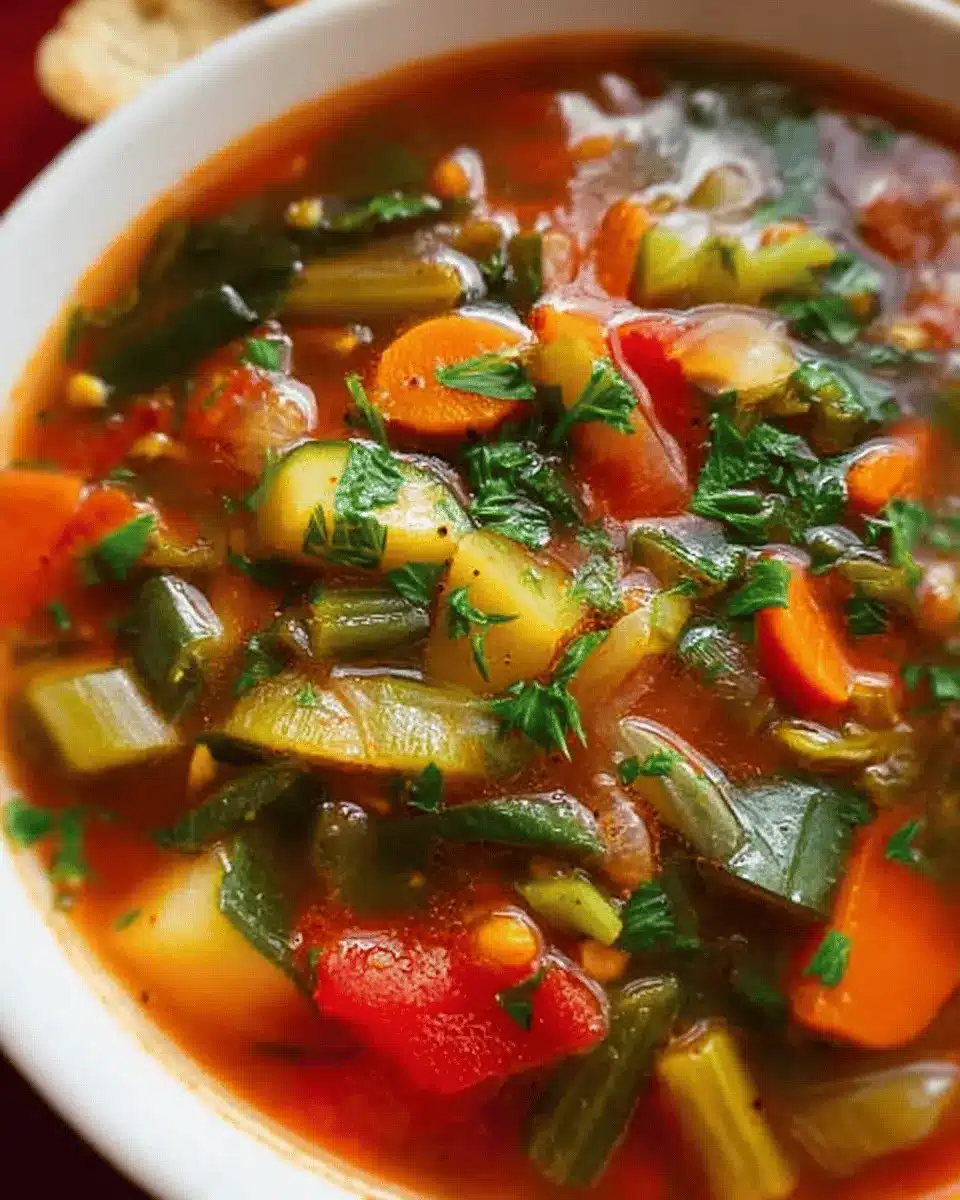
Variations on Vegetable Soup
Spicy Vegetable Soup for Heat Lovers
If you enjoy a bit of heat, try adding some diced jalapeños or a dash of hot sauce to your vegetable soup. The spice will elevate the flavor profile and provide a wonderful contrast to the vegetables. You can also incorporate crushed red pepper flakes or even swap in some spicy sausage for a heartier version. And don’t forget, a sprinkle of cayenne pepper can intensify that extra kick!
Creamy Vegetable Soup Twist
For those days when you're craving comfort, blend a portion of your vegetable soup after cooking to create a creamy texture. Stir in a splash of coconut milk or heavy cream for richness. Adding pureed cauliflower will give it a smooth body without the calories of heavy cream. Not only does this variation provide a treat for your taste buds, but it also introduces delightful layers of flavor.
Remember, the heart of a great vegetable soup lies in its versatility; feel free to experiment with spices and textures to suit your palate!
Cooking Tips for Vegetable Soup
Flavor-boosting methods
Enhancing your vegetable soup flavor is easier than you think! Start with fresh herbs like basil, oregano, and thyme for a fragrant kick. Consider using homemade broth, as it can elevate the flavor profile immensely. Don’t forget to include a parmesan rind during simmering—just remember to remove it before serving. And if you're feeling adventurous, a splash of lemon juice at the end can really brighten things up!
Keeping it fresh and vibrant
To ensure your vegetable soup maintains its freshness, always add delicate vegetables like peas and corn towards the end of cooking. This keeps them vibrant and adds a satisfying crunch. Additionally, using a variety of colorful vegetables not only makes the soup visually appealing but also provides a range of nutrients. Squeeze in some fresh lemon juice before serving for a zesty touch that invites everyone to dig in!
For more vegetable soup ideas, check out Food Network or Serious Eats. Enjoy your cooking adventure!
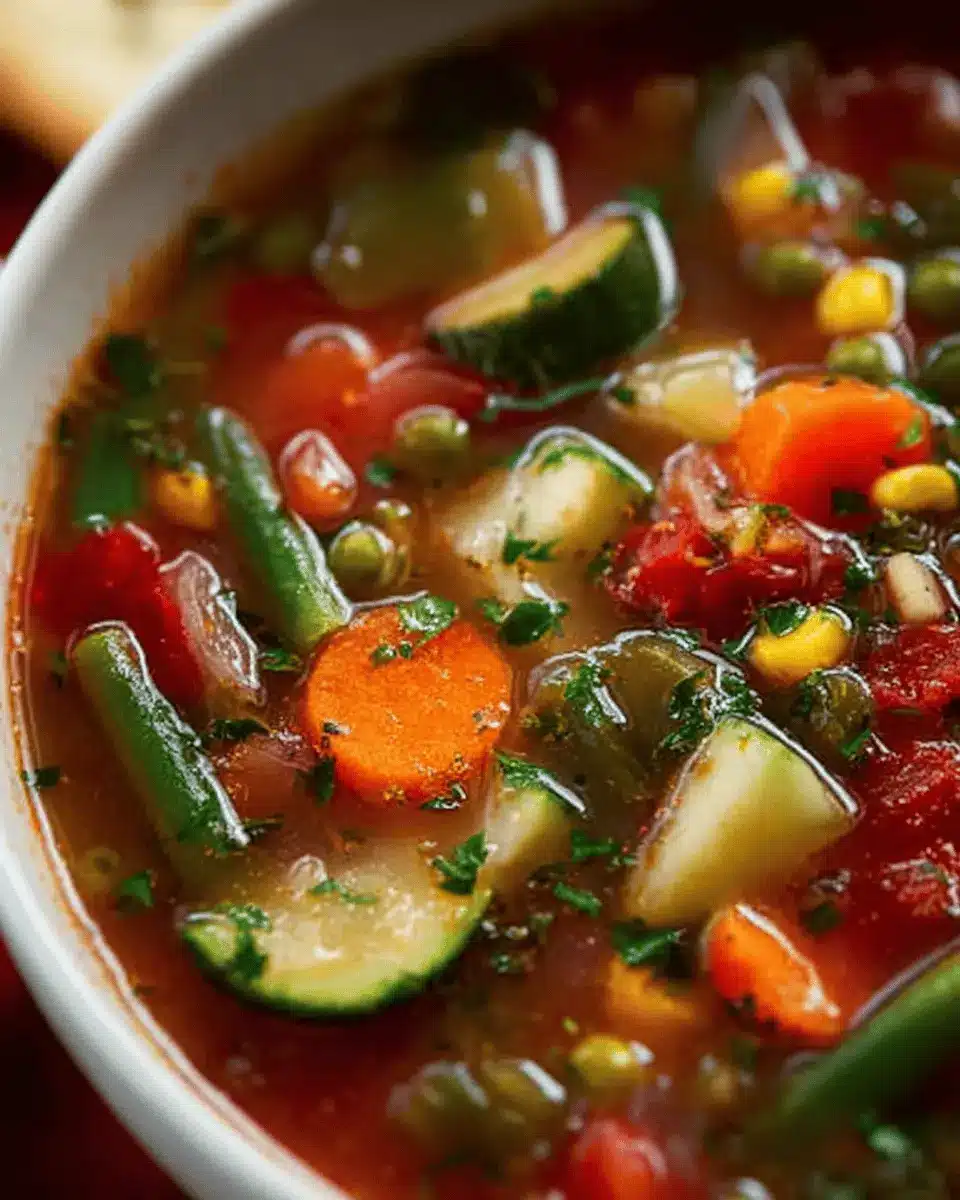
Serving suggestions for Vegetable Soup
Perfect pairings for your soup
Vegetable soup is versatile and pairs beautifully with a variety of sides. Consider serving it with:
- Crusty bread: a warm, rustic loaf for dipping takes the experience to a new level.
- Grilled cheese sandwiches: the gooey goodness is a classic comfort food combo.
- Fresh salads: a light garden salad complements the hearty soup and adds a refreshing crunch.
- Quinoa or rice: for added nutrients and texture, stir in some cooked quinoa or serve with fluffy rice on the side.
Serving style options
Get creative with how you serve your vegetable soup. Here are some ideas to elevate your meal:
- Individual bowls: serve in charming, rustic bowls for that cozy feel.
- Bread bowls: hollowed-out sourdough loaves bring an earthy taste and fun presentation.
- Toppings station: offer toppings like feta cheese, fresh herbs, or a drizzle of balsamic glaze to let guests customize their bowls.
- Thermal carafes: keep soup warm in stylish thermal carafes for a buffet-style meal.
These suggestions can turn your vegetable soup into a delightful dining experience that’s perfect for any occasion! For tips on how to elevate your soup further, check out this expert guide on the nuances of pairing soups with sides.
Time breakdown for Vegetable Soup
Preparation time
To kick off your cooking adventure, you’ll spend about 15 minutes chopping and organizing the ingredients. This step is all about making your cooking flow smoothly.
Cooking time
The cooking process takes approximately 40 minutes. As you sauté and simmer, the delightful aromas will fill your kitchen, making it hard to resist a taste!
Total time
In just 55 minutes, you’ll have a heartwarming pot of vegetable soup ready to enjoy. Perfect for busy weeknights or meal prep for the week ahead!
For more tips on making the perfect soup, check out this guide for expert advice and variations!
Nutritional Facts for Vegetable Soup
Calories per serving
This delicious vegetable soup packs in approximately 100 calories per serving, making it a great option for those looking to enjoy a hearty meal without the extra calories.
Key nutrients
Not only is it low in calories, but it's also rich in essential nutrients:
- Vitamin A: Supports eye health and the immune system.
- Vitamin C: Great for skin health and helps your body absorb iron.
- Fiber: Aids digestion and keeps you full longer.
Dietary considerations
This vegetable soup is naturally vegetarian and can easily be made vegan by using vegetable broth instead of chicken broth. It's also gluten-free if you select a certified gluten-free broth. With a colorful mix of fresh veggies, it caters to nutrient needs while providing comfort food vibes!
For more detailed nutritional insights, consider checking the USDA's food data (USDA FoodData Central).
So, whether you’re looking to warm up on a chilly day or simply enjoy a healthy homemade dish, this soup might just become a staple in your kitchen!
FAQs about Vegetable Soup
Can I freeze vegetable soup?
Absolutely! Freezing vegetable soup is a fantastic way to prolong its life and have a comforting meal ready whenever you need it. Just make sure to let the soup cool completely before transferring it to airtight containers or freezer bags. It will keep in the freezer for about 3 months. When you're ready to enjoy it, simply thaw it in the fridge overnight and reheat on your stovetop or in the microwave.
How do I store leftovers?
To store leftovers, allow your vegetable soup to cool down to room temperature, then place it in an airtight container. In the fridge, it can last up to 4 days. If you find yourself with a big batch, freezing is a great option. For best results, portion it out for easy reheating.
What can I add to make it heartier?
If you want your vegetable soup to be more filling, consider adding some protein-rich ingredients like cooked lentils, beans, or even shredded chicken ham or turkey bacon for a meatier touch. Quinoa or barley can also contribute to a satisfying texture. Don't forget to play around with your favorite spices and herbs for added depth! For more tips on modifying your soup, check out Jane's Kitchen (link here for more ideas).
Conclusion on Vegetable Soup
Why homemade vegetable soup is a must-try
Homemade vegetable soup isn’t just a meal; it’s a warm hug in a bowl. Packed with nutrients and customizable to your taste, it's healthier than canned options and easy to prepare. Plus, it’s perfect for meal prep, ensuring you have a delicious, hearty dish ready for busy days. Try it today and savor the difference!

Vegetable Soup
Equipment
- large pot
Ingredients
Base Ingredients
- 2 tablespoon olive oil
- 1 ½ cups chopped yellow onion (1 medium)
- 2 cups peeled and chopped carrots (about 5)
- 1 ¼ cups chopped celery (about 3)
- 4 cloves garlic minced
- 4 (14.5 oz) cans low-sodium chicken broth or vegetable broth
- 2 (14.5 oz) cans diced tomatoes (undrained)
- 3 cups peeled and ½-inch thick diced potatoes (from about 3 medium)
- ⅓ cup chopped fresh parsley
- ½ teaspoon dried thyme or 1 tablespoon fresh thyme leaves
- Salt and freshly ground black pepper to taste
- 1 ½ cups chopped frozen or fresh green beans
- 1 ¼ cups frozen or fresh corn
- 1 cup frozen or fresh peas
Instructions
Cooking Steps
- Heat olive oil in a large pot over medium-high heat.
- Add onions, carrots, and celery and saute 4 minutes then add garlic and saute 30 seconds longer.
- Add in broth, tomatoes, potatoes, parsley, bay leaves, thyme and season with salt and pepper to taste.
- Bring to a boil, then add green beans.
- Reduce heat to medium-low, cover and simmer until potatoes are almost fully tender, about 20 - 30 minutes.
- Add corn and peas and cook 5 minutes longer. Serve warm.




Leave a Reply