
Introduction to White Cake Recipe
When it comes to classic desserts, there’s something truly special about a white cake recipe. This beloved treat is cherished for its tender crumb and versatility, making it a go-to choice for celebrations ranging from birthdays to weddings. The neutral flavor of white cake perfectly complements a variety of frostings and fillings, allowing bakers to unleash their creativity.
But why is it such a popular dessert? For starters, white cake boasts a light and airy texture that pairs beautifully with rich toppings like vanilla buttercream or fresh fruit. Moreover, it serves as a blank canvas, inviting endless opportunities for customization. You can easily dress it up with colorful decorations, layers of fruit, or a drizzle of chocolate ganache.
According to the American Journal of Dessert Studies, cakes are often associated with happiness and celebration, making them a symbol of joy during significant life events. So whether you’re baking for a special occasion or simply treating yourself, this easy white cake recipe is sure to impress. Let’s dive into the details—your delicious adventure begins here! For helpful baking tips and inspiration, consider checking out some baking resources like King Arthur Baking and The Cake Blog.
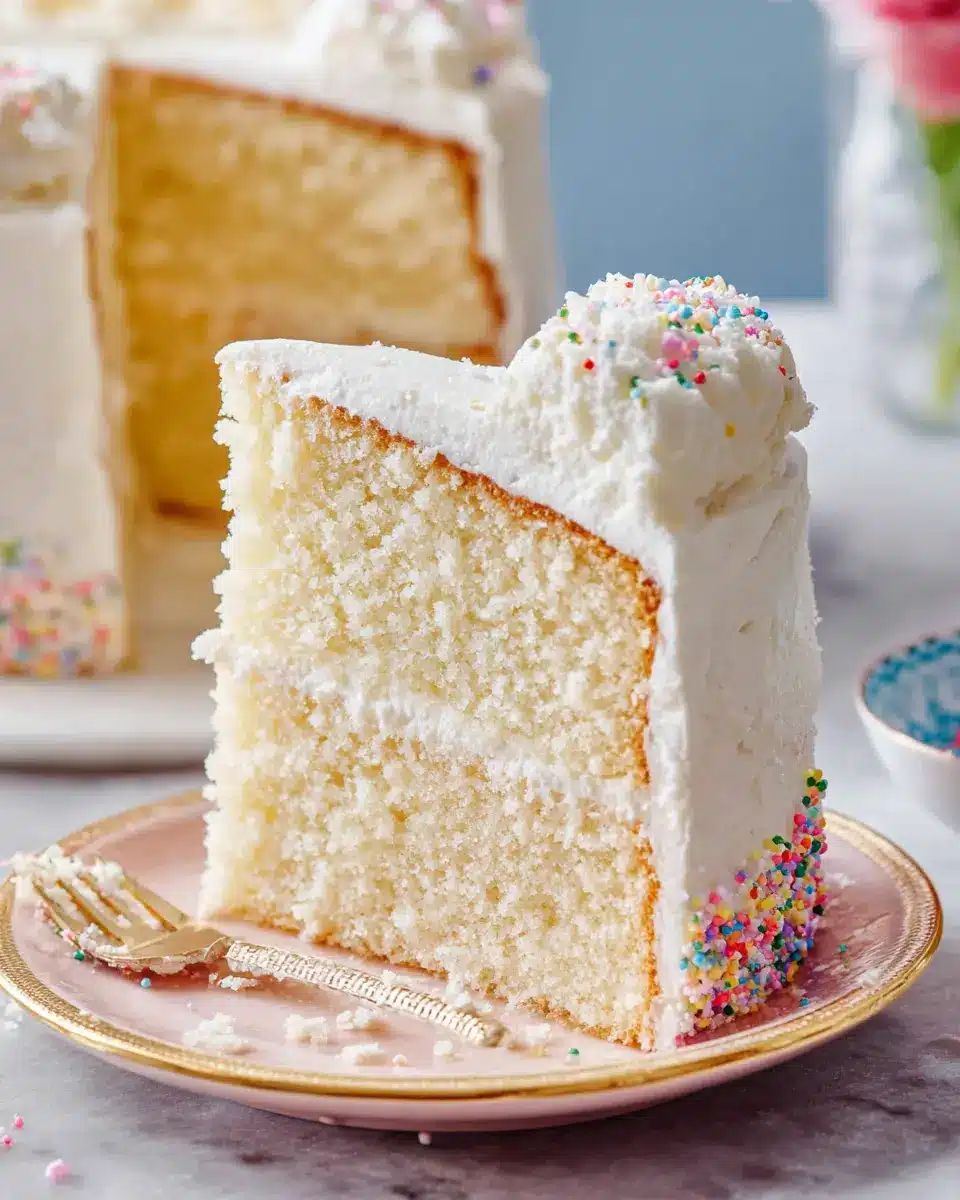
Ingredients for White Cake Recipe
When baking your perfect white cake, it’s essential to gather the right ingredients for a delightful outcome. Here's what you'll need:
Essential ingredients for the cake
To create a moist and fluffy cake, these core ingredients are vital:
- All-purpose flour: 3 cups (360g) provide the structure.
- Baking powder: 2 teaspoons, ensuring a nice rise.
- Salt: ¾ teaspoon, enhancing flavor.
- Granulated sugar: 2 cups (400g) for sweetness and moisture.
- Unsalted butter: 1 cup (227g), softened for richness.
- Vanilla extract: 2 teaspoons, giving that classic flavor.
- Egg whites: 5 large, contributing to lightness.
- Whole milk: 1 cup (240ml), which adds tenderness.
Feel free to explore other helpful tips on baking techniques at King Arthur Baking.
Key ingredients for the frosting
To top your white cake with a creamy finish, gather these essential frosting ingredients:
- Unsalted butter: 1½ cups (340g) for a smooth texture.
- Confectioner’s sugar: 5 cups (600g), adding sweetness and stability.
- Vanilla extract: 2 teaspoons for added flavor.
- Whole milk: 1-4 tablespoons, adjusting for your desired consistency.
With these ingredients, you'll be well on your way to crafting a delicious white cake recipe that will impress friends and family alike! Happy baking!
Step-by-step Preparation of White Cake Recipe
Creating a delightful white cake can be a great way to spend an afternoon in the kitchen. Follow these simple steps to achieve a moist and fluffy cake, perfect for any occasion!
Preheat the oven and prepare pans
First off, you'll want to preheat your oven to 350°F (175°C). While that's heating up, take two 8-inch round cake pans and lightly grease them using baking spray or a bit of butter and flour. Make sure to line the bottoms with parchment paper. This small step helps to ensure your cake layers will slide right out without breaking!
Combine dry ingredients
In a medium bowl, whisk together 3 cups of all-purpose flour, 2 teaspoons of baking powder, and ¾ teaspoon of salt. This combination is the foundation of your cake. Mixing these dry ingredients first helps evenly distribute the baking powder for that perfect rise. Set this bowl aside while you attend to the next delicious step.
Cream the butter and sugar
In a large mixing bowl, use an electric mixer to beat 1 cup of softened unsalted butter on medium speed until it's creamy—about 30 seconds. Then, add in 2 cups of granulated sugar. Beat this mixture until it’s light and fluffy, which usually takes about 3 minutes. This air incorporation is crucial for a fluffy cake!
Incorporate egg whites and extracts
Next, add 5 large egg whites one at a time to the butter-sugar mixture, mixing well after each addition. Don't forget to scrape down the sides of the bowl now and then to make sure everything is well combined! Finally, mix in 2 teaspoons of vanilla extract and ½ teaspoon of almond extract (if you're opting for the almond flavor). This burst of flavor is what brings your white cake recipe to life!
Alternate adding dry ingredients and milk
Now, turn the mixer to low speed, and start adding the flour mixture alternately with 1 cup of whole milk (room temperature works best). Begin with a third of the flour, add half the milk, and repeat this process until you’ve mixed in all the dry and wet ingredients.
Bake and cool the cake layers
Divide the batter equally between your prepared pans and pop them in the oven. Bake for 35 to 40 minutes, or until the centers spring back when pressed gently. Once done, let the cakes cool in the pans for about 10 minutes, then transfer them to wire racks to cool completely.
Make the vanilla buttercream frosting
While the cakes are cooling, whip up a batch of vanilla buttercream frosting. In a large mixing bowl, beat 1½ cups of unsalted butter until smooth. Gradually mix in 5 cups of confectioners' sugar, maintaining a low speed to avoid the sugary cloud. Add 2 teaspoons of vanilla extract and milk until you achieve your desired consistency.
Assemble the cake
Once your cake layers are cool, it’s time to layer! Place one cake layer on a cake stand, spread a generous amount of frosting over it, and then lay the second layer on top. Finish off the cake by frosting the top and sides. Feel free to get creative with decoration—maybe some sprinkles or fresh fruit?
By following these simple steps, you can enjoy a deliciously classic white cake that’s perfect for birthdays, anniversaries, or just because! Don't forget to share your cake creations and let us know how it turned out.
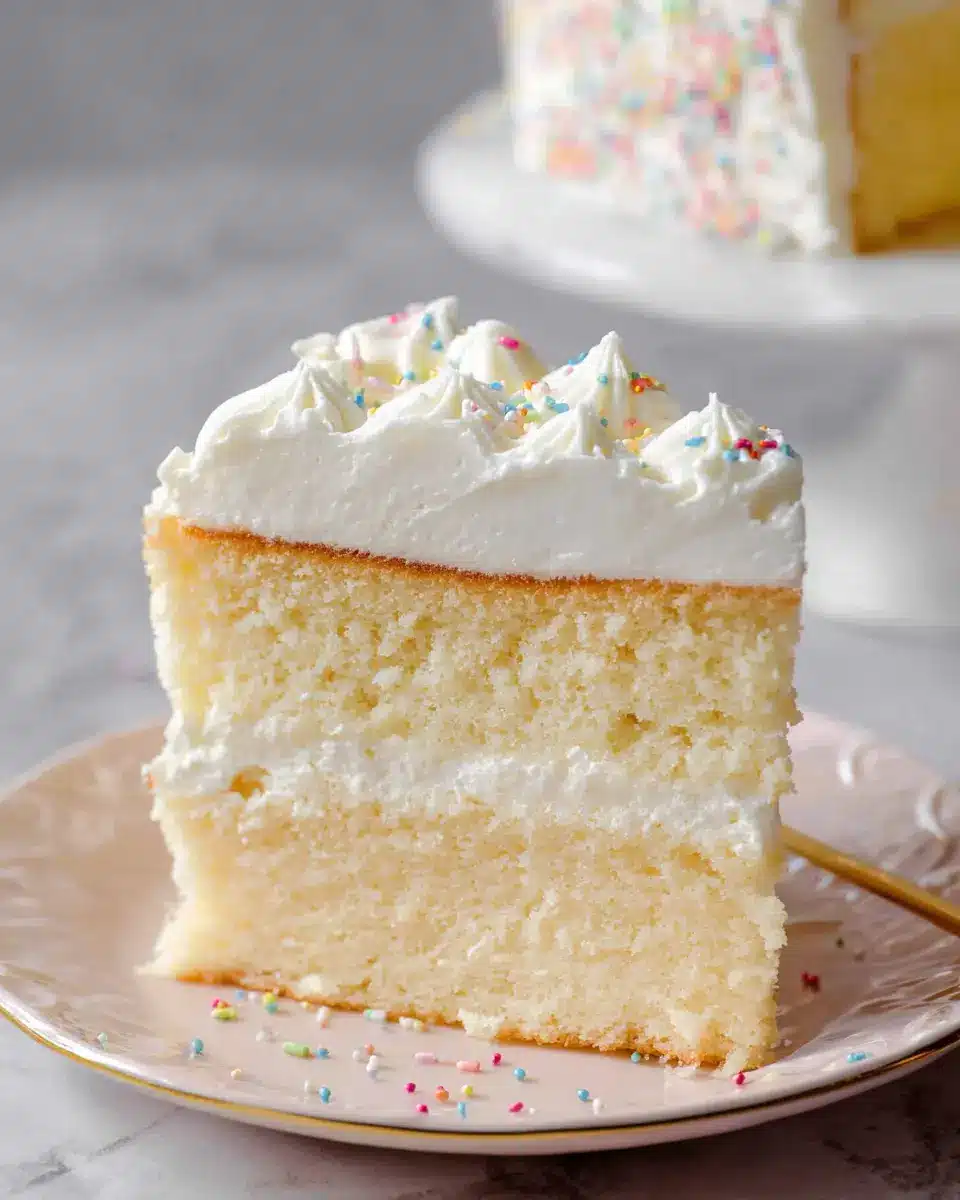
Variations on White Cake Recipe
Create Zesty Flavors: Lemon or Almond
Looking to add some personality to your white cake recipe? Why not try a lemon or almond twist! For a zesty lemon cake, simply incorporate the zest of one lemon into the wet ingredients and substitute a bit of the milk with lemon juice. If almond flavor appeals to your palate, increase the almond extract to one teaspoon for an aromatic boost. Both options elevate your cake’s flavor profile and pair beautifully with a light frosting.
Festive Decor and Adaptations
Transforming your cake for special occasions is easy and fun! For birthdays or holidays, consider adding fresh berries, edible flowers, or colorful sprinkles for a festive touch. You can also tint your frosting with food coloring or incorporate seasonal flavors like pumpkin or spices for fall gatherings. If you're preparing for a bridal shower, a naked cake style adorned with fresh fruit and delicate florals creates a stunning centerpiece. The white cake recipe is endlessly customizable, allowing your creativity to shine through during any celebration!
Cooking Tips and Notes for White Cake Recipe
Importance of Room Temperature Ingredients
Using room temperature ingredients is essential for your white cake recipe. When butter, eggs, and milk are at room temperature, they blend together more smoothly, producing a lighter, fluffier batter. This simple step can truly make or break your cake's texture. Take a few minutes before you begin to set out your ingredients and watch as your cake turns out heavenly!
Tips for Achieving the Perfect Frosting Consistency
Achieving that dreamy frosting consistency is all about gradual mixing! Start with softened unsalted butter and add the confectioners’ sugar slowly. This prevents lumps and helps your frosting turn creamy and smooth. If you need a bit more flow, don’t hesitate to add milk 1 tablespoon at a time. The result? Perfectly spreadable frosting that enhances your white cake like a pro! Want more guidance? Check out this frosting consistency guide.
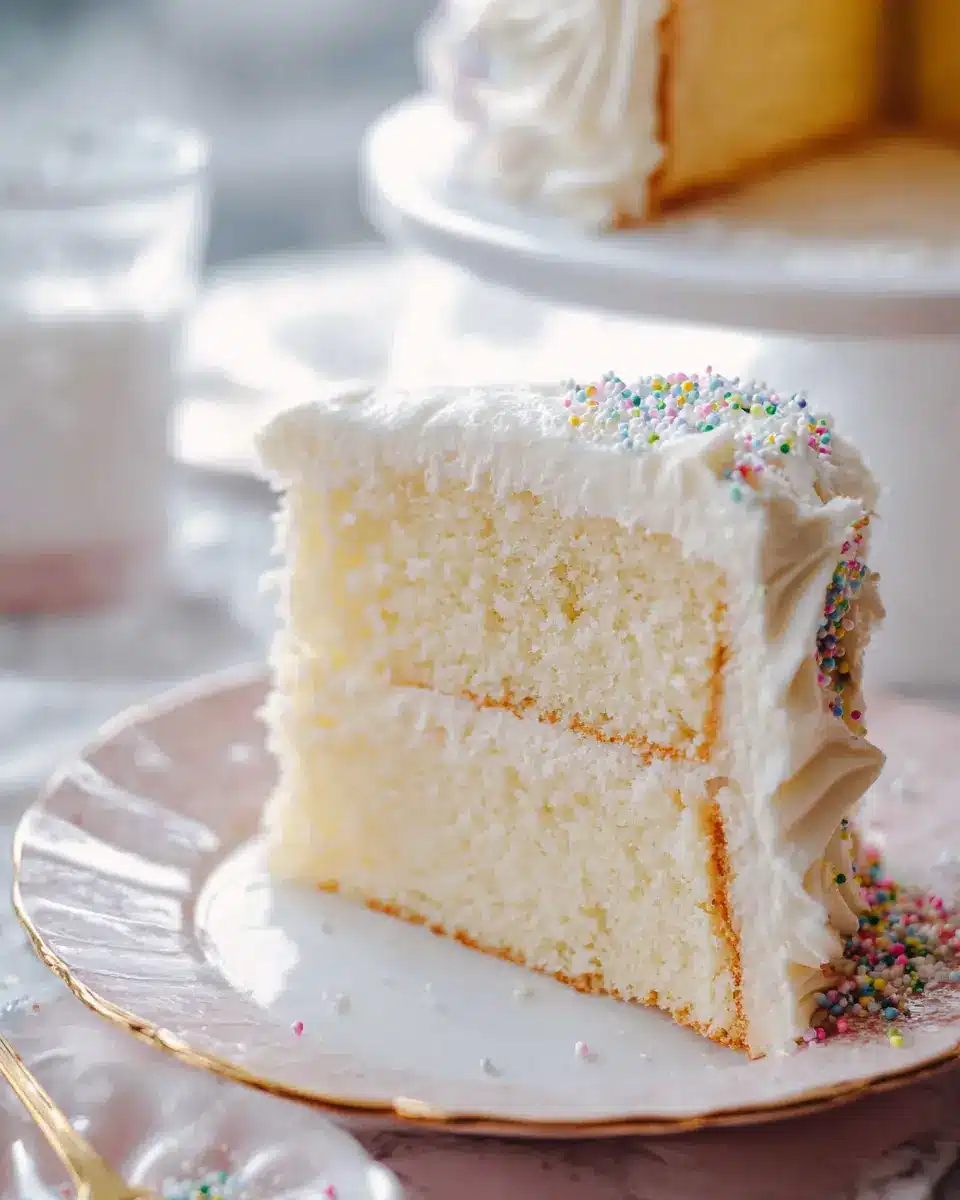
Serving Suggestions for White Cake Recipe
Pairing with Fruits or Flavored Syrups
Elevate your white cake recipe by pairing it with fresh fruits or flavored syrups. Seasonal berries, like strawberries and blueberries, add a burst of color and flavor. You can also drizzle a homemade raspberry or peach syrup for a sweet and tangy touch. If you're in the mood for something bright, a citrus glaze made with lemon or orange juice can be a delightful contrast to the cake’s sweetness.
Options for Cake Presentation and Decoration
Presentation is key when serving your cake! Try a simple yet elegant approach by dusting the top with powdered sugar or adding a swirl of frosting. Fresh flowers, such as edible pansies or daisies, can bring a beautiful touch. For a more festive feel, consider adding sprinkles or chocolate shavings. Don't forget to use a cake stand to elevate its charm! Check out this guide for tips on stunning cake decoration techniques.
Time Breakdown for White Cake Recipe
Preparation time
Get started with just 25 minutes of preparation. This is when you'll measure your ingredients and mix the batter. Be sure to gather everything you need for a smooth process!
Baking time
The cakes will need 35 to 40 minutes in the oven. Keep an eye on them, as the perfect bake will have a springy center!
Total time
In total, you’re looking at 1 hour to create this delightful white cake. This includes preparation and baking, leading to a delicious dessert that’s ready to impress!
For tips on ensuring your layers are perfectly flat, check out my tutorial on how to get perfect flat layer cakes. Happy baking!
Nutritional Facts for White Cake Recipe
When indulging in this delightful white cake recipe, it’s helpful to know what you're enjoying. Here’s a quick nutritional breakdown:
Calories
Each slice of this scrumptious cake contains approximately 800 calories, perfect for satisfying your sweet tooth.
Carbohydrates
You’ll find about 108 grams of carbohydrates per serving, providing the energy boost you need for a long day.
Protein
This cake offers around 6 grams of protein, making it a tasty treat to enjoy while also fueling your body!
For more insights on making healthier dessert choices, check out Healthline's Nutrition Section for a wealth of information. Now, let’s dive into creating this heavenly cake!
FAQs about White Cake Recipe
Can I substitute ingredients in the white cake recipe?
Absolutely! You can make several substitutions without sacrificing flavor. If you're short on all-purpose flour, you can use cake flour for an even lighter texture. Unsalted butter can be swapped with a vegetable oil or a non-dairy butter substitute. For a twist, try using coconut milk instead of whole milk or substitute one egg white with a flaxseed meal to make it vegan-friendly. Just note that these changes may slightly affect texture and taste.
What are the best storage methods for white cake?
To keep your delicious white cake fresh, store it in an airtight container at room temperature for up to three days. If you plan to keep it longer, wrap it tightly in plastic wrap and place it in the freezer, where it can stay good for up to a month. Just remember to let it thaw in the fridge overnight before serving for the best taste and texture!
How do I prevent my cake from sinking in the middle?
Avoiding a sunken cake can be tricky, but there are effective strategies! First, ensure all ingredients are at room temperature before mixing. Overmixing can also lead to a dense cake, so mix until just combined. Lastly, check the oven temperature with a thermometer; baking at the right temperature ensures an even bake. Implementing these tips will help create a beautiful and flat cake layer.
Conclusion on White Cake Recipe
This white cake recipe is a classic that delivers delightful flavors and a moist texture every time. Perfect for celebrations or a cozy dessert, it's easy to customize! Whether you keep it simple or add a personal touch, this cake is sure to impress friends and family. Enjoy baking!
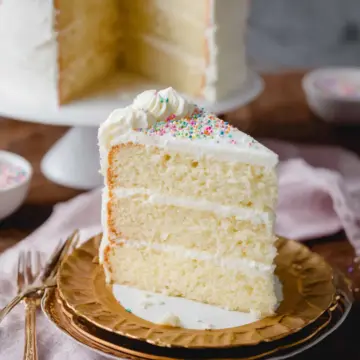
White Cake Recipe
Equipment
- Mixing Bowls
- Electric hand mixer or stand mixer
Ingredients
For the Cake
- 3 cups all-purpose flour (360g)
- 2 teaspoons baking powder
- ¾ teaspoon salt
- 2 cups granulated sugar (400g)
- 1 cup unsalted butter softened (227g)
- 2 teaspoons vanilla extract
- ½ teaspoon almond extract (optional)
- 1 cup whole milk room temperature (240ml)
- 5 large egg whites room temperature
For the Vanilla Buttercream
- 1½ cups unsalted butter room temperature (340g)
- ½ teaspoon salt
- 5 cups confectioner's sugar (600g)
- 2 teaspoons vanilla extract
- 1 - 4 tablespoons whole milk
Instructions
For the Cake
- Preheat oven to 350°F. Lightly grease two 8-inch round pans with baking spray or butter and flour, then line the bottoms with parchment paper.
- In a medium bowl, whisk together the flour, baking powder, and salt. Set aside.
- In a large mixing bowl with a hand mixer or stand mixer fitted with the paddle attachment, beat the butter on medium speed until creamy, about 30 seconds. Add the sugar and beat until light and fluffy, about 3 minutes.
- Add the egg whites, one at a time, mixing until incorporated well before adding the next. Stop and scrape the bowl down occasionally. Add the extracts and beat until fluffy, about 30 seconds.
- With the mixer on low, add a third of the flour mixture followed by half of the milk. Repeat with another third of the flour, the remaining milk, finally ending with the remaining flour. Scrape down the bowl and ensure the batter is well mixed. Divide the batter among the prepared cake pans.
- Bake for 35 to 40 minutes or until the centers spring back when gently pressed. Let the cakes cool completely in the pans set on wire cooling racks. Once cooled, invert the cakes onto the racks and remove the parchment paper.
For the Frosting
- In a large mixing bowl with a hand mixer or stand mixer fitted with the paddle attachment, beat the butter and salt on medium speed until very soft and smooth, about 2 minutes.
- With the mixer on low speed, gradually add in the confectioners’ sugar. Scrape the bowl down occasionally. Beat in the vanilla. Slowly beat in 1 tablespoon of milk and continue beating on medium-low speed adding more milk as needed until the texture is smooth and fluffy, about 2 to 3 minutes.
For the Assembly
- Place one cool cake layer top-side up on a cake stand. Spread 1 cup of frosting over the top of the cake all the way to the edge. Top with the other cake layer, placing it bottom-side up.
- Spread the remaining frosting all over the top and sides of the cake. If desired, you can reserve ½ cup of frosting to pipe decoration onto the cake.
Leave a Reply