
Introduction to Gluten Free Pizza Dough
When it comes to pizza night, the crust is everything! For those of us navigating gluten sensitivities or celiac disease, traditional pizza crusts can be a challenge. Thankfully, gluten free pizza dough is a game-changer that lets everyone enjoy this beloved dish without the worry.
Why is it so revolutionary? First, this easy-to-make dough is perfect for satisfying cravings without sacrificing texture or taste. You’ll find that it’s just as chewy and flavorful as its gluten-filled counterparts. Plus, it requires no kneading—making it accessible for both novice cooks and busy foodies.
Not to mention, having a versatile gluten free pizza dough on hand means you can whip up dinner quickly, whether you want to indulge in a classic margherita or get creative with toppings like turkey bacon and chicken ham. Freezing leftover dough is also a breeze, offering you the luxury of spontaneous pizza nights.
If you've ever struggled to find a gluten-free option that doesn’t leave you feeling deprived, you're not alone. Many are discovering how easy it can be to create homemade pizza that suits their dietary needs. So roll up your sleeves and get ready to enjoy pizza like never before! For more insights on gluten-free diets, check out Celiac Disease Foundation.
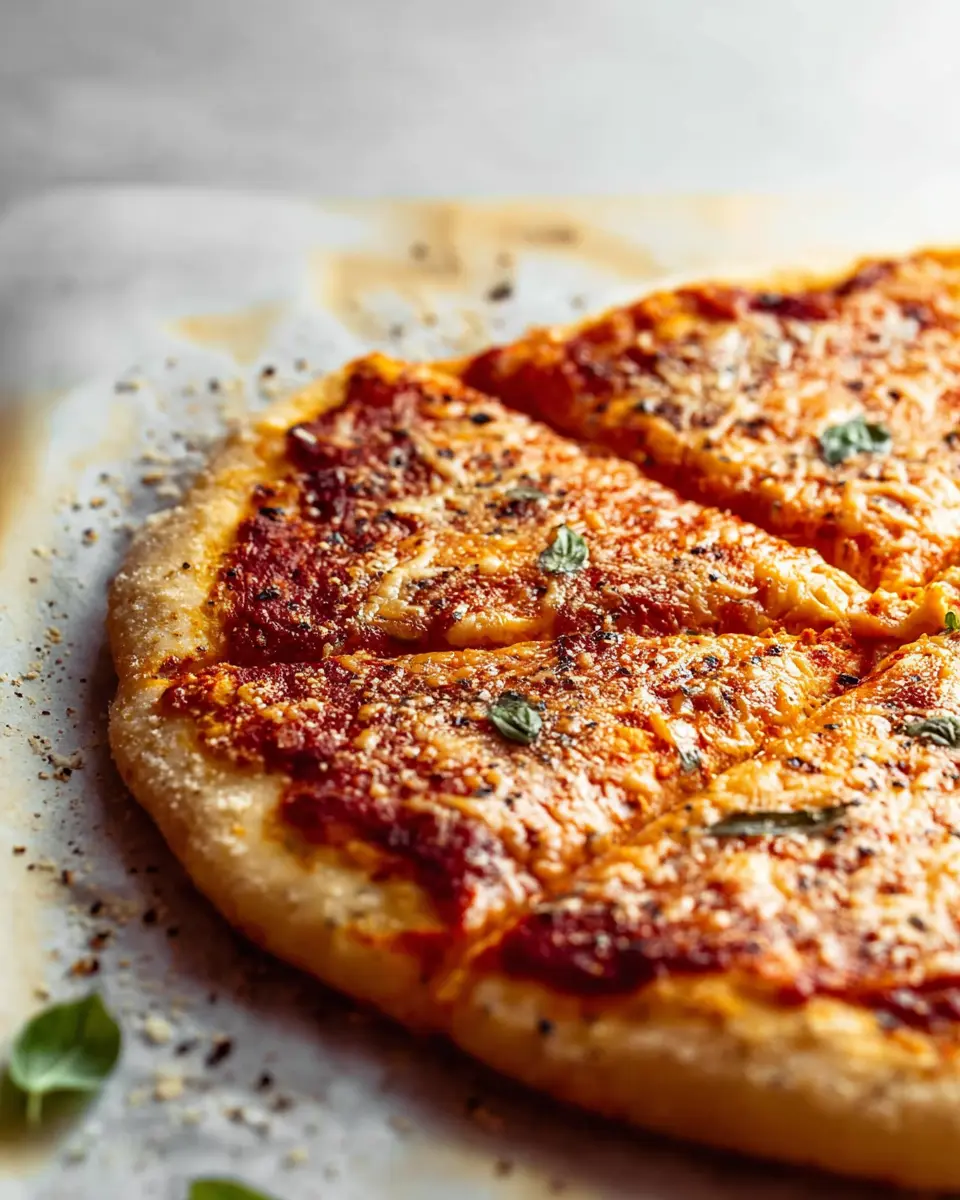
Ingredients for Gluten Free Pizza Dough
Essential ingredients for the perfect crust
Creating a delightful gluten free pizza dough starts with some key ingredients that work harmoniously together. Here’s what you’ll need:
- Instant Yeast: This is vital for that airy, chewy texture.
- Gluten Free All-Purpose Flour: Opt for a blend that includes xanthan gum, as it mimics gluten’s elasticity. Brands like Bob's Red Mill are highly recommended.
- Water: Warm water activates the yeast, giving your dough the perfect rise.
- Olive Oil & Vinegar: These add moisture and flavor, making your crust beautifully rich.
- Egg: Makes your dough more cohesive and helps with binding.
- Sugar, Salt, and Baking Powder: These enhance flavor and contribute to that desired crust texture.
Substitutions for dietary restrictions
Don’t worry if you have specific dietary needs; this recipe is versatile!
- Sweeteners: Swap sugar for honey if preferred.
- Egg-Free: Use a flax egg (1 tablespoon flaxseed meal + 2.5 tablespoons water) to maintain texture.
- Dairy-Free: Ensure your olive oil is your main fat or opt for coconut oil for a unique flavor.
Feel free to explore and adjust these ingredients to create your own perfect crust!
Step-by-Step Preparation of Gluten Free Pizza Dough
Making gluten free pizza dough at home is easier than you might think! With just a few simple steps, you can whip up a delicious crust that’s sure to impress. Let's walk through the process together.
Activating the yeast
Start by ensuring your yeast is lively and ready to work its magic. Microwave ¾ cup + 2 tablespoons of water for about 30 seconds, aiming for a temperature between 110°F and 115°F—too hot and you’ll kill the yeast, too cool and it won’t activate properly. Once it’s warm, stir in 1 tablespoon of white sugar and 1 packet of instant yeast. Let this mixture sit for about 5 minutes until it becomes foamy. This step is crucial as it shows the yeast is active, which will help your dough rise effectively! Need more tips on yeast activation? Check out this guide.
Mixing dry ingredients
While the yeast is bubbling away, whisk together your 2 ½ cups of gluten free all-purpose baking flour, 1 teaspoon of salt, and 1 teaspoon of baking powder in a separate bowl. It’s essential to use a gluten-free flour blend that contains xanthan gum for the best texture. This combination contributes to a lighter and airier crust. If you're new to gluten-free baking, consider exploring options like Bob's Red Mill 1:1 Baking Flour, which I highly recommend!
Forming the gluten free dough
Now that your yeast is activated, it’s time to bring everything together. In your dry ingredients bowl, mix in 5 tablespoons of olive oil, 1 egg, 1 teaspoon of vinegar (either white or apple cider), and your water/yeast mixture. Stir it all together with a wooden spoon or a rubber spatula until it forms a sticky dough. Don’t worry if it seems a bit tacky; that’s normal for gluten free pizza dough!
Allowing the dough to rise
Cover the bowl with plastic wrap and a clean kitchen towel, then place it in a warm area to rise for about 1 hour. This step is vital for developing flavor and texture, so don’t rush it! I like to put the bowl in the oven (turned off) for a warm, draft-free environment.
Rolling out the dough
Once your dough has risen, preheat your oven to 425°F. After the hour is up, refrigerate the dough for about 15 minutes to make it easier to handle. Transfer it to a floured piece of parchment paper and knead in just enough gluten-free flour (around 1-2 tablespoons) to shape it into a smooth ball. This helps reduce stickiness without making the dough too dry. Using a floured rolling pin, roll it out into a 12-inch circle. Don’t stress about perfection; rustic edges add character!
And there you have it! With just these simple steps, you're on your way to crafting a delightful gluten free pizza that’s perfect for any occasion. Ready to save this recipe for later? Make sure to bookmark it!
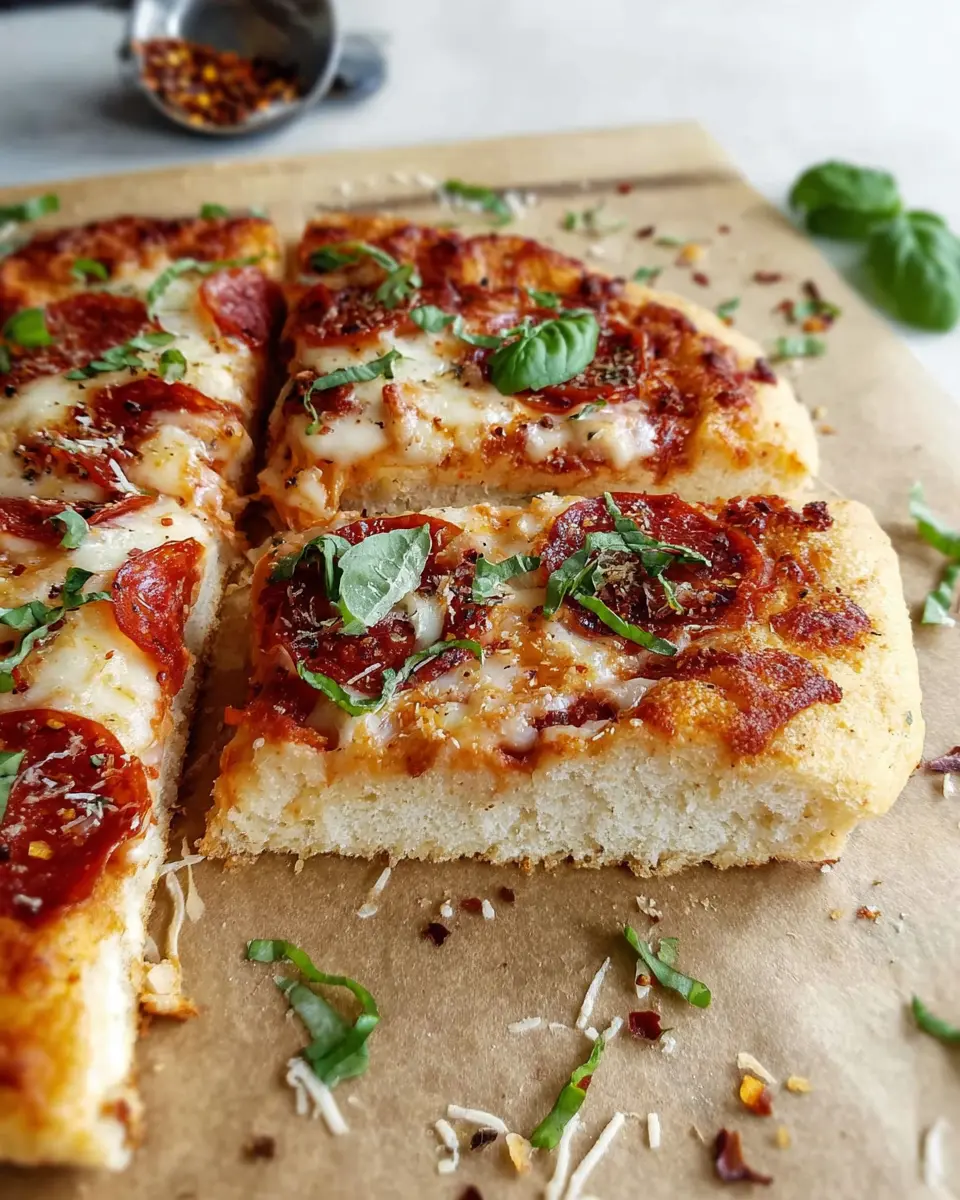
Variations of Gluten Free Pizza Dough
Adding herbs for extra flavor
Enhance your gluten free pizza dough by incorporating fresh or dried herbs. Ingredients like oregano, basil, or rosemary can elevate the taste profile, making your pizza truly unique. Just mix in about a tablespoon or two of your chosen herbs with the dry ingredients for a fragrant and flavorful base. This simple addition will impress your friends and family!
Experimenting with different flour blends
Don’t hesitate to play around with your flour choices! While a gluten free all-purpose blend is great, experimenting with alternative flours like almond, coconut, or chickpea can introduce new textures and flavors to your gluten free pizza dough. Each flour provides its own benefits, such as added protein or fiber, so find a combination that suits your taste and dietary needs. For more tips, check out King Arthur Baking.
Cooking Tips and Notes for Gluten Free Pizza Dough
Common mistakes to avoid
When making gluten free pizza dough, one of the biggest pitfalls is adding too much flour. Remember, the dough should be slightly sticky. If you find it's too wet, add flour gradually until it just comes together. Also, don’t skip the proofing time! This is crucial for flavor and the final texture.
Tips for achieving the right texture
To ensure your gluten free pizza dough is perfectly chewy, use a good-quality gluten free flour that contains xanthan gum, as this helps bind the ingredients. Letting your dough rest in the fridge for 15 minutes before rolling out can make a world of difference, making it easier to handle. A little olive oil on your hands can also help prevent sticking.
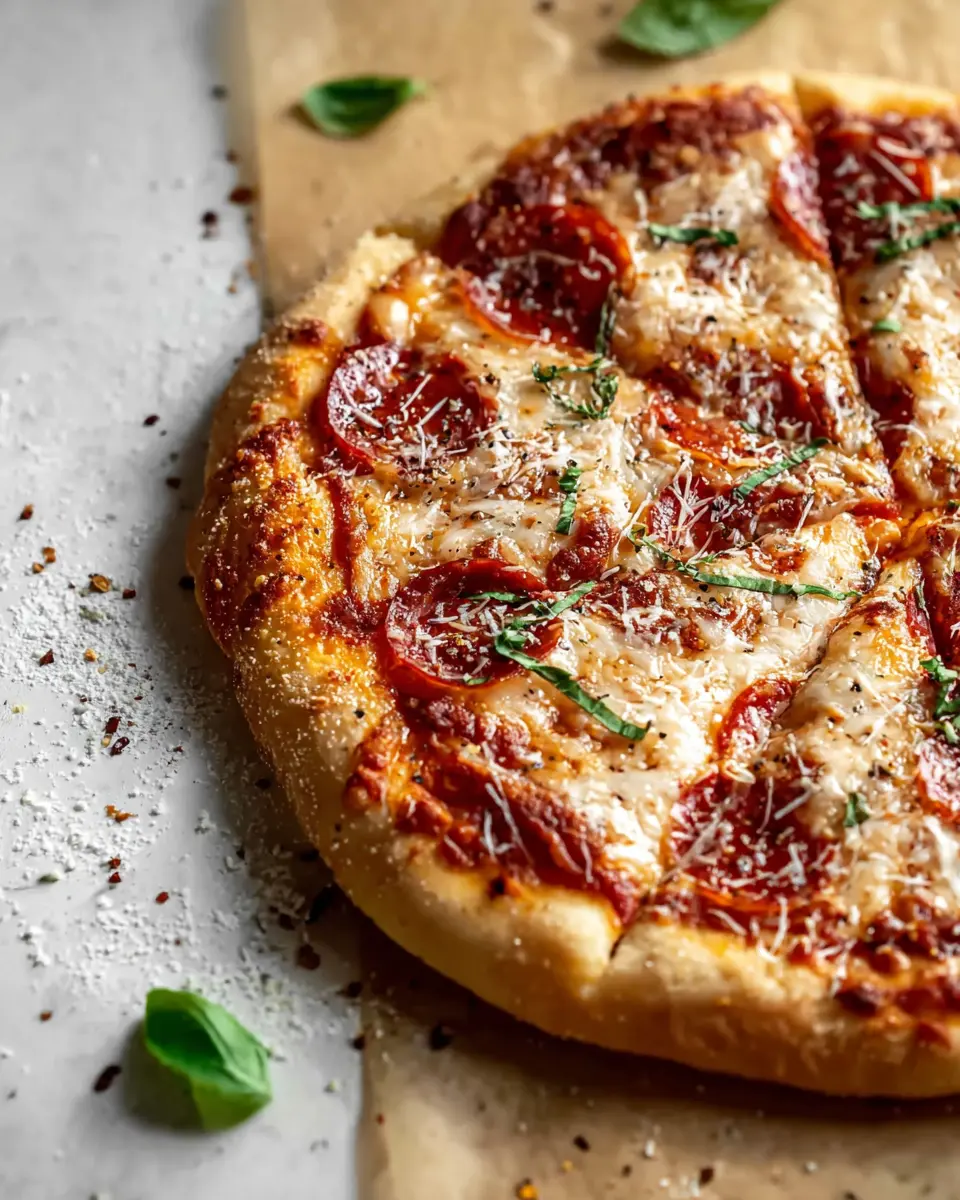
Serving Suggestions for Gluten Free Pizza Dough
Favorite Toppings Combinations
When it comes to making the best gluten free pizza dough, the toppings can truly elevate your experience. Here are some delicious combinations to consider:
- Classic Margherita: Fresh tomatoes, basil, mozzarella, and a drizzle of olive oil.
- BBQ Chicken: Chicken ham, BBQ sauce, red onions, and cilantro.
- Veggie Delight: Bell peppers, mushrooms, spinach, and a sprinkle of feta cheese.
- Buffalo Turkey Bacon: Spicy buffalo sauce, turkey bacon, mozzarella, and a side of ranch for dipping.
Pairing Ideas for a Complete Meal
To complement your gluten free pizza, think about these side dishes:
- Simple Green Salad: Toss together mixed greens, cherry tomatoes, and a lemon vinaigrette for a refreshing crunch.
- Garlic Breadsticks: Use the leftover dough, spread with garlic butter, and bake till golden.
- Creamy Soup: A bowl of tomato or butternut squash soup makes for a cozy pairing.
With these suggestions, your pizza night is sure to be a hit! Enjoy creating your culinary masterpiece with this versatile gluten free pizza dough.
Time Breakdown for Gluten Free Pizza Dough
Getting down to the nitty-gritty of gluten free pizza dough preparation? Here’s how your time will be spent:
-
Preparation Time: 15 minutes
This is all about mixing your ingredients and getting things ready. Quick and straightforward! -
Rising Time: 1 hour
This is where the magic happens! Let the dough rest until it rises and develops that perfect texture. -
Baking Time: 30 minutes
You’ll be rewarded for your patience with a pizza crust that’s crispy on the outside and chewy on the inside. -
Total Time: 1 hour 45 minutes
From start to finish, you’re looking at a time investment that’s totally worth it!
Now, let's get to baking! If you're curious about the overall process or eager for tips, head over to this article on perfecting pizza at home.
Nutritional Facts for Gluten Free Pizza Dough
Calories per slice
Each slice of this delicious gluten free pizza dough contains approximately 188 calories. Perfect for a satisfying meal without going overboard!
Carbohydrates
You’ll find about 28 grams of carbohydrates in every slice. This is quite balanced, especially for a pizza dough, allowing you to enjoy your meal while keeping carbs in check.
Protein content
This gluten free pizza dough packs around 5 grams of protein per slice. It may not replace your protein shake, but every bit helps in reaching your daily intake!
For more detailed nutrition insights, consider checking resources like the USDA FoodData Central for comprehensive food breakdowns! Enjoy your cooking adventure!
FAQs about Gluten Free Pizza Dough
Can I use regular flour instead?
Using regular flour in your gluten free pizza dough recipe is not advisable if you're aiming for a gluten-free option. Traditional flour contains gluten, which is essential for the dough's structure. Instead, opt for a gluten-free all-purpose flour blend that includes xanthan gum, ensuring you achieve that perfect chewy texture without compromising your dietary needs.
How to store leftover dough?
If you have extra dough, you can store it easily! Wrap it tightly in plastic wrap or place it in an airtight container. Refrigerate for up to 5 days. For longer storage, freeze the dough. Just remember to thaw it in the fridge overnight before using it again!
What can I use instead of egg in the recipe?
If you're looking for an egg substitute in your gluten free pizza dough, several options work well! Use a flaxseed meal (1 tablespoon of meal mixed with 2.5 tablespoons of water), unsweetened applesauce (¼ cup), or a commercial egg replacer. These alternatives will keep your dough moist and bind it effectively.
Explore more about gluten-free baking techniques at Gluten Free Living.
Conclusion on Gluten Free Pizza Dough
Making your own gluten free pizza dough at home brings a delightful blend of flavor, texture, and customizability. You can experiment with toppings, control the quality of ingredients, and enjoy a fresh, warm pizza straight from your oven. Plus, it’s a fun way to engage with friends or family during a cozy night in!
The Benefits of Making Your Own Pizza at Home
Creating your own pizza allows for endless possibilities. Here are a few benefits to consider:
- Control Over Ingredients: You can ensure everything is gluten-free and free from unnecessary additives or preservatives.
- Customization: Tailor your crust thickness and choose your favorite toppings, from fresh vegetables to turkey bacon or chicken ham.
- Cost-Effective: Making pizza at home can often be more affordable than ordering out, especially when feeding a group.
- Fun Activity: Enjoying a night of pizza-making can be a great bonding experience with friends or family.
By preparing this gluten free pizza dough, you’re not only opting for a delicious meal but also embracing the joy of home cooking. Check out more about pizza-making on NPR, or explore additional recipes!
Gluten Free Pizza Dough
Equipment
- microwave
- oven
- mixing bowl
- Wooden spoon or spatula
- rolling pin
- Parchment paper
Ingredients
- 1 packet instant yeast
- ¾ cup water plus 2 tablespoons
- 1 tablespoon white sugar or honey as substitute
- 2.5 cups gluten free all purpose baking flour with xanthan gum
- 1 teaspoon salt
- 1 teaspoon baking powder
- 5 tablespoons olive oil
- 1 large egg
- 1 teaspoon vinegar white or apple cider
Instructions
- Microwave the water for about 30 seconds or until it reaches 110-115 degrees Fahrenheit.
- Mix in the sugar and one packet of yeast, stir together and let sit for 5 minutes.
- Whisk together the flour, baking powder and salt. Add in the whisked egg, vinegar, olive oil and water/yeast mixture.
- Mix together with a wooden spoon or rubber spatula until a dough forms. It will likely be a bit sticky.
- Cover with plastic wrap then cover with a towel and let sit in a warm place for 1 hour to rise.
- After 1 hour, preheat the oven to 425 and let the dough sit in the fridge for 15 minutes.
- Add the dough to a floured piece of parchment paper and knead in 1-2 more tablespoons of flour until it forms into a smooth ball.
- Use a floured rolling pin and roll into a roughly 12 inch circle.
- Generously brush the top of the crust with olive oil and bake for 12 minutes.
- Remove from the oven, add sauce and any desired toppings and bake an additional 8-12 minutes.
- Remove from the oven and let cool for a few minutes, then slice and enjoy!



Leave a Reply