
Introduction to Mango Sticky Rice
When it comes to Thai desserts, mango sticky rice stands out as a true gem. This delightful dish, both visually stunning and deliciously satisfying, has captured the hearts (and taste buds) of many around the world. The combination of creamy, subtly sweet sticky rice infused with coconut milk, paired with luscious, ripe mango slices, makes it a perfect treat for any occasion. Whether enjoyed at street markets in Thailand or savored at home, this dessert embodies a celebration of flavors that reflect the country's vibrant culinary culture.
What makes mango sticky rice a beloved dessert? One reason is its simplicity. With just a few ingredients—sticky rice, coconut milk, sugar, and fresh mango—it showcases the beauty of using high-quality, fresh produce. According to experts, desserts like this remind us of nature's gift and the joys of simplicity in cooking. Additionally, it caters to dietary restrictions as it is gluten-free, lactose-free, and vegan, making it an accessible choice for everyone.
The dish’s blend of textures—the soft, warm rice and the cool, juicy mango—offers a harmonious contrast that keeps you coming back for more. If you’ve yet to try this iconic dessert, you're in for a treat. Armed with our easy recipe, you'll be impressing friends and family in no time!
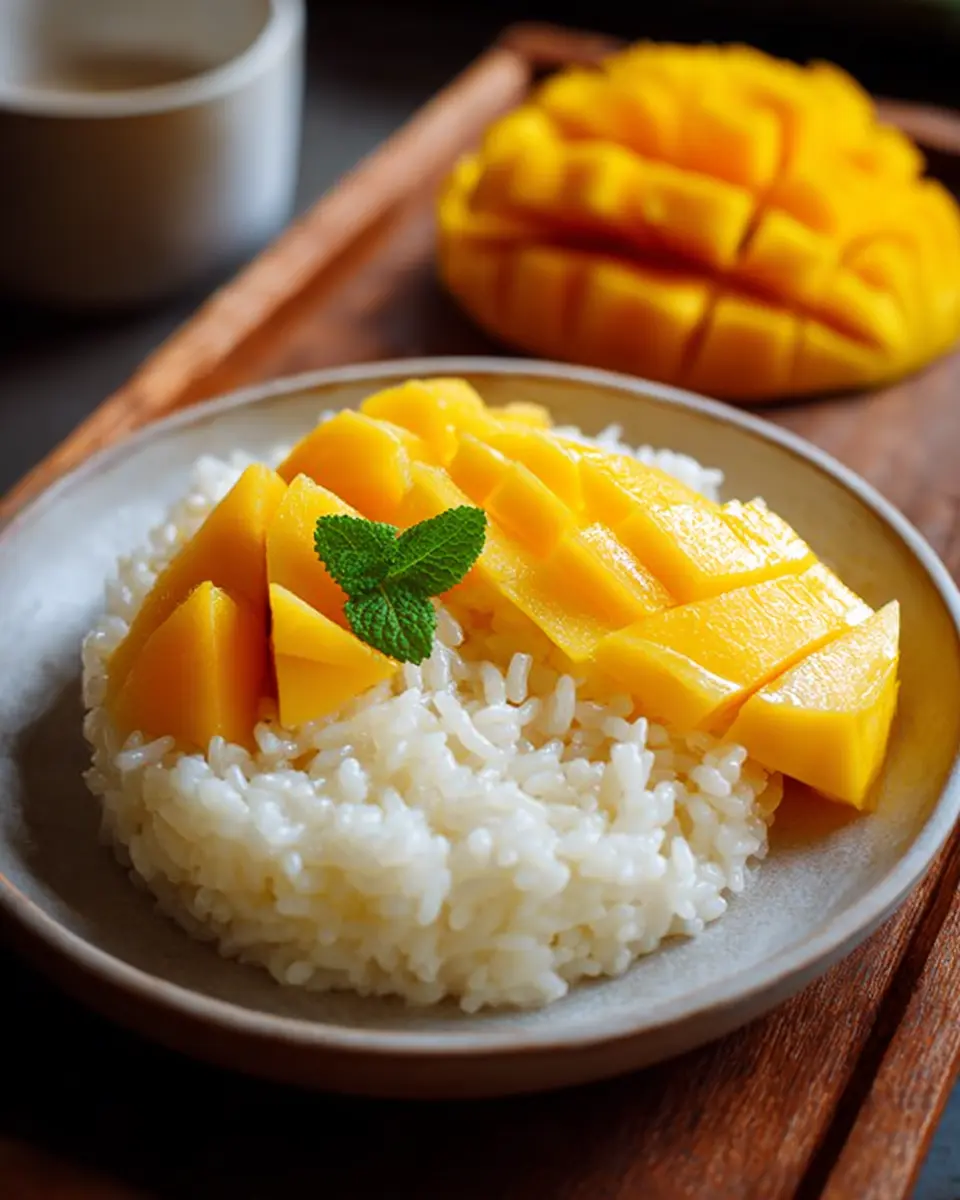
Ingredients for Mango Sticky Rice
Creating a delectable mango sticky rice involves carefully selecting the right ingredients to ensure the best flavors and textures. Let’s dive into what you’ll need!
Essential ingredients for the perfect sticky rice
-
Sticky rice (200 g): Known for its glutinous nature, this rice is key for achieving that creamy texture. Look for organic options for the best quality. Check out this sticky rice for a reliable source.
-
Coconut milk (280 ml): A rich and creamy coconut milk enhances the dish’s flavor. Opt for organic varieties like this bio coconut milk for an authentic taste.
-
Sugar (80 g): This sweetener harmonizes beautifully with the coconut and mango, balancing the natural flavors.
Choosing ripe mangos for the best flavor
Your mango sticky rice will shine brightest with perfectly ripe mangos. Look for fruits that are slightly soft to the touch and have a vibrant color. A hint of sweetness in their aroma is a sure sign they’re ready to be enjoyed. Popular varieties, like the Ataulfo or Haden, pack an incredible sweetness and smooth texture that elevate the dish to the next level. Judging a mango can be tricky, but remember: a perfectly ripe mango is your golden ticket to that authentic Thai experience!
Step-by-Step Preparation of Mango Sticky Rice
Creating mango sticky rice at home is easier than you might think! This beloved Thai dessert combines the sweetness of ripe mango with creamy coconut-infused sticky rice. Follow these simple steps to indulge in this delightful treat.
Preparing the sticky rice
Start with high-quality sticky rice, which you can find at your local Asian grocery store or online. Rinse 200 grams of the rice under cold water until the water runs clear. This removes excess starch, resulting in a silkier texture. Once rinsed, soak the rice in warm water for at least three hours—or better yet, overnight if you have the time. Soaking not only softens the grains but also helps achieve that fantastic sticky texture when cooked.
Cooking the sticky rice
After soaking, drain the rice and prepare to steam it. Use a traditional bamboo steamer or a metal one lined with cheesecloth to prevent the grains from falling through. Steam the rice for approximately 30 minutes over simmering water. Keep it covered during cooking to maintain moisture. The rice should be tender yet firm, retaining just the right amount of chewiness that makes mango sticky rice so fantastic.
Making the coconut sauce
While the rice is steaming, it’s time to whip up the luscious coconut sauce that will elevate your dessert. In a saucepan, combine 280 ml of coconut milk (preferably organic for the best flavor) with 80 grams of sugar. Heat this mixture over low heat, stirring gently until the sugar is fully dissolved. Be careful not to let it boil, as that can ruin the creamy texture of the sauce. The key here is to create a silky-smooth, sweet topping that beautifully complements the sticky rice.
Combining the rice and sauce
Once the rice is done, transfer it to a mixing bowl and gradually pour in about half of the coconut sauce. Gently fold the rice to coat it evenly with the sauce while allowing it to absorb the flavors. After mixing, let it sit for another 10 minutes. This resting period is crucial as it allows the rice to soak up the rich coconut flavor, ensuring each bite is heavenly.
Plating with fresh mango
To finish off your mango sticky rice, slice up some ripe mangoes. The juiciness of fresh mango slices will add a vibrant contrast to the creamy coconut rice. Serve a generous portion of the sticky rice alongside the mango on a plate, and drizzle the remaining coconut sauce over the top for an extra touch of indulgence. Don’t forget to share or enjoy this amazing dessert on your own—either way, it’s sure to impress!
Happy cooking! Let me know how yours turns out or if you try any variations!
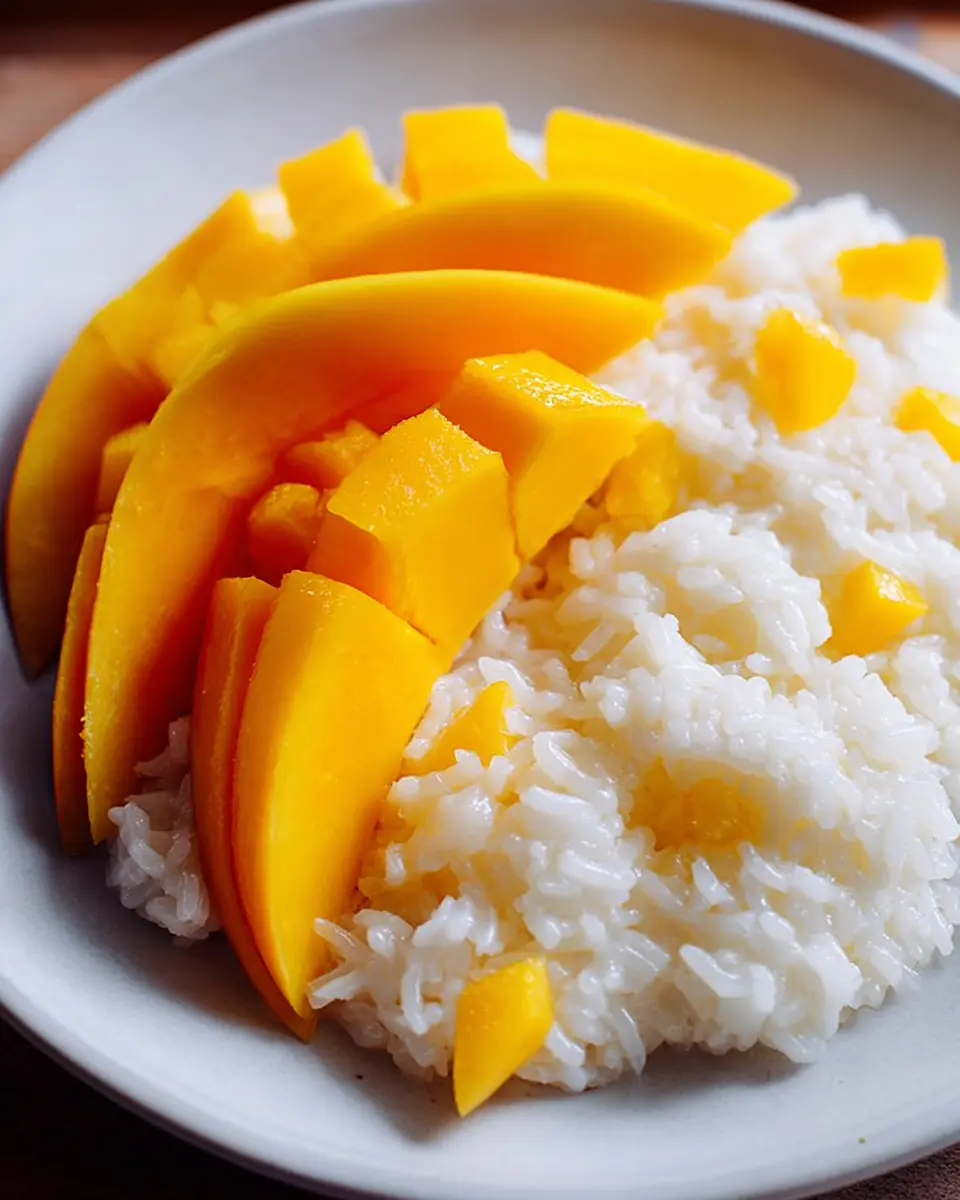
Variations of Mango Sticky Rice
Mango Sticky Rice with Seasonal Fruits
Why not switch things up a bit? While the classic version with ripe mangoes is delicious, exploring fresh seasonal fruits can elevate your mango sticky rice experience. Imagine swapping mangoes for juicy pears, viral peaches, or vibrant berries. Each fruit brings its unique flavor and texture, turning this traditional dessert into a delightful twist that reflects what’s in season.
Vegan-Friendly Toppings for Extra Flavor
Looking to add a burst of flavor to your mango sticky rice? Consider some creative, vegan-friendly toppings! Crushed nuts like cashews or almonds add a delicious crunch, while a sprinkle of sesame seeds can provide a hint of nuttiness. Also, drizzling with maple syrup or using agave nectar instead of sugar can bring a new depth of sweetness that’s both satisfying and plant-based. Experiment and discover which combinations you love best!
Cooking Tips and Notes for Mango Sticky Rice
Ensuring the perfect sticky texture
Achieving that wonderfully sticky texture in your mango sticky rice is all about the type of rice used and the soaking process. Use glutinous rice, which is crucial for that authentic flavor and consistency. Soak it for at least 3 hours, or even overnight if time allows. This ensures the rice cooks evenly and absorbs the coconut sauce beautifully. Remember, the longer soaking time helps you achieve that luscious, creamy mouthfeel that’s so beloved in this dessert.
Tips for making the coconut sauce
When preparing the coconut sauce, take your time and keep the heat low. By gently warming the coconut milk and sugar, you’ll prevent it from boiling, which can lead to separation. Stir constantly until the sugar fully dissolves. Adding a pinch of salt can enhance the sweetness and balance the flavors. For an extra touch, consider infusing the sauce with a few pandan leaves for a fragrant twist. You can learn more about using coconut milk in desserts from this source.
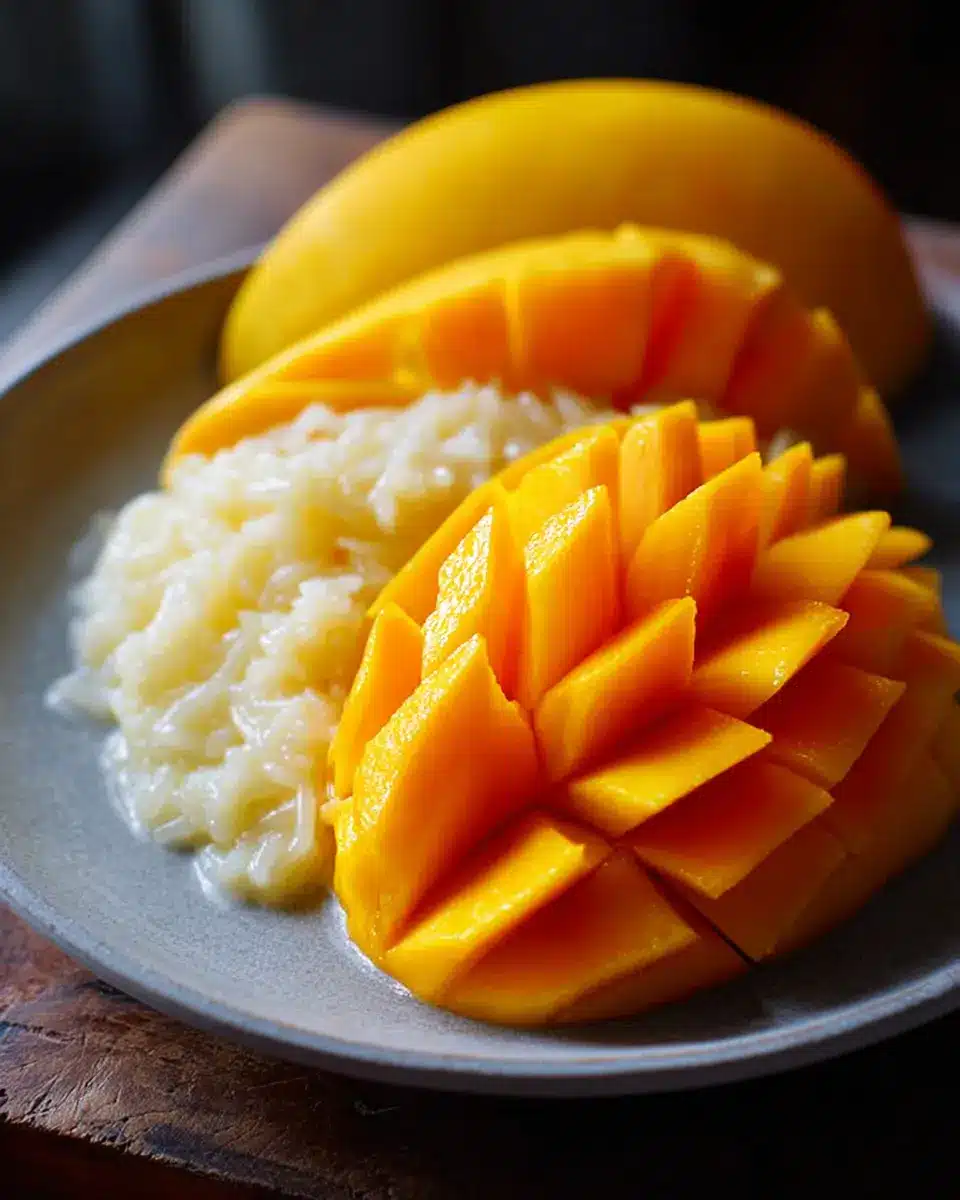
Serving Suggestions for Mango Sticky Rice
Perfect Occasions for This Dessert
Mango sticky rice is a delightful treat that shines at various gatherings. It's a fantastic choice for summer barbecues, birthday parties, or even as a comforting dessert during cozy nights in. Imagine enjoying it under fairy lights with friends, or serving it after a hearty Thai meal—it’s sure to impress! For a touch of elegance, consider serving it at baby showers or bridal showers, adding that exotic flair that guests will adore.
Pairing with Beverages
When it comes to drinks, mango sticky rice pairs beautifully with refreshing beverages. Try serving it alongside a chilled coconut water or a fruity iced tea to complement the dessert's creaminess. For a fun twist, you could offer a homemade ginger lemonade that balances sweetness with a zing. Pairing these drinks not only enhances the overall experience but keeps the tropical vibes alive! For some ideas on perfect refreshers, check out this guide on non-alcoholic drinks.
Time Breakdown for Mango Sticky Rice
Preparation time
The prep for your mango sticky rice is quick and simple. Just gather your ingredients and spend about 10 minutes soaking the sticky rice to ensure a perfect texture.
Cooking time
The cooking process takes 40 minutes, which includes steaming the rice and warming the coconut milk for that creamy flavor infusion.
Total time
In total, you're looking at 50 minutes for this delightful dessert, ready to impress your guests with a taste of Thailand right at home!
Nutritional Facts for Mango Sticky Rice
Calories per serving
A single serving of mango sticky rice contains approximately 442 calories. While this may seem indulgent, the balance of flavors and textures makes it a unique treat worth savoring in moderation.
Plant-based benefits of the ingredients
The main ingredients—sticky rice, coconut milk, and ripe mango—offer significant plant-based benefits:
- Sticky rice is a gluten-free grain, providing a satisfying texture without the gluten concerns associated with many traditional desserts.
- Coconut milk adds healthy fats, promoting heart health and providing energy without dairy. It's a great alternative for those adhering to plant-based diets.
- Mango is rich in vitamins A and C, offering antioxidants that support skin health and boost immunity.
Indulging in mango sticky rice not only satisfies your sweet tooth but also incorporates wholesome ingredients that contribute positively to your diet. For more information on the health benefits of mangoes, check out Healthline's guide to mango nutrition.
Enjoy every delicious bite of this classic Thai dessert while nurturing your body with nature’s goodness!
FAQ about Mango Sticky Rice
Can I prepare mango sticky rice in advance?
Absolutely! You can make mango sticky rice a day ahead of time. Simply follow the preparation steps, but store the rice and coconut sauce separately in airtight containers in the refrigerator. When you're ready to serve, gently reheat the sticky rice and warm the coconut sauce while avoiding boiling. Pair it with your fresh mango slices, and you’re all set!
What are some common mistakes to avoid?
When making mango sticky rice, a few pitfalls to watch out for include:
- Not soaking the sticky rice long enough; aim for at least 3 hours.
- Overcooking the rice during steaming, leading to a mushy texture.
- Forgetting to adjust the sweetness of the coconut sauce to your preference, which can overpower the dish.
How can I make it less sweet?
If you prefer a less sweet version of mango sticky rice, simply reduce the amount of sugar in the coconut sauce. Start with 50 grams and taste as you go. You can also balance it out by adding a pinch of salt to enhance the flavors. Experiment until you find the perfect level of sweetness that suits your palate!
For more tips on desserts, check out our profiles on food blogs and cooking forums where home chefs share their tricks!
Conclusion on Mango Sticky Rice
Mango sticky rice is a delightful dessert that effortlessly combines the creaminess of sticky rice with the refreshing taste of ripe mangoes. This simple yet rewarding dish is perfect for any occasion. Serve it warm or chilled, and enjoy a taste of Thailand right at home.
Mango sticky rice
Equipment
- Steamer
- saucepan
Ingredients
Main Ingredients
- 200 g Sticky rice Organic
- 280 ml Coconut milk Organic from the jungle
- 80 g Sugar
- Ripe mangoes
Instructions
Instructions
- The day before: rinse the rice and soak it in warm water (minimum 3 hours).
- Drain the rice and steam it covered for 30 minutes.
- While steaming, heat the coconut milk and sugar on low heat, stirring without boiling.
- Once the sugar has dissolved, mix the rice into the warm sauce. Stir and let absorb for 10 minutes.
- Gently stir and let rest for another 10 minutes until the rice is sticky.
- Serve warm with slices of juicy mango.




Leave a Reply